Liquid Magnesium Chloride: Denver’s Winter Deicer and Its Impact on Your Car
Winter in the Denver area brings snow, ice, and freezing temperatures, making road safety a top priority for city officials. One of the most common solutions for maintaining safe road conditions is liquid magnesium chloride, a deicer frequently used on highways, city streets, and mountain roads. While this chemical solution effectively melts ice and prevents dangerous driving conditions, it poses a significant threat to vehicles. Over time, liquid magnesium chloride can cause extensive corrosion and damage to your car’s exterior, undercarriage, and mechanical components .
Understanding how magnesium chloride works, why it’s harmful, and what you can do to protect your vehicle is essential for any car owner in the Denver area.
How Liquid Magnesium Chloride Works as a Deicer
Liquid magnesium chloride is a salt-based deicer that works by lowering the freezing point of water. When sprayed on roads before or during a snowstorm, it prevents ice from bonding to the pavement, making it easier to remove. Unlike traditional rock salt, which can bounce off roads and take time to work, liquid magnesium chloride adheres quickly and starts melting ice almost immediately.
The benefits of liquid magnesium chloride include:
- Quick Activation : Works faster than traditional salt-based deicers.
- Lower Corrosion Than Sodium Chloride : While still corrosive, it is often considered less damaging than standard road salt.
- Better Road Coverage : The liquid formula spreads evenly and stays in place, reducing the need for excessive reapplication.
While this solution helps keep drivers safe, it creates a serious problem for vehicle owners, especially those driving in the Denver area where winter storms are frequent.
Why Liquid Magnesium Chloride is Bad for Your Car
Despite its advantages on the road, liquid magnesium chloride is one of the worst chemicals for your car’s exterior and mechanical components . Here’s why:
Corrosion and Rust Damage
Liquid magnesium chloride is highly hygroscopic, meaning it attracts and retains moisture. When it gets onto your car, it creates a layer of moisture that accelerates rust and corrosion, especially in areas where water tends to pool—such as the undercarriage, wheel wells, and engine bay.
- Undercarriage Rust : The metal components underneath your car are particularly vulnerable because they are exposed to road spray and often overlooked during washes.
- Brake and Suspension System Damage : Magnesium chloride can corrode brake lines, calipers, and suspension parts, leading to costly repairs.
- Frame and Body Rust : Over time, paint and protective coatings can wear down, allowing the deicer to attack the metal frame.
Paint and Clear Coat Damage
Although modern vehicles have protective clear coats, liquid magnesium chloride can break down these layers over time, leading to paint fading, discoloration, and peeling. When left unaddressed, small chips in the paint can lead to rust spots that spread rapidly .
Electrical and Mechanical Issues
Magnesium chloride doesn’t just stop at the surface—it can seep into the small crevices of your car, including electrical components and engine parts. When it mixes with moisture, it can cause:
- Corrosion on Battery Terminals : Leading to poor electrical connections.
- Sensor Malfunctions : Many modern vehicles rely on sensors for safety features like ABS and traction control. Magnesium chloride buildup can lead to sensor failure.
- Accelerated Wear on Engine Components : Any exposed metal parts in the engine bay can suffer from corrosion if not properly cleaned and protected.
How to Protect Your Car from Liquid Magnesium Chloride Damage
If you live in the Denver area, protecting your car from deicer damage should be a top priority. Here are some essential steps to prevent liquid magnesium chloride from ruining your vehicle:
Regular Washing and Undercarriage Cleaning
Washing your car regularly—especially in the winter—is the best way to remove deicer residue before it causes damage. Focus on high-pressure washing for the undercarriage, as this is where most of the buildup occurs.
- Best Practice : Wash your car at least once a week during winter and after every snowstorm.
- Pro Tip : Look for car washes with an undercarriage spray option.
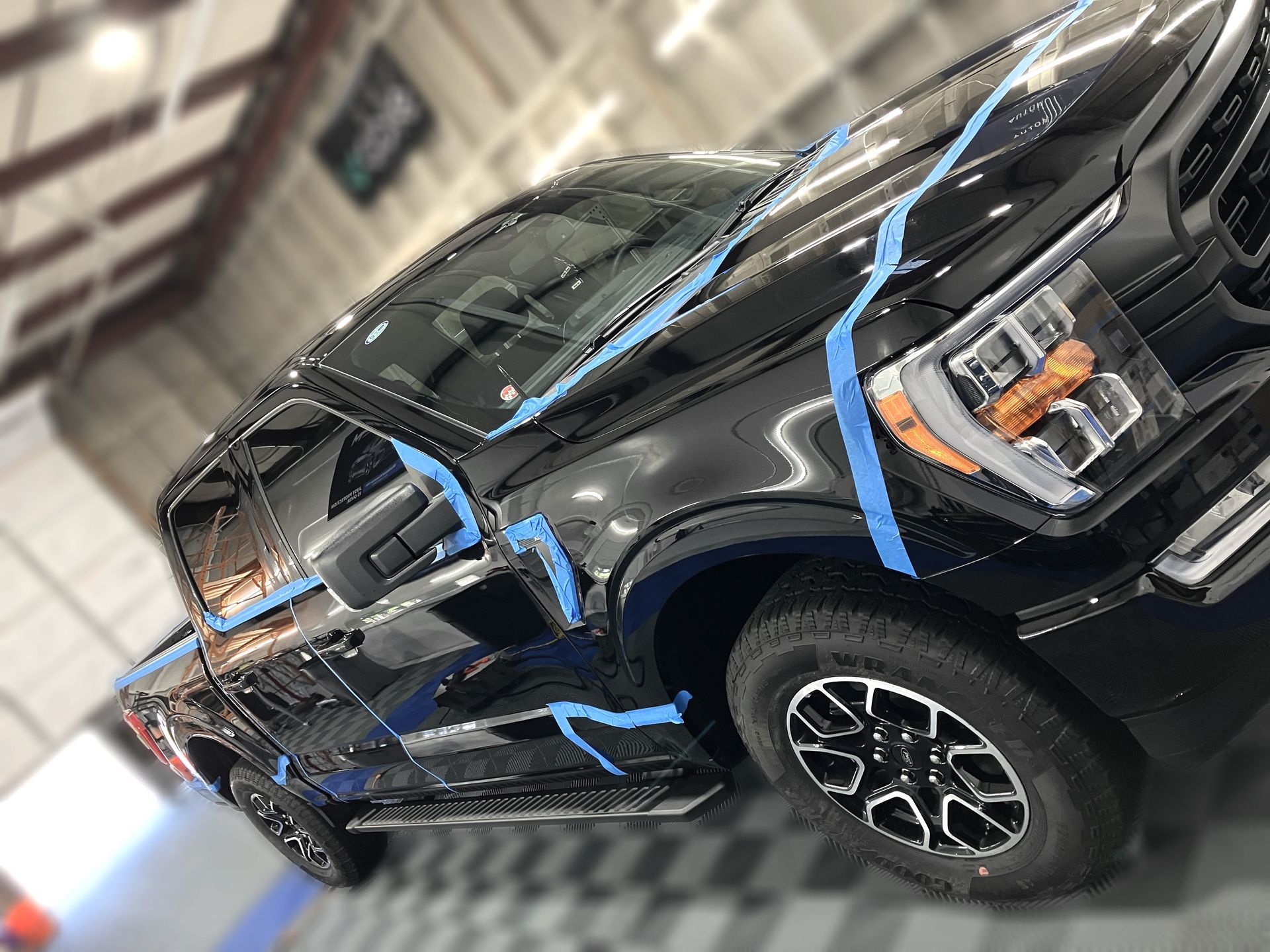
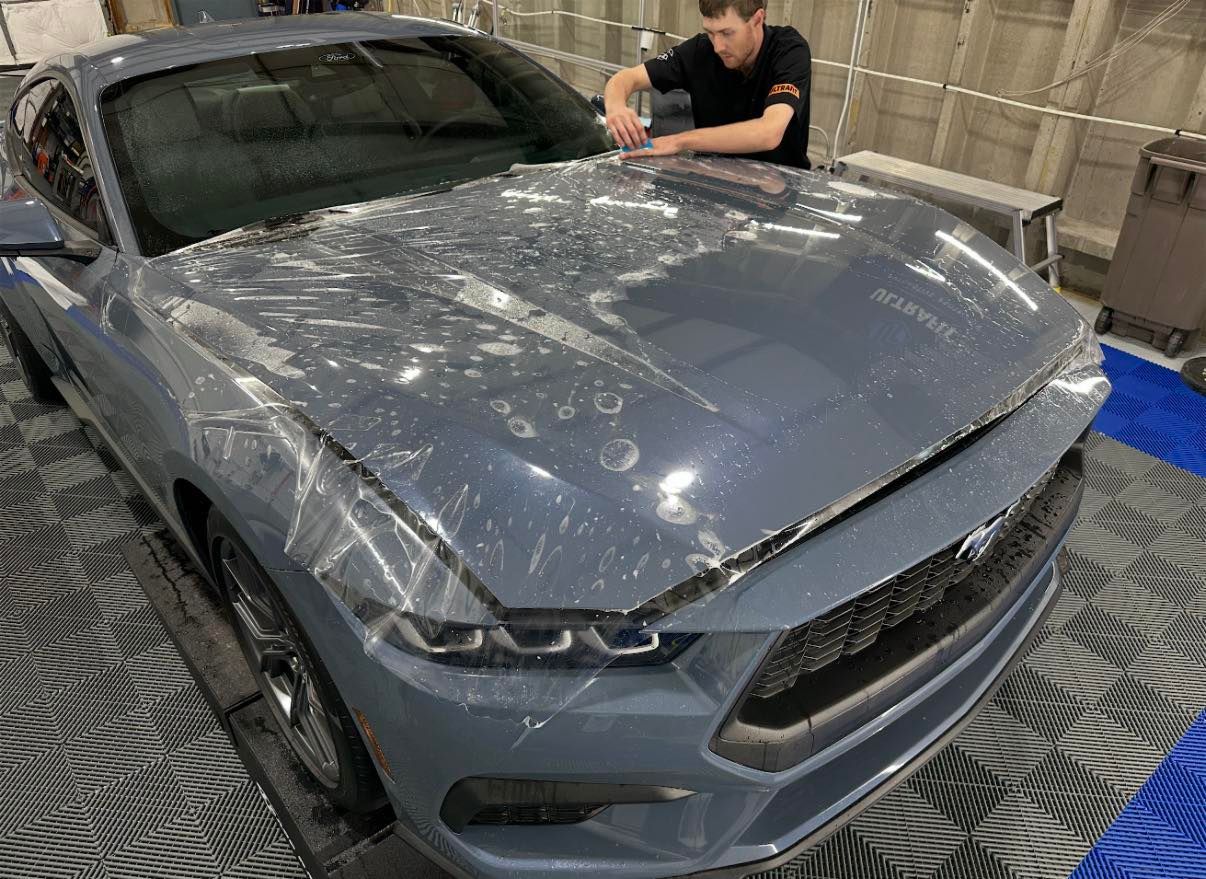
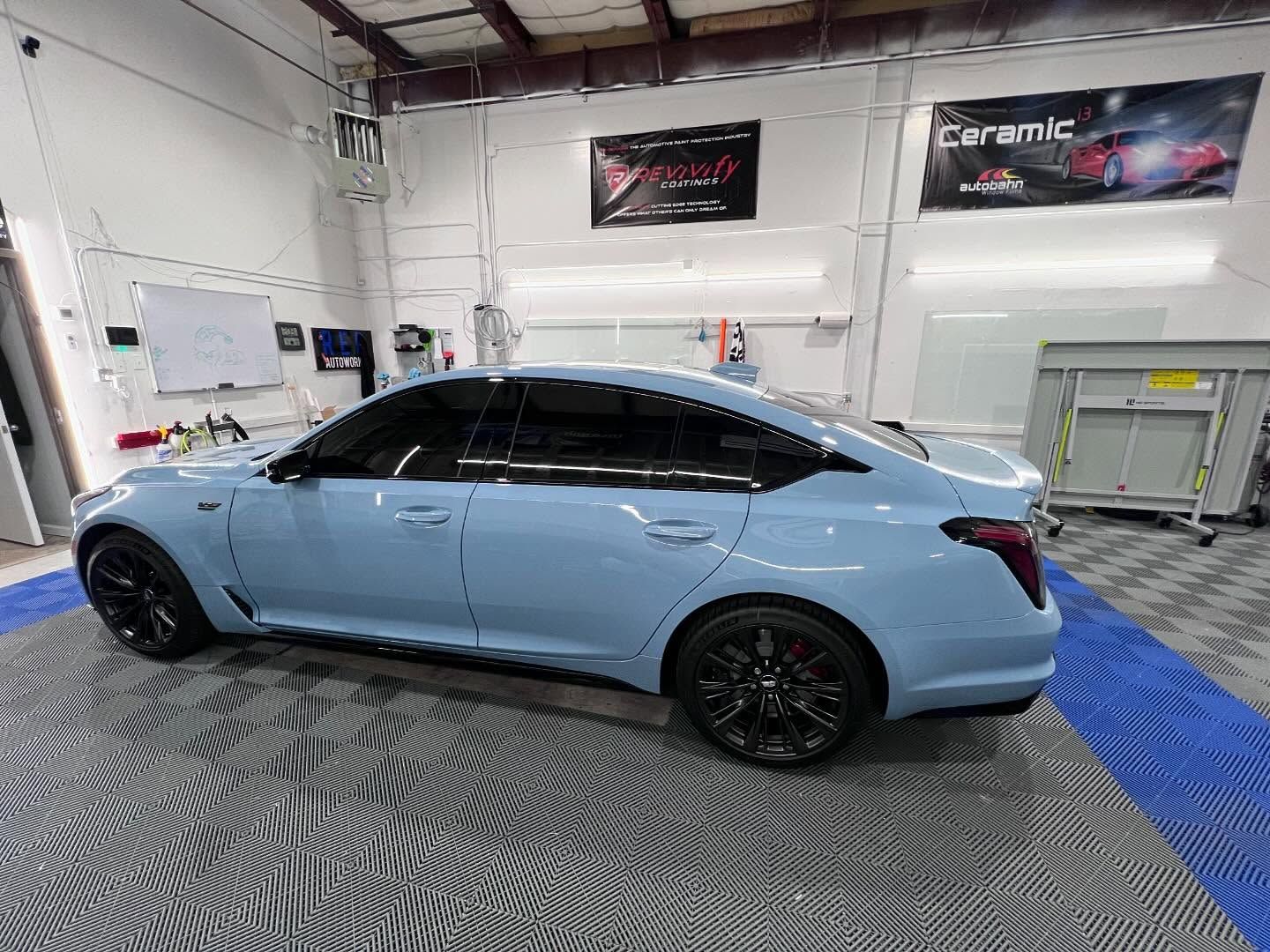
Apply Ceramic Coating or Paint Protection Film (PPF)
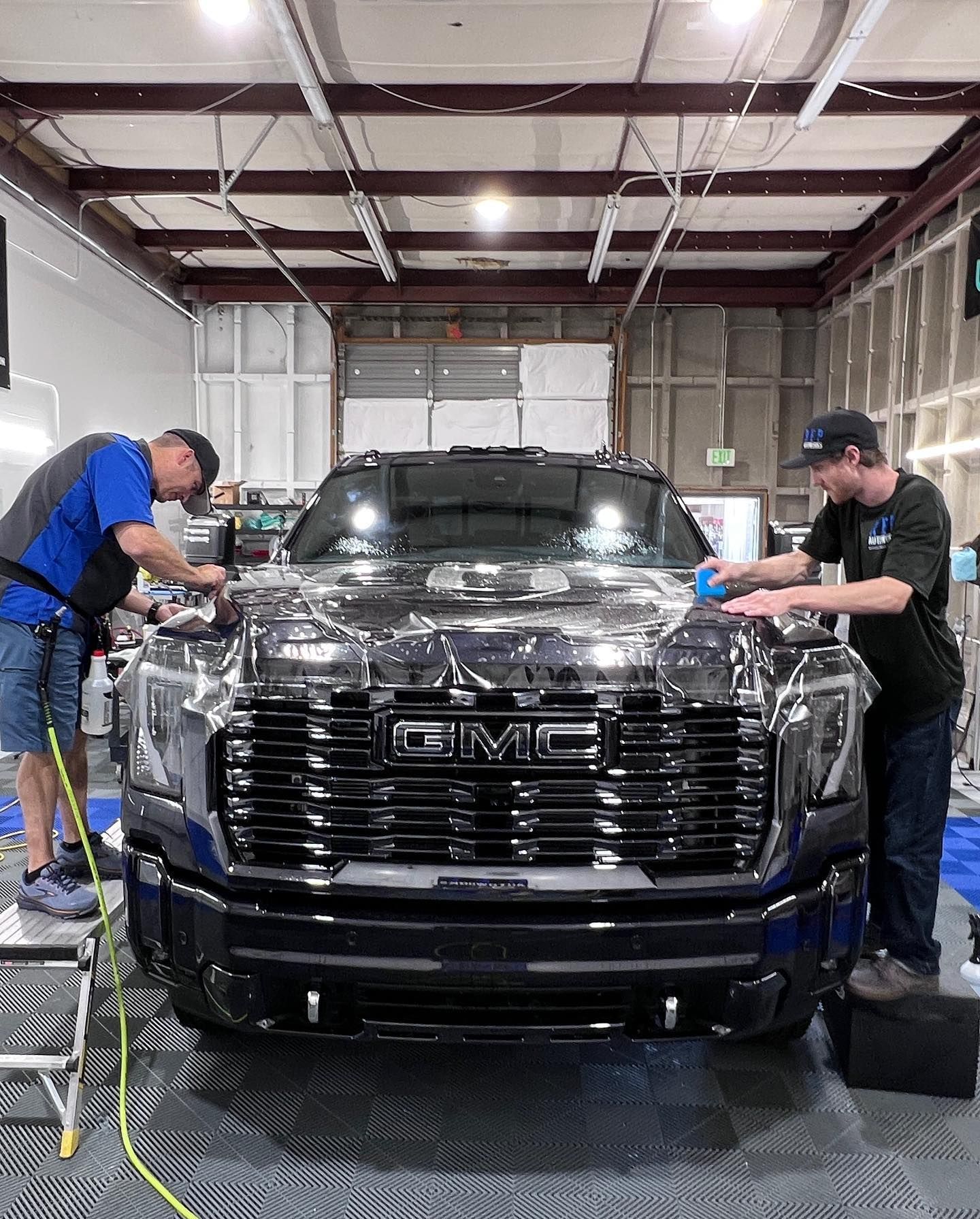
A ceramic coating or PPF provides an additional layer of defense against corrosive deicers.
- Ceramic Coating : Creates a hydrophobic barrier that repels moisture and contaminants.
- PPF : Offers physical protection against road debris, deicing chemicals, and minor abrasions.
Rustproofing and Protective Sealants
Applying a rustproofing treatment or undercoating to your vehicle can help prevent liquid magnesium chloride from eating away at exposed metal surfaces.
- Undercoating : A protective layer applied to the undercarriage to prevent rust.
- Sealants for Electrical Components : Helps prevent moisture-related corrosion.
Keep Your Car in a Garage When Possible
Parking in a covered area helps reduce exposure to deicing chemicals and moisture. If a garage isn’t available, consider using a car cover for additional protection.
Schedule Professional Auto Detailing
Regular professional detailing services remove stubborn deicer buildup that standard washes might miss. A full detail, including clay bar treatments and sealants, can keep your car protected throughout the winter.
How REP AutoWorks Protects Your Car from Liquid Magnesium Chloride Damage
Winter driving in the Denver area is unavoidable, but the damage from liquid magnesium chloride doesn’t have to be. At REP AutoWorks, we specialize in paint protection film and ceramic coatings services designed to protect your vehicle from harsh winter conditions. Our industry-leading ceramic coatings repel moisture, salt, and deicers, while our paint protection film shields your car’s exterior from road debris and corrosion.
Located in Centennial, Colorado, REP AutoWorks serves the entire Denver metro area, helping car owners maintain their vehicles through Colorado’s toughest winters. If you want to keep your car looking great and running smoothly, contact us today to schedule a consultation and learn how our protective treatments can keep liquid magnesium chloride from destroying your vehicle.
The post Liquid Magnesium Chloride: Denver’s Winter Deicer and Its Impact on Your Car appeared first on REP AutoWorks.