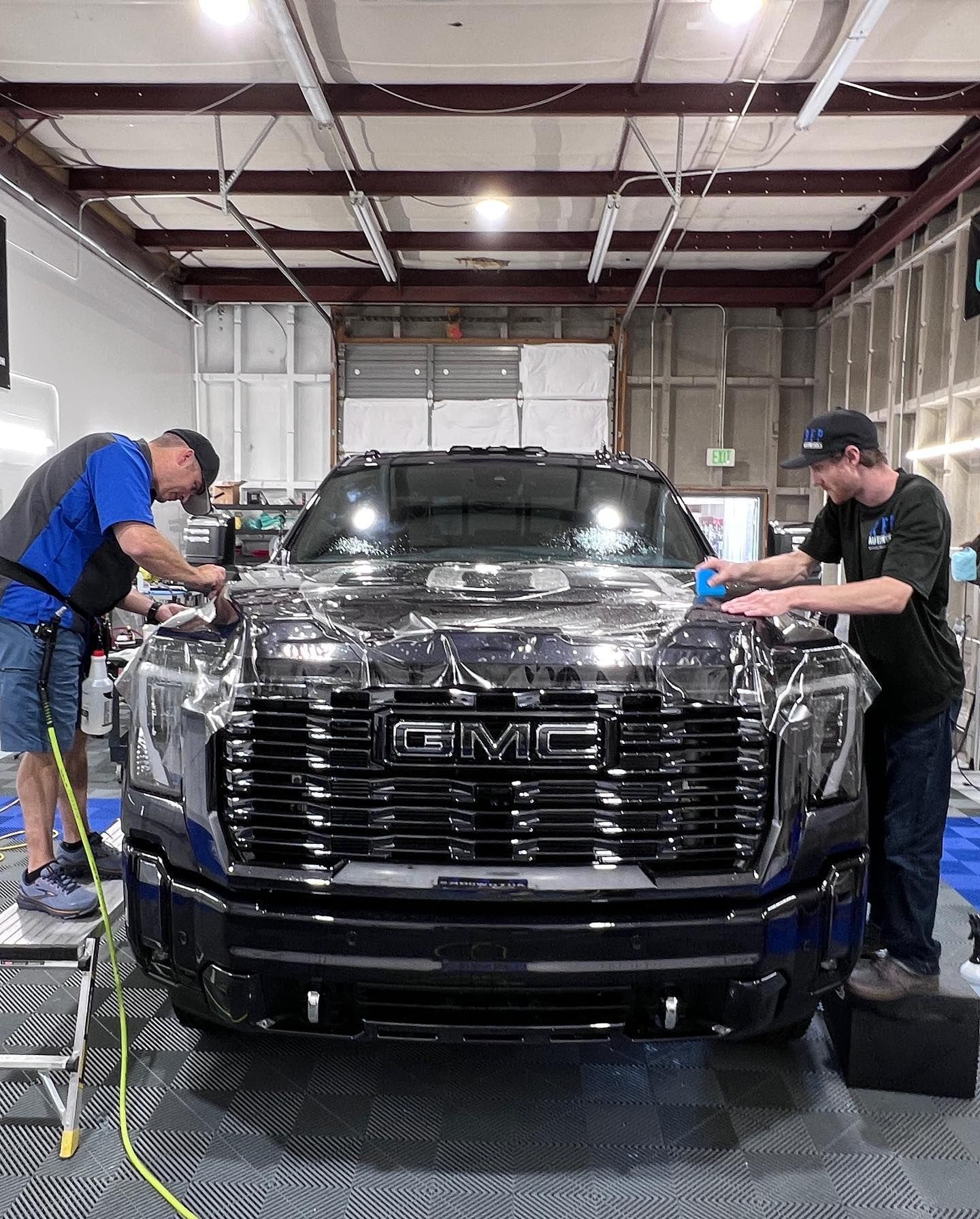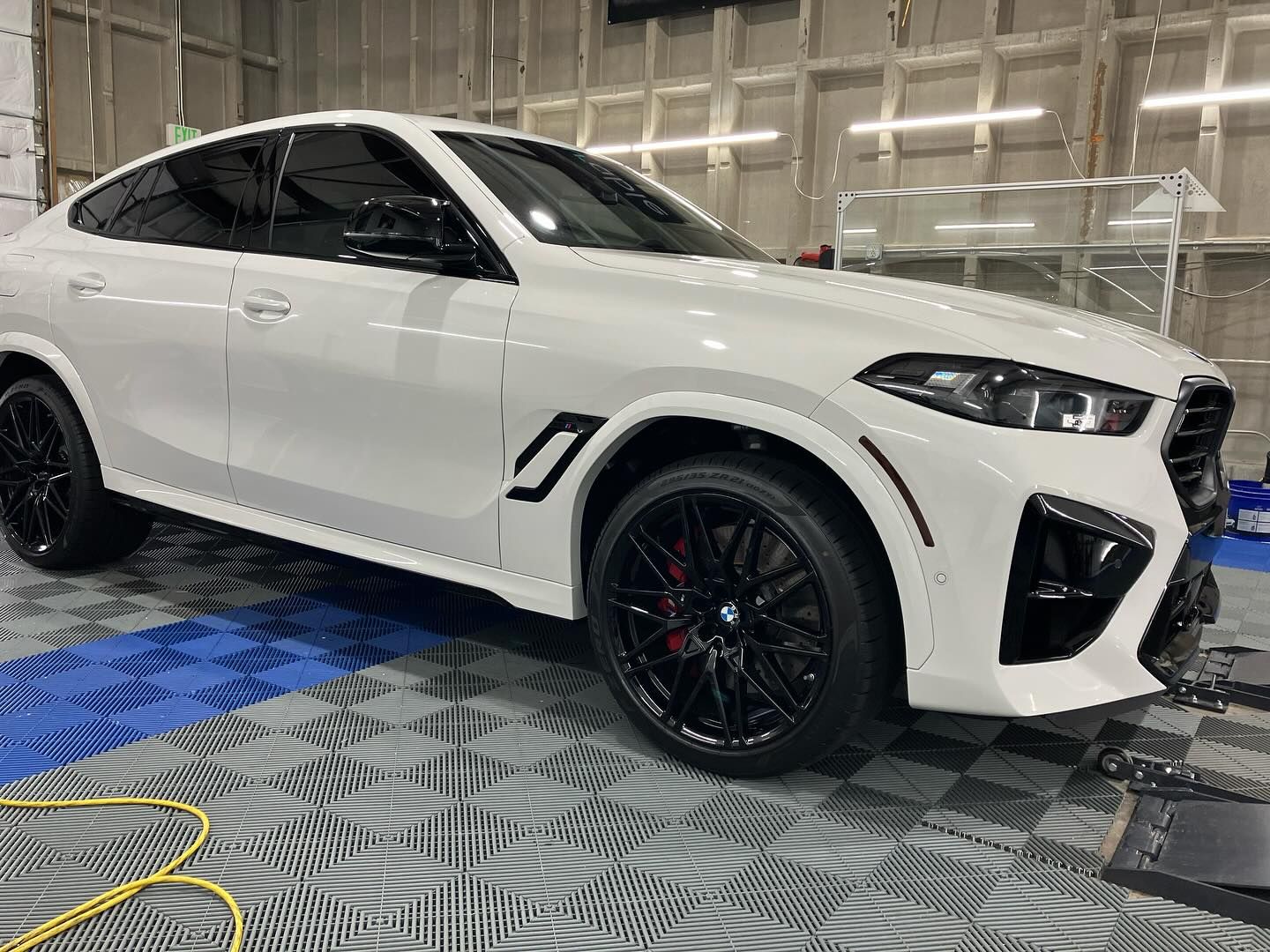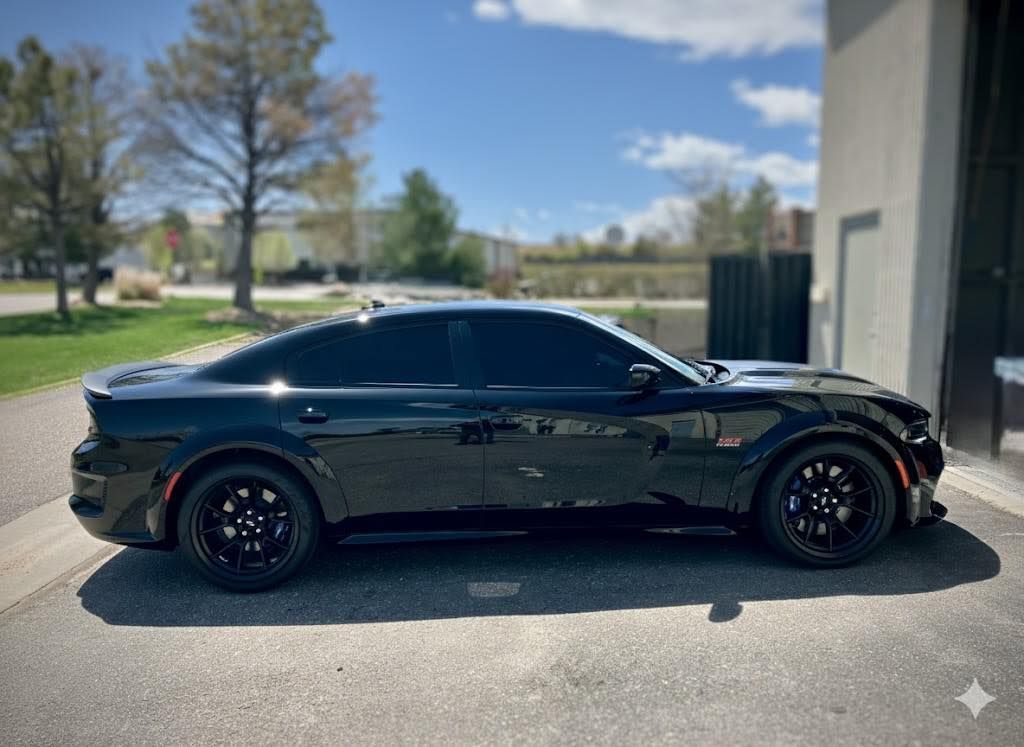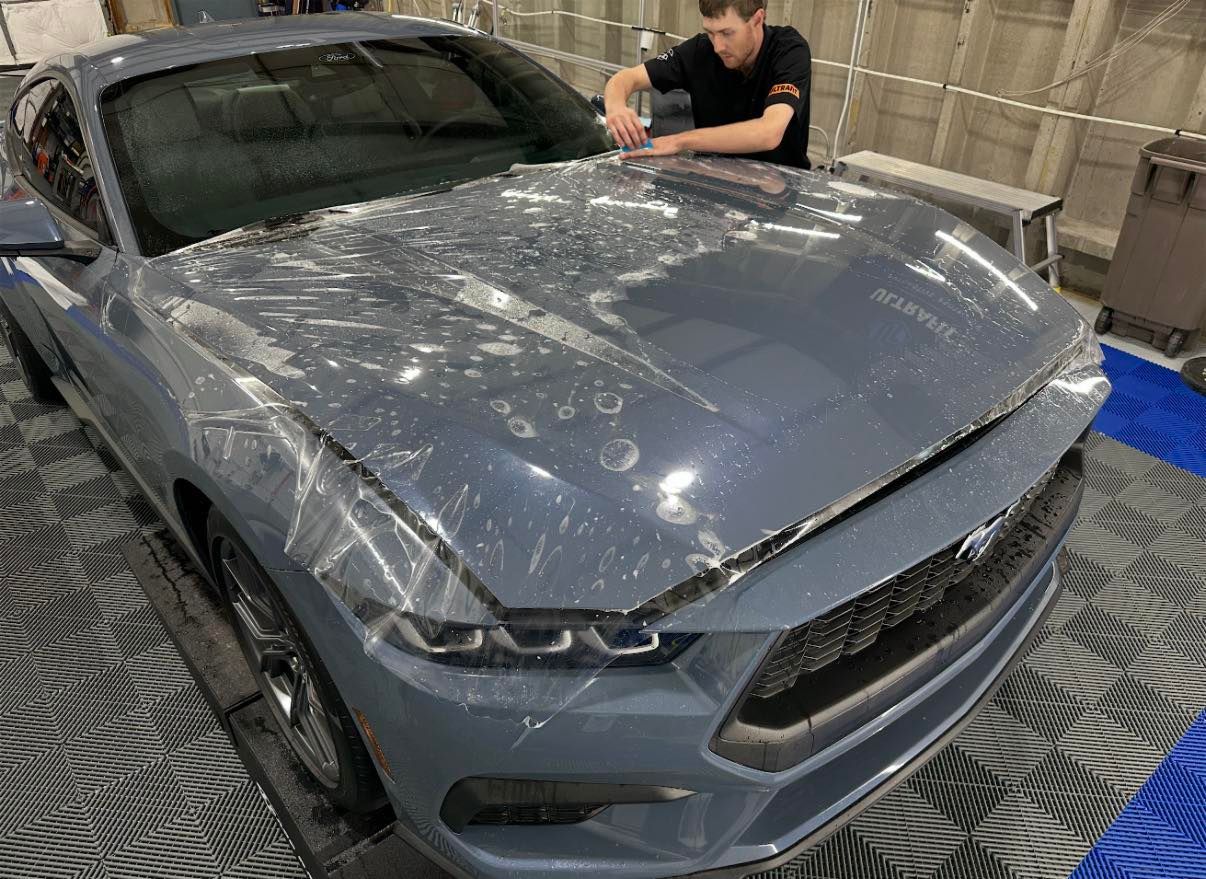
Paint Correction Before Ceramic Coating: Why Preparation Creates the Best Finish
A ceramic coating can add gloss, water repellency, and easier maintenance to a vehicle, but it cannot correct the paint underneath it. If the clear coat already shows wash marks, haze, oxidation, or light scratches, those defects remain after installation. In fact, the coating’s added clarity may make them easier to see.
That is why the best ceramic coating in Centennial begins with an honest paint inspection, not the coating bottle. At Rep Autoworks, preparation is matched to the condition of the vehicle rather than treated as the same routine for every car. The goal is to create a clean, stable, visually refined surface before the coating bonds to it.
Ceramic Coating Preserves the Surface You Give It
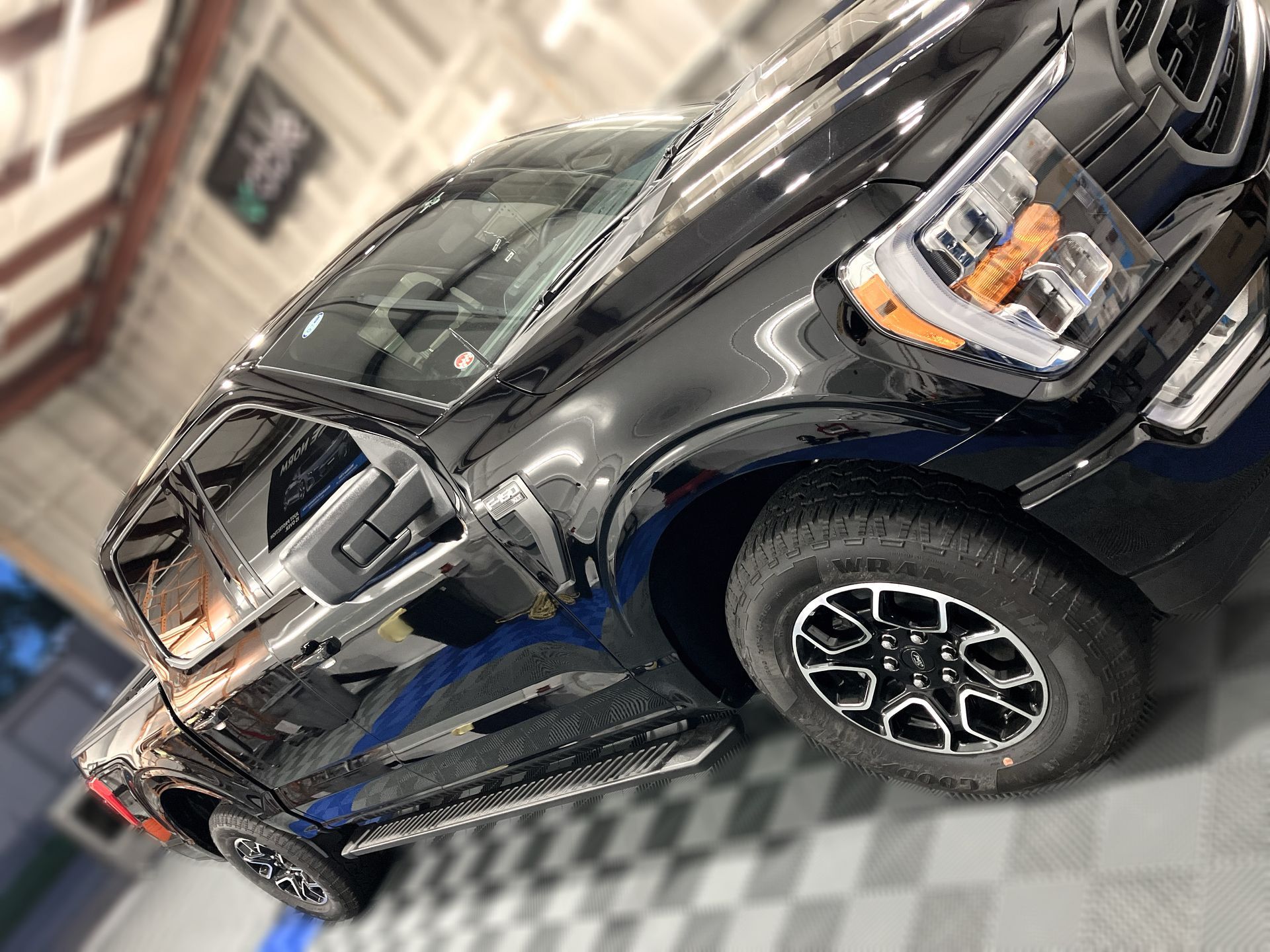
Ceramic coating is a liquid protectant applied over a vehicle’s finished surfaces. Once properly installed and cured, it creates a hydrophobic layer that enhances gloss and helps reduce the buildup of dirt, road grime, and other contamination. It can make regular washing more manageable, but it does not fill scratches or level uneven clear coat.
This distinction also prevents an expensive misunderstanding: coating and correction perform different jobs. Paint correction improves eligible defects in the clear coat. Ceramic coating helps preserve and simplify the care of the corrected finish.
Decontamination and Paint Correction Are Not the Same Step
A vehicle can feel clean after a wash and still be unprepared for coating. Road film, mineral residue, iron particles, tar, and bonded debris may remain attached to the finish. A proper preparation process removes loose dirt first and then addresses contamination that ordinary washing does not release.
Decontamination cleans material from the surface. Paint correction works on defects within the upper portion of the clear coat. These may include:
- Fine swirl marks caused by repeated washing or drying
- Light scratches that have not penetrated beyond the clear coat
- Haze left by previous polishing or improper machine use
- Mild oxidation or a generally dull appearance
- Water-spot etching that is shallow enough to correct safely
Both stages matter. Polishing contaminated paint can drag particles across the panel, while coating over bonded debris can interfere with a uniform finish. A professional ceramic coating installation therefore depends on disciplined preparation and inspection.
What Paint Correction Actually Does
Paint correction uses machine polishing, suitable pads, and abrasive compounds or polishes to remove a controlled amount of damaged clear coat. By leveling the area around eligible defects, the process restores a more uniform surface that reflects light cleanly.
This is not the same as covering imperfections with glaze or wax. Those products may temporarily disguise fine marks. Correction physically refines the clear coat, which is why the technician must balance visible improvement against responsible paint preservation.
Rep Autoworks describes its approach as a multi-step process that may involve cutting, buffing, and polishing. Its website lists single-stage, two-step, three-step, and full paint correction packages, all of which include paint decontamination. The required level is based on an inspection of the vehicle. Mild surface swirls may respond to a single-stage correction, while more extensive but correctable defects can require multiple stages.
More polishing is not automatically better. Clear coat is finite, so a thoughtful plan considers defect depth, previous bodywork, panel condition, vehicle use, and the owner’s expectations.
Not Every Scratch Should Be Chased
The phrase “paint correction” is sometimes mistaken for a promise of flawless paint. That is neither realistic nor responsible. Correction is intended for defects within the clear coat. A scratch that reaches the color coat, primer, or metal cannot be safely polished away. It may require touch-up paint or body repair instead.
Some deeper clear-coat defects may also be better improved rather than fully removed. Chasing the final trace of a scratch could require sacrificing too much clear coat for too little visual benefit. A reputable assessment should separate three categories:
- Defects that can be removed safely
- Defects that can be reduced but should not be eliminated
- Damage that needs paintwork or another repair method
That conversation sets a useful expectation before the ceramic coating installation begins. The best result is not simply the highest correction percentage; it is the strongest balance of appearance, paint integrity, protection, and intended use.
Why Centennial Driving Makes Surface Preparation Important
Vehicles around Centennial rarely live in showroom conditions. Strong sunlight can make wash marks and polishing haze particularly obvious on dark paint. Changing weather, dust buildup, and road grime can also affect the finish, while automatic car washes and rushed drying may add fine marring throughout the year.
These conditions do not mean every local vehicle needs aggressive correction. A daily-driven SUV may need a different plan than a low-mileage sports car. The service should reflect the paint’s condition and the owner’s goal instead of following a one-size-fits-all checklist.
The Preparation Sequence Behind a Refined Coating
Although the exact steps depend on the vehicle, a careful coating project generally follows a clear order.
1. Inspect the Paint and Discuss Expectations
The vehicle is examined for swirls, scratches, staining, etching, oxidation, and repainted areas. The owner’s preferred level of refinement also shapes the plan.
2. Wash and Decontaminate Thoroughly
The preparation wash removes grime before chemical or mechanical methods address bonded material as needed. Edges, trim, and panel gaps also require attention.
3. Test a Correction Combination
A test section identifies the least aggressive pad-and-polish combination capable of producing the desired improvement while providing a realistic preview.
4. Correct and Refine the Finish
The chosen process is completed panel by panel. It may involve one polishing stage or staged correction and refining. Inspection lighting reveals remaining haze or residue.
5. Prepare the Surface for Bonding
Polishing oils and residue are removed so the coating meets clean paint. The panels are checked again because missed marks become harder to address after installation.
6. Apply and Cure the Coating Correctly
Rep Autoworks hand-applies its ceramic formula for consistent coverage and cures coatings in a climate-controlled environment. Controlled application and curing help the product bond as intended and reduce the risk of uneven areas or high spots.
Does a New Vehicle Need Paint Correction?
New does not always mean defect-free. Transport, dealership washing, lot care, or delivery preparation can leave light marring, adhesive residue, or bonded contamination. Yet a new car should not automatically receive an extensive correction. Inspection determines whether it needs cleaning, light refinement, or more.
Choosing the Right Rep Autoworks Coating Package
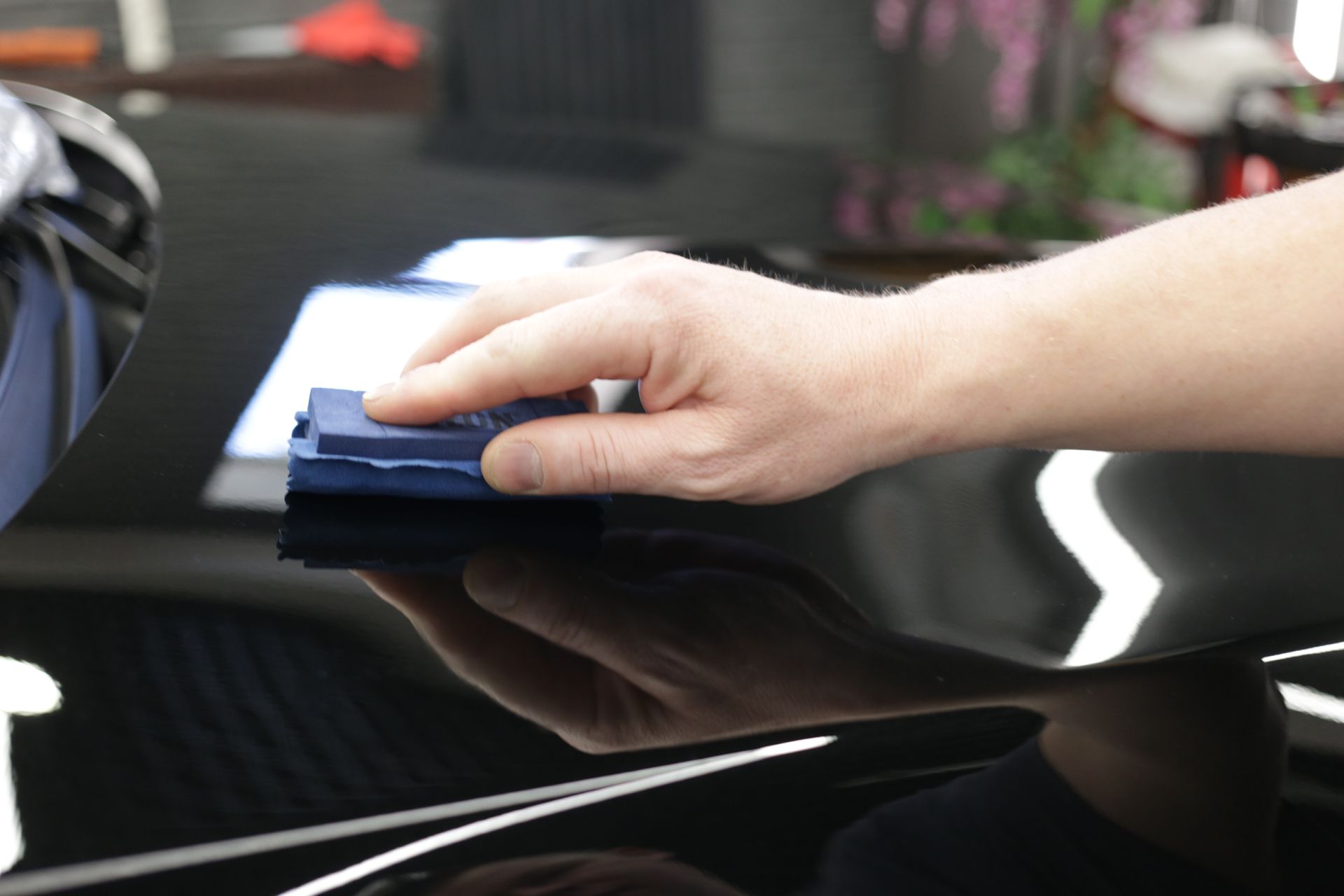
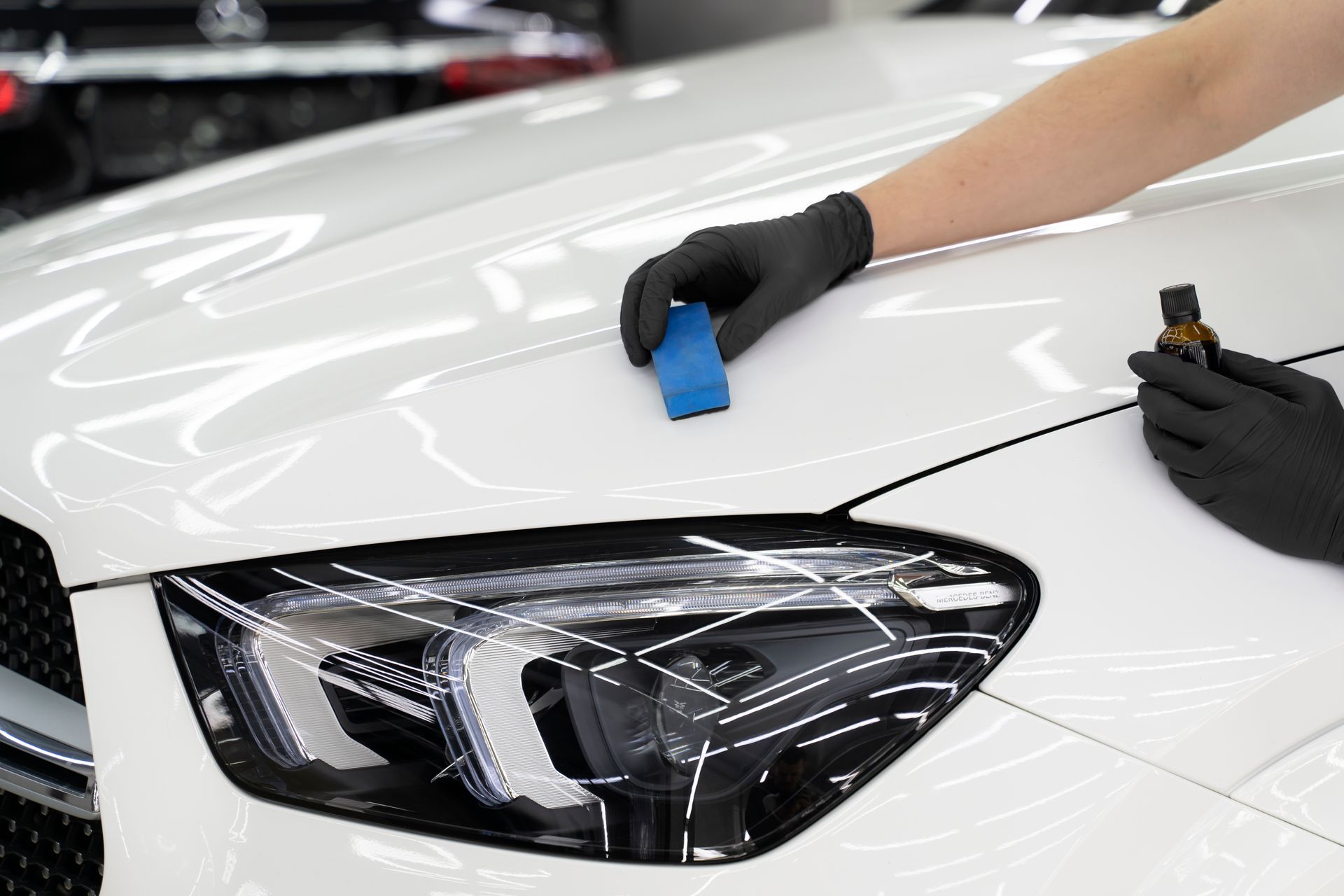
Rep Autoworks publishes three coating options. Its Stage 1 package applies a single layer to paint and bodywork and is listed as a 3-year coating. Stage 2 is listed as a 5-year option and adds coating to the windshield and other automotive glass.
The REP Package, or Stage 3, is listed as a 10-year coating and includes Level 1 paint correction. It also covers only wheel faces, automotive glass, headlights, and taillights. The package includes a free maintenance wash one year after coating and a nationwide transferable warranty. Package terms, vehicle condition, maintenance requirements, and current eligibility should always be confirmed when requesting a quote.
The right choice is not simply the longest stated duration. Consider ownership plans, parking, washing habits, coated surfaces, and correction needs. Rep Autoworks lists a one-day turnaround for these packages, but timing should be confirmed for each vehicle.
Protect the Work After Installation
A coating reduces maintenance effort; it does not eliminate maintenance. Colorado dust, mineral-bearing water, road film, and winter residue still need to be removed. Letting contamination remain can reduce water behavior and diminish the finish.
Follow the installer’s cure and washing instructions. Use clean wash media, suitable products, and gentle drying. Rain is not a free wash; water can evaporate and leave minerals behind. Changes in beading may signal a need for decontamination or professional maintenance.
Start With the Paint, Then Choose the Protection
The quality of a coating finish is decided long before the applicator touches the panel. Inspection reveals what is possible. Decontamination creates a genuinely clean surface. Paint correction restores clarity where it can be done safely. Only then can the coating enhance and preserve the result beneath it.
If you are considering
ceramic coating in Centennial, bring the vehicle to Rep Autoworks for a condition-based recommendation. The team can evaluate the paint, explain which defects are correctable, and help you compare its available coating packages without treating every vehicle the same. Call Rep Autoworks at
303-818-7742 to request a quote for
paint correction and
ceramic coating.