How to Choose the Right Window Tint Percentage for Your Vehicle in Colorado
Choosing a window tint percentage involves more than appearance. The number you select determines whether your vehicle meets Colorado law, how clearly you see at night, how much heat enters the cabin, and how the finished vehicle looks.
For drivers researching window tinting in Centennial, this guide explains what tint percentages measure, what state law permits, and how to match a percentage to your driving needs.
What a Tint Percentage Measures
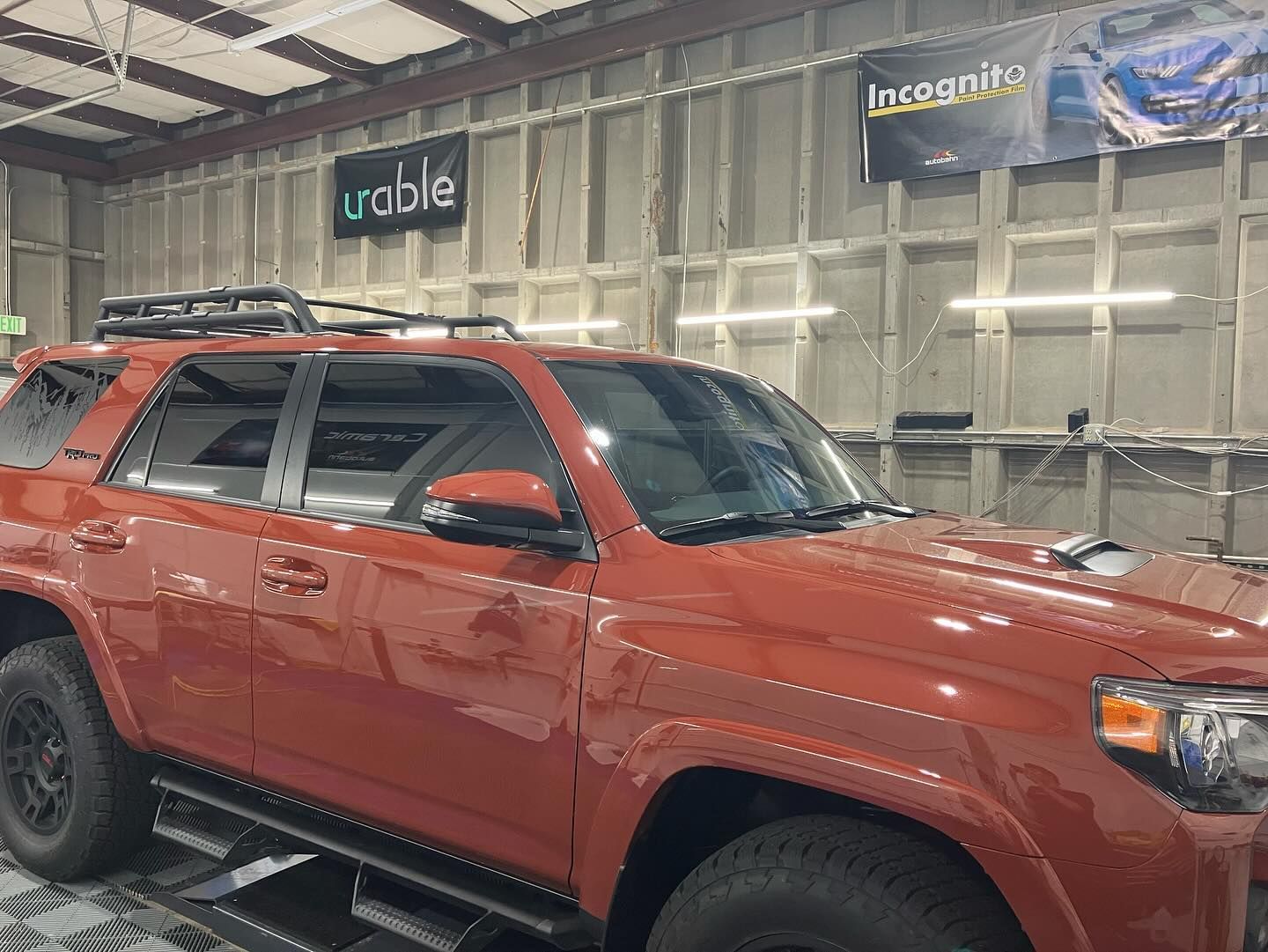
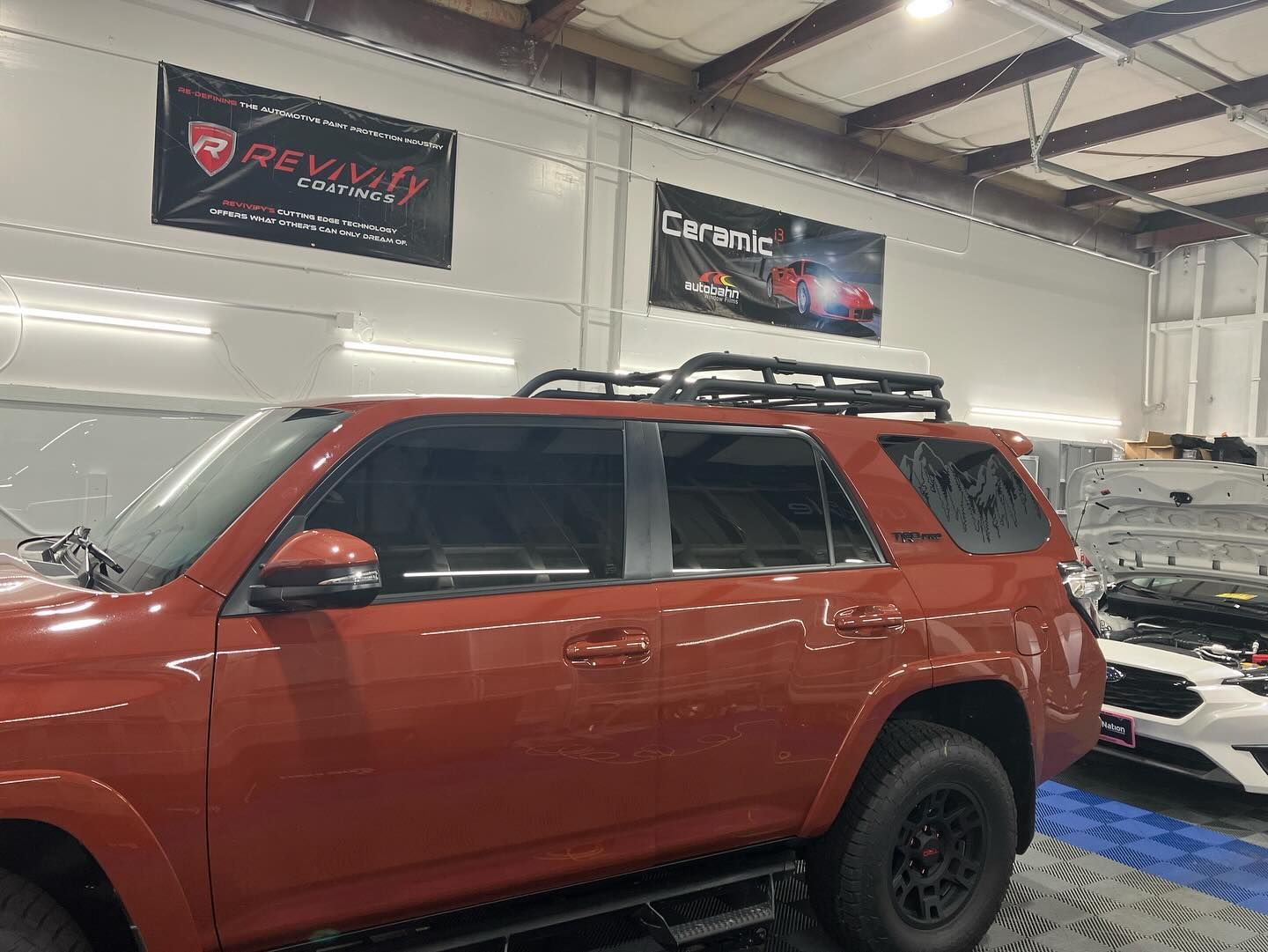
Window tint percentage is expressed as Visible Light Transmission, or VLT. It represents the percentage of visible light that passes through the glass and film together.
A 50% film allows roughly half of visible light through. A 5% film, commonly referred to as limo tint, allows very little. A lower number indicates a darker window.
It is important to understand what VLT does not measure. It accounts for visible light only, not infrared heat rejection or UV blocking. A dark film can offer limited heat performance, and a light film can offer substantial heat performance. Darkness and performance are separate considerations, and they should be evaluated separately.
Colorado Window Tint Laws
Colorado window tint laws are established under Colorado Revised Statutes 42-4-227. The same requirements apply to sedans, trucks, SUVs, and vans, which differs from several neighboring states.
The current requirements are as follows:
- Front side windows. The driver and front passenger windows must allow more than 27% VLT.
- Back side windows and rear window. The same 27% minimum applies by default.
- The 70% provision. If the windshield and both front side windows allow at least 70% VLT, the windows behind the driver may be tinted to any darkness.
- Windshield. Non-reflective tint is permitted only on the top four inches, above the AS-1 line, at 70% VLT. Tinting the full windshield is not permitted.
- Appearance. Metallic and mirrored finishes are not permitted on any window.
- Medical exemption. Colorado provides an exemption for darker tint with physician certification for qualifying conditions.
Vehicles registered in another state but operated in Colorado follow a separate threshold of 20% VLT on windows other than the windshield.
Compliance is verified with a handheld meter placed against the glass. A violation is a traffic infraction carrying a fine, and the film remains in place until it is removed or replaced.
Why Film Percentage and Measured Percentage Differ
Factory glass blocks a portion of light before any film is applied. Most automotive glass measures in the range of 70% to 80% VLT on its own. A tint meter reads the glass and the film together, not the film alone.
The effect is measurable. A 35% film applied to glass measuring 75% produces a combined reading near 26%, which falls below the 27% requirement for front-side windows despite the film being labeled 35%.
For this reason, we evaluate the vehicle's existing glass before recommending a film and confirm the target percentage with you in advance. Selecting a percentage from a chart without accounting for the glass on your specific vehicle is a common reason drivers end up removing new tint.
Matching a Percentage to Your Driving Needs
Once the legal limits are established, the decision becomes practical.
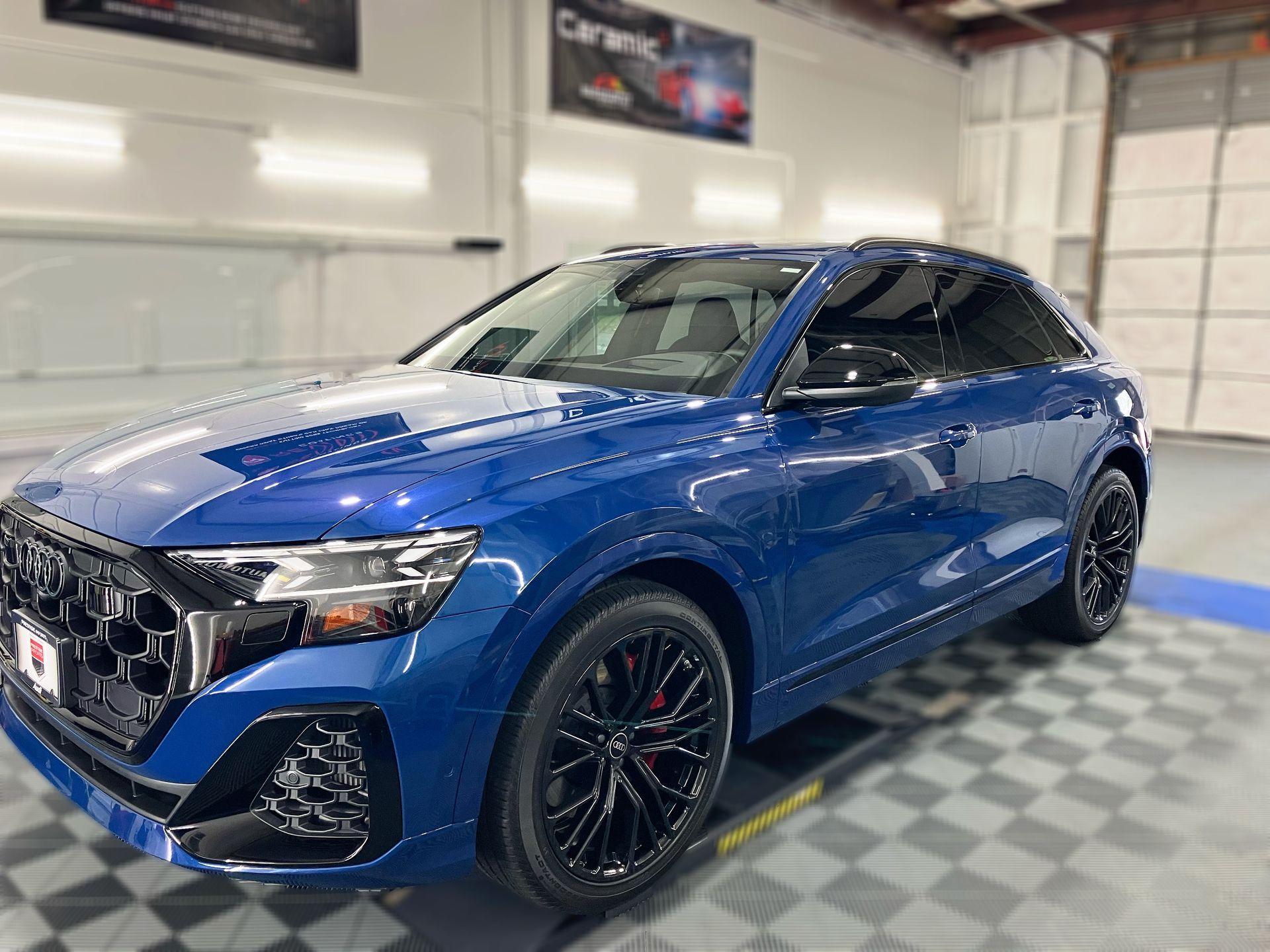
Lighter films, around 50%. These keep front side windows within legal range once combined with factory glass. The appearance remains close to stock. When paired with a higher-performing ceramic film, a 50% selection can still provide considerable heat and UV control.
Mid range, around 30%. This tint produces a clearly darker appearance with a clean finish. On most vehicles it is suited to the glass behind the driver, since the combined reading on front doors typically falls below the legal minimum.
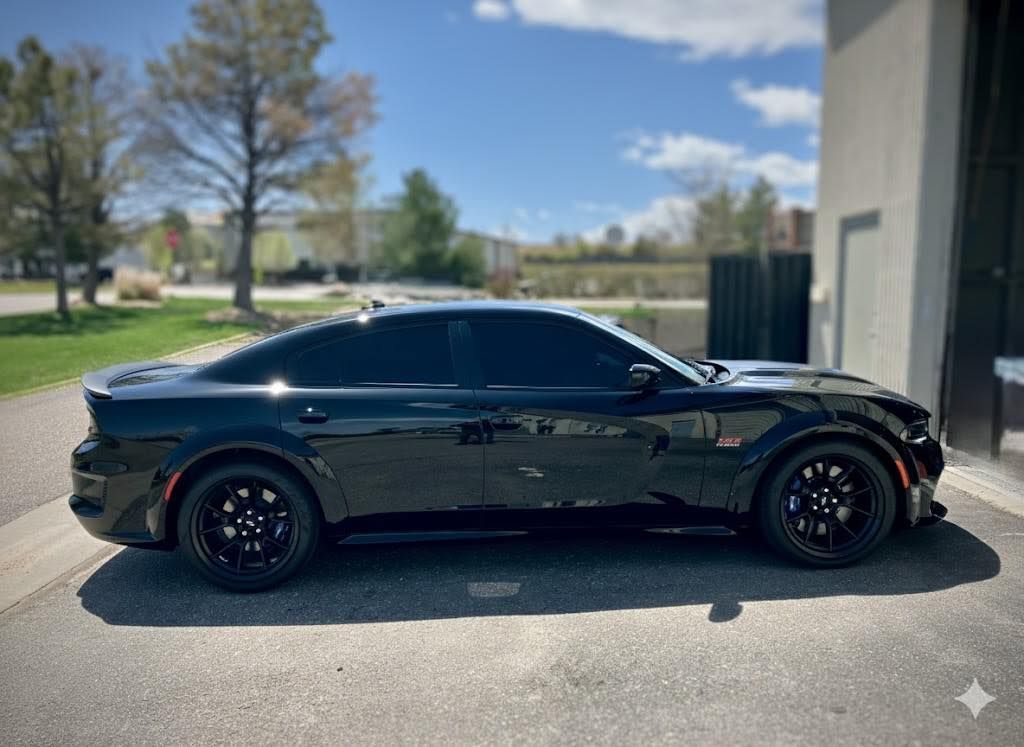
Darker films, 15% and below. These are selected primarily for privacy. They are appropriate for the rear side glass and the back window, and only when the front glass qualifies under the 70% provision. Darker glass also reduces outward visibility at night, in snow, and in low morning light on routes such as I-25, which is worth weighing before selecting.
5%. Limo darkness, suitable for rear glass only, and only in combination with clear or near clear front windows and windshield.
A practical approach is to separate the goal from the location. Privacy concerns generally apply to rear glass. Heat and glare concerns generally apply to front glass. The two rarely call for the same percentage.
Film Construction Determines Performance
Two vehicles tinted at the same 30% can feel entirely different inside. The difference comes from how the film is built.
We install Autobahn window film in four options:
- Autobahn Black. Up to 13% infrared heat rejection, selected primarily for privacy and glare reduction.
- Autobahn Black Ceramic. Approximately 60% infrared heat rejection, with reduced UV exposure for drivers and passengers.
- Autobahn i3. Up to 93% infrared heat rejection, with significant UV reduction and glare control.
- Autobahn i3+. Up to 99% infrared heat rejection and equal UV resistance, for drivers seeking maximum temperature control.
This distinction matters most on the windows that cannot legally be darkened. A driver seeking a cooler cabin in the Colorado sun does not require a darker front window. That result comes from a higher-performing film applied at a legal percentage.
It is also worth noting that modern non-metallic films do not interfere with GPS, mobile phones, or radio signals. Signal interference is associated with older metallic films rather than the options available today.
Our Approach at Rep Autoworks
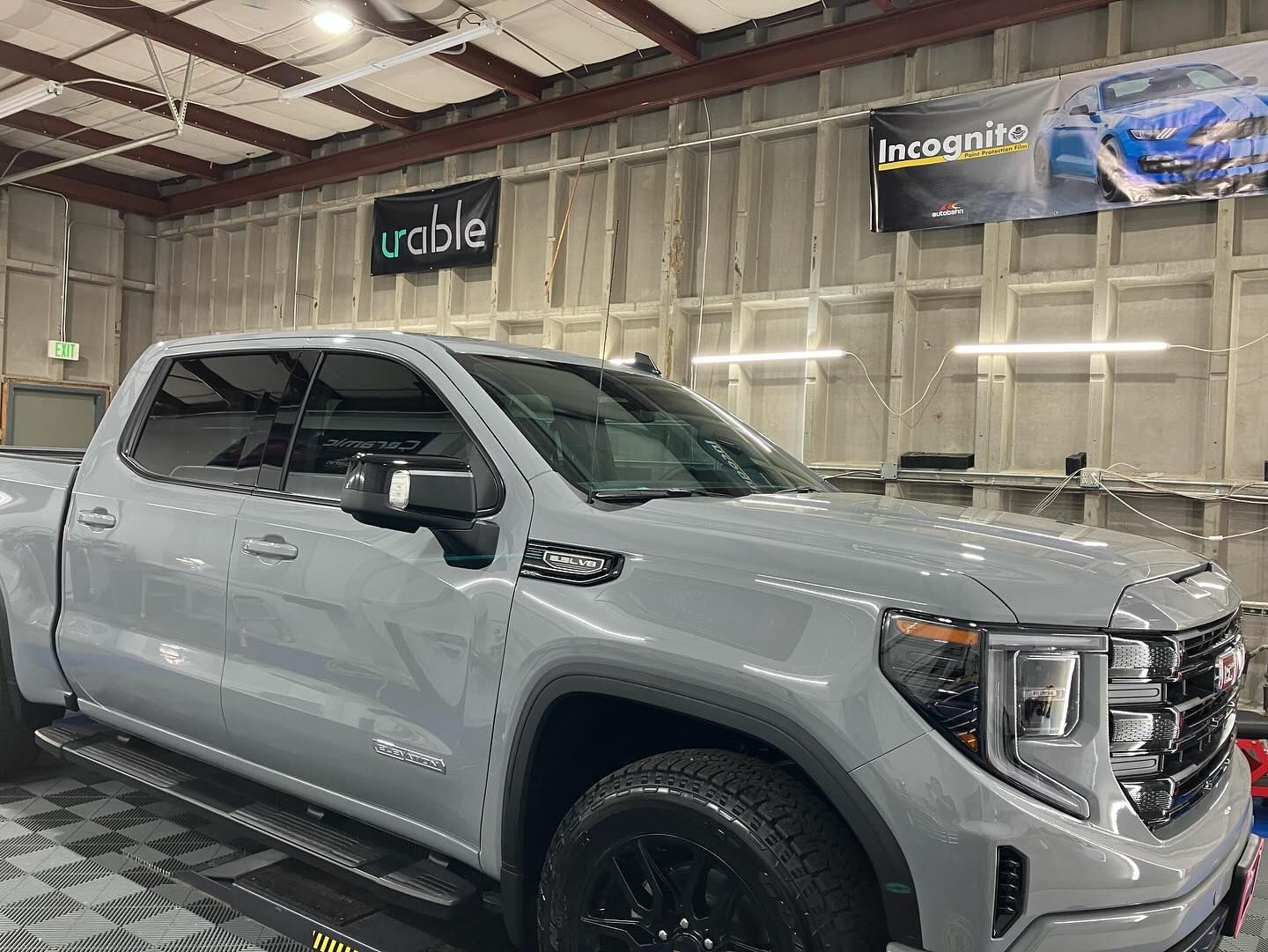
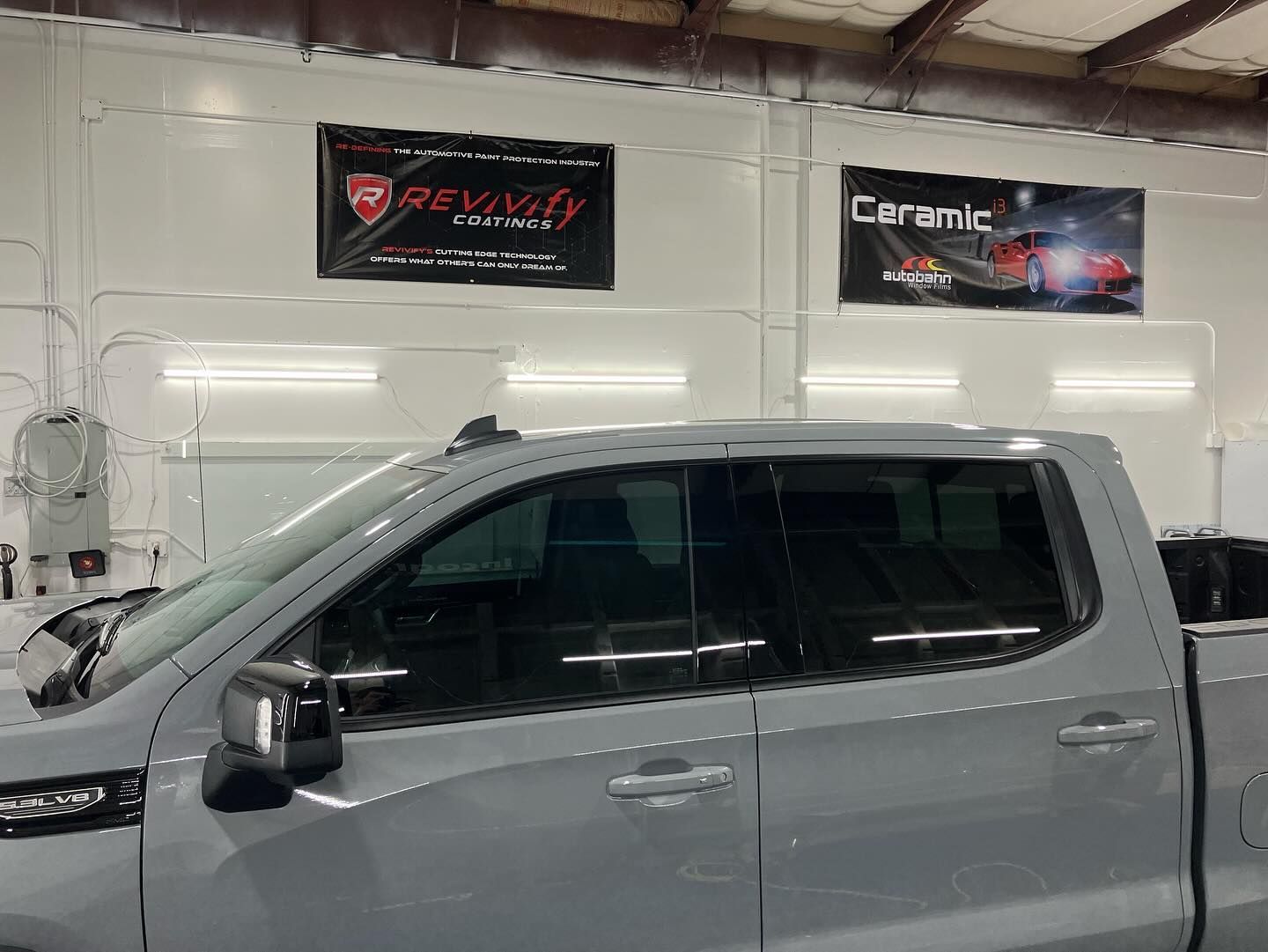
Our process is built around accuracy at installation:
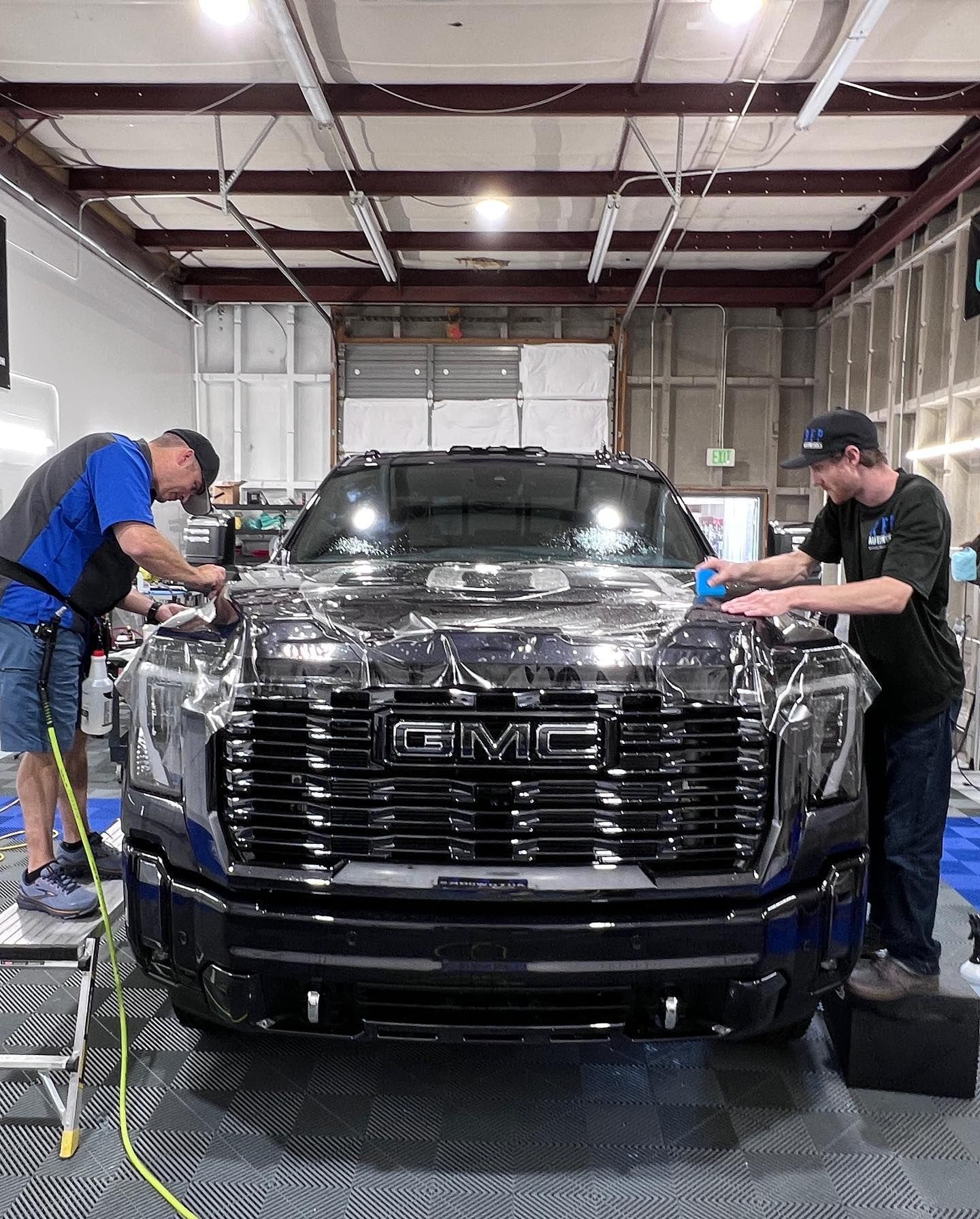
- Film is custom fit and applied to each individual glass surface by trained, certified installers.
- Each vehicle cures in our climate-controlled facility, which supports proper bonding and helps prevent peeling, bubbling, and distortion.
- We stay current on Colorado tint regulations so the package selected remains compliant.
- Tint can be removed safely without damaging glass surfaces if you change your preference or sell the vehicle.
The next day window tint service is available for local clients. Quotes are provided by the window group, including the windshield strip, the front two windows, and all sides with the rear window, so coverage can be built around your priorities.
Review Your Options Before Selecting a Percentage
The appropriate tint percentage is the one that satisfies Colorado law, supports safe visibility, and meets your comfort goals. Determining that requires a brief conversation and a meter reading rather than an estimate.
Call us at 303-818-7742 or request a free quote to review film options and legal percentages for your vehicle. You can also view our window tinting packages before reaching out.
Frequently Asked Questions
What is the darkest legal tint in Colorado?
Front side windows must allow more than 27% VLT. The backside windows and the rear window follow the same 27% minimum, unless your windshield and both front side windows allow at least 70% VLT. In that case, the windows behind the driver can be tinted to any darkness.
Can I tint my entire windshield in Colorado?
No. Non-reflective tint is permitted only on the top four inches of the windshield, above the AS-1 line, at 70% VLT. Full windshield tinting is not allowed.
Why did my 35% tint measure below the legal limit?
A tint meter reads your factory glass and the film together. Most automotive glass measures around 70% to 80% VLT on its own, so a 35% film can produce a combined reading near 26%. We measure your glass before recommending a film.
Does a darker tint block more heat?
Not necessarily. VLT measures visible light, not infrared heat. Our Autobahn i3+ film rejects up to 99% of infrared heat and can be installed at a legal percentage on front windows.
Will window tint interfere with my phone or GPS?
No. The non-metallic films we install block UV and infrared heat without affecting GPS, mobile, or radio signals.