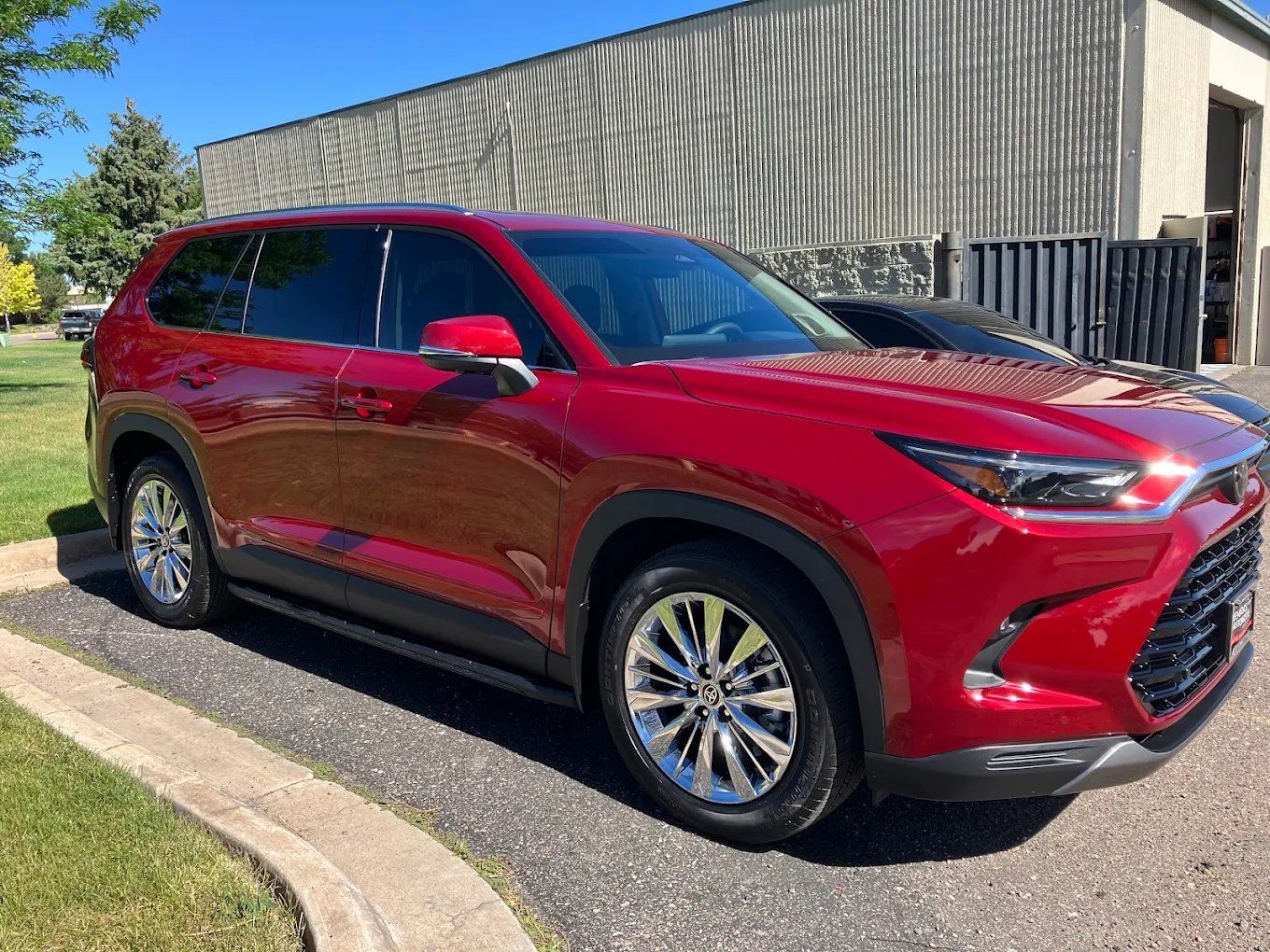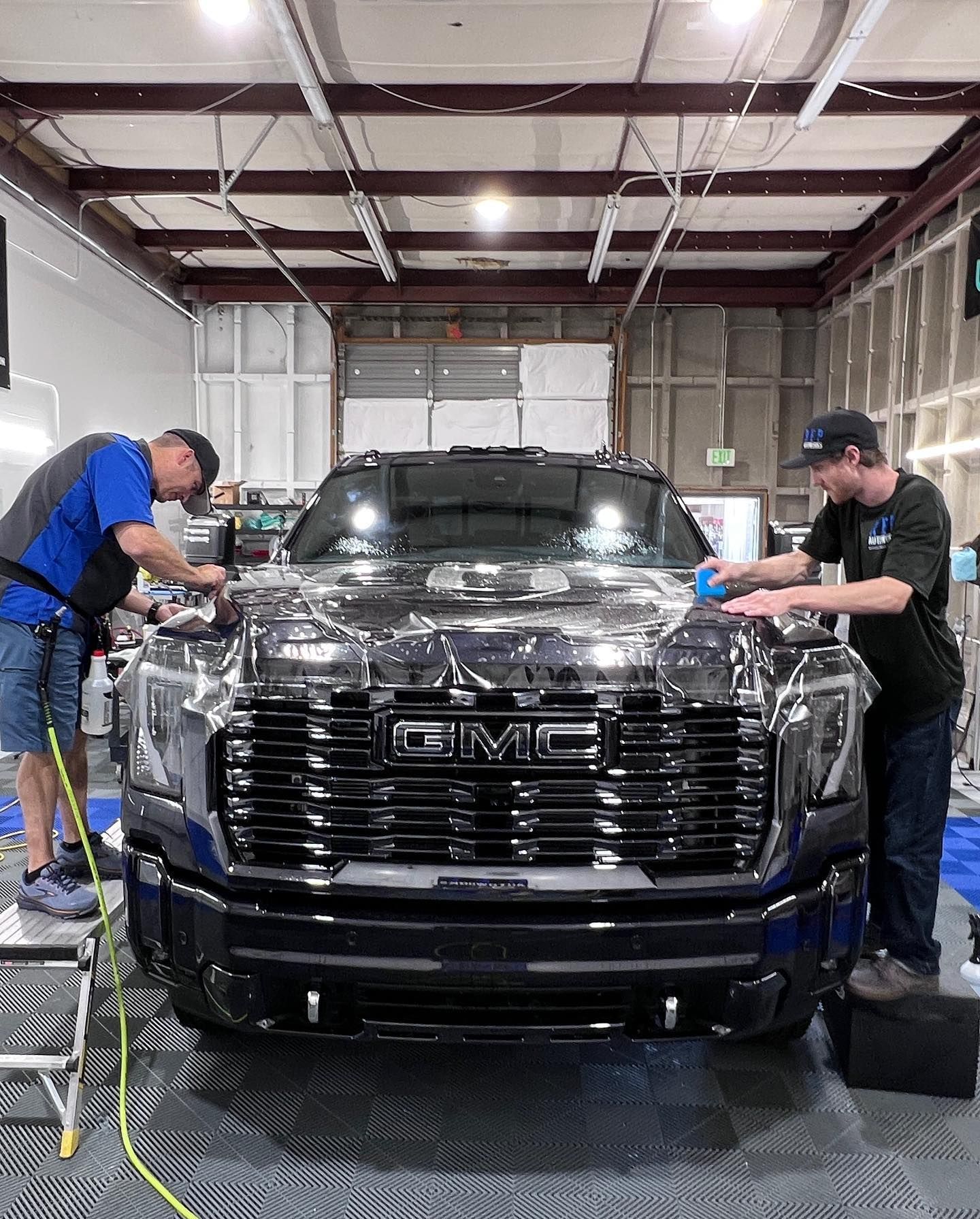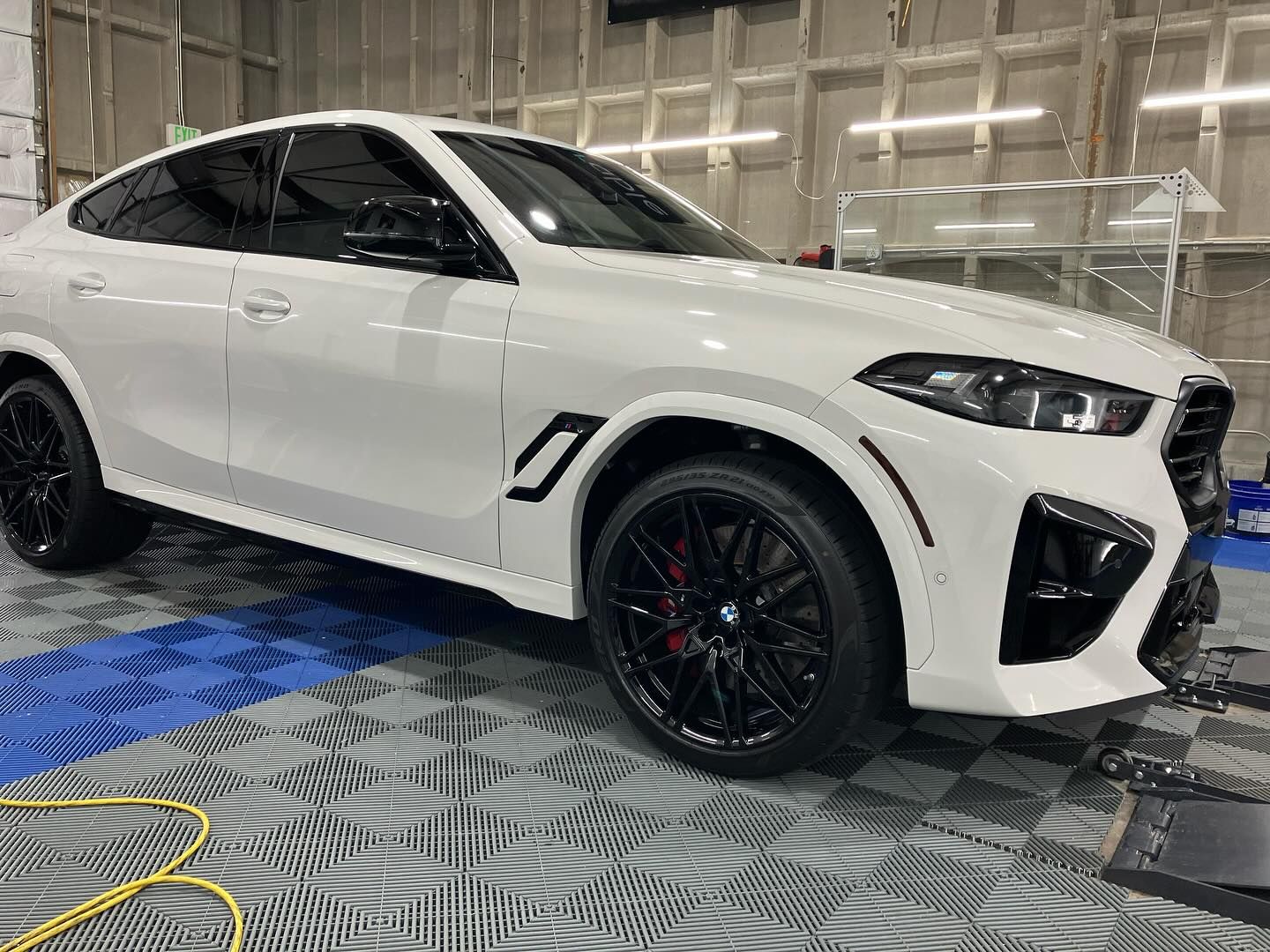
Can Ceramic Coating Prevent Water Spots in Castle Rock?
If you wash your car in the driveway on a sunny Castle Rock afternoon, you have probably seen what happens next. Small white rings show up on the hood, roof, and glass as the water dries. Water spots are a common frustration for Colorado drivers and a common reason people look into ceramic coating.
So, can a ceramic coating prevent water spots? The honest answer is that it reduces them and makes them easier to remove, but no coating makes a vehicle spot-proof. Below, we explain how Castle Rock drivers can get the best results from a coating in local conditions.
How a Ceramic Coating Handles Water on Your Car
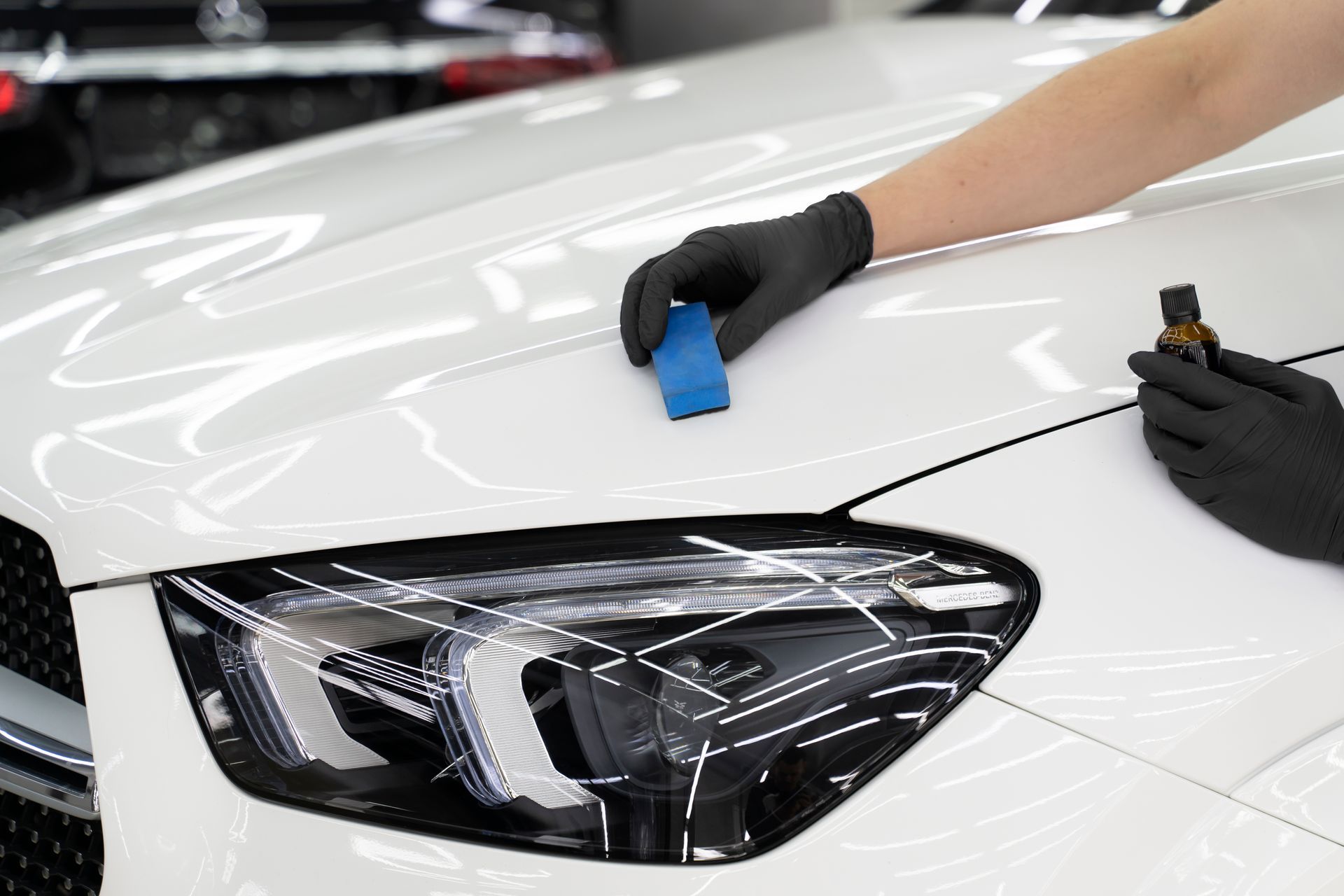

A professionally applied ceramic coating creates a hydrophobic surface. Water beads up and rolls off instead of sitting flat on the paint, so less of it stays behind to dry into spots. Dirt and road grime also have a harder time clinging, which makes washing easier.
What a coating cannot do is stop minerals from being left behind when water dries on the surface. If water evaporates on a coated car, it can still leave spots. The difference is that you start with a slicker, more resistant surface that is simpler to keep clean.
What Causes Water Spots on a Car?
Water spots form when water evaporates and leaves its dissolved minerals behind. The water is gone, but the calcium, magnesium, and other deposits stay on the surface.
Not every water spot is the same:
- Surface spots sit on top of the paint or coating and usually come off with a proper wash.
- Bonded spots have been left long enough, or baked on by heat, to grip the surface more firmly.
- Etched spots have eaten into the clear coat and leave a mark in the paint itself.
The longer a spot sits, especially in heat and direct sun, the harder it is to remove.
Ceramic Coating and Water Spots in Castle Rock: Why Local Conditions Matter
A few local conditions make water spots more likely here, whether your car is coated or not.
- Hard tap water: Castle Rock Water lists hardness settings for the town between 6.6 and 10.8 grains per gallon. Water from a hose, a driveway wash, or lawn sprinklers carries those minerals onto your paint.
- Dry air and strong sun: Colorado's dry climate and high-elevation sunshine make water evaporate quickly. Drops can dry on a warm panel before you have time to wipe them off.
- Rain and snowmelt: Rain is not clean water. It carries minerals and airborne dirt and leaves them behind as it dries. In winter, melting snow and road treatments add another layer of residue.
Water Beading vs Water Spots: What's the Difference?
Water beading and water spots get mixed up a lot, but they are not the same thing.
Water beading is the coating doing its job. Water pulls into tight, round beads and rolls off the surface, taking some dirt with it. Strong beading is a good sign that your coating is healthy.
Water spots are what's left when water dries in place. Beading reduces how much water stays on the car, but a bead resting on a flat hood or roof in direct sun can still evaporate before it rolls away. When that happens, it leaves a small mineral ring.
Put simply, beading is the defense, and spotting happens when water stays on the surface long enough to dry. A coating improves the first part. Your washing and drying habits control the second.
How Ceramic Coating Helps With Water Spots
A coating will not stop every spot, but it gives you real advantages:
- Less water stays on the car. Water beads and rolls off paint, trim, and wheels instead of sitting on the surface.
- Contaminants cling less. Minerals, dirt, and road grime have a harder time bonding to a coated surface, so routine hand washes remove more with less effort.
- Your clear coat gets a protective layer. The coating adds resistance to contaminants and water spots between the environment and your paint.
- Glass can be coated too. A coating on the windshield and windows helps water clear from glass the same way it does from paint.
What Ceramic Coating Cannot Do
We would rather set clear expectations up front:
- It won't make your car spot-proof. Water that dries on the surface can still leave deposits.
- Rain won't wash your car for you. Rainwater can leave mineral deposits, water spots, and staining, so hand washing is still needed.
- It won't remove existing spots or etching. A coating locks in the current condition of your paint. If spots have already etched into the clear coat, paint correction is used to reduce etching and other surface defects before the coating goes on. Here's more on why paint correction before ceramic coating matters.
- It isn't permanent. How long a coating lasts depends on your environment, washing habits, and the quality of the application. Mineral film can build up over time and make a coating seem less water repellent, which is why periodic maintenance matters.
- It doesn't stop rock chips or scratches. For impact protection, paint protection film is the better fit.
How to Prevent Water Spots on a Coated Car
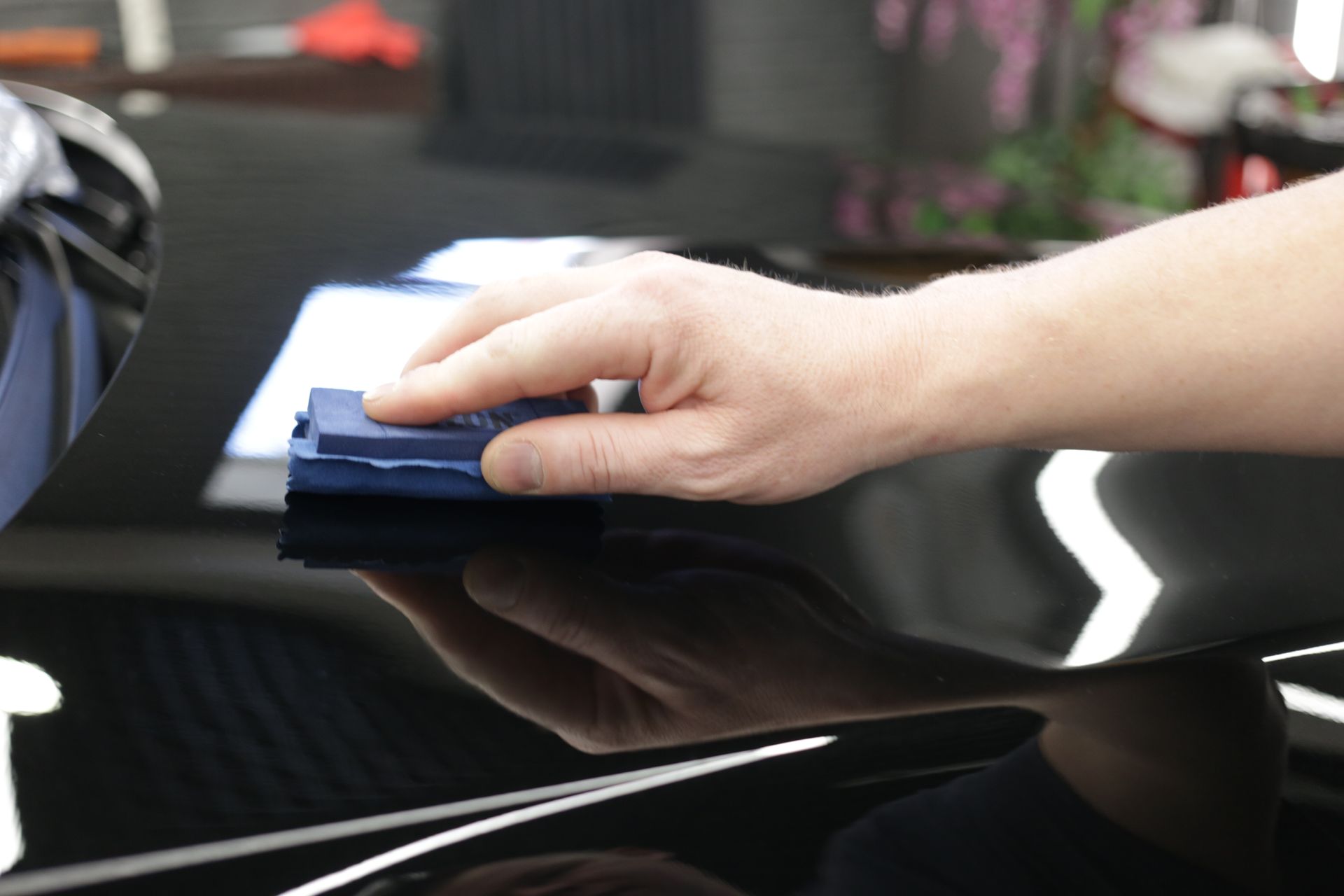
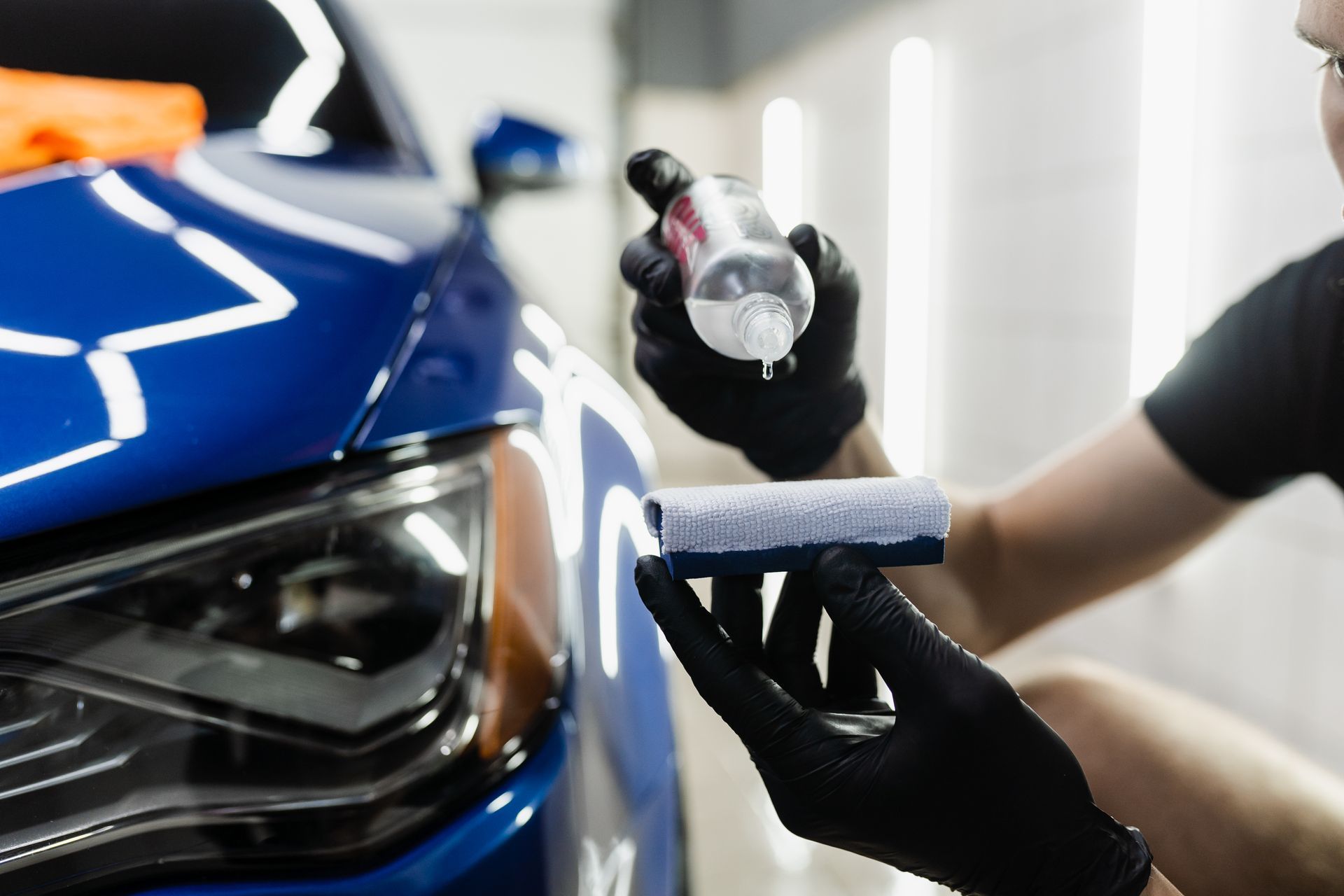
Good habits do most of the work. These are the ones we recommend:
- Wash in the shade or when panels are cool. Sun and heat dry soap and water before you can rinse and dry them.
- Hand wash with a pH-neutral car shampoo. Use the two-bucket method with a grit guard and a clean microfiber mitt.
- Never let the car air-dry. Use a soft, clean microfiber drying towel or filtered air.
- Dry the glass and flat panels first. The hood, roof, and trunk hold water the longest.
- Park away from lawn sprinklers when you can.
- Wash off rain residue and winter road grime regularly instead of leaving it on the paint.
- Skip automatic car washes, wax, and abrasive polishes. They can scratch, strip, or mask the coating.
For more on this, read our guide to ceramic coating maintenance mistakes.
Are you tired of chasing water spots on your car in Castle Rock?
Ceramic coating cannot prevent water spots completely, but it reduces how much water stays on your car and makes spots easier to remove. In Castle Rock, where hard water, dry air, and strong sun all speed up spotting, that makes everyday care simpler.
A coating works best when it is paired with good habits: wash in the shade, dry the car by hand, and don't leave rain or road grime sitting on the paint. If spots have already etched the clear coat, deal with that before any coating goes on.
Have questions about ceramic coating? Contact Rep Autoworks or call 303-818-7742.
Frequently Asked Questions
Will ceramic coating stop water spots completely?
No. It reduces how much water stays on the car and makes spots easier to remove, but water that dries on the surface can still leave mineral deposits.
Can ceramic coating remove water spots that are already there?
No. A coating seals in the current condition of your paint. Existing spots and etching should be addressed before the coating is applied, often through paint correction.
Why does my coated car still get water spots?
Usually because water is drying on the surface from sun, sprinklers, rain, or air-drying after a wash. Mineral film can also build up over time and reduce water repellency. Periodic maintenance helps keep the coating performing.
Does ceramic coating help with water spots on glass?
Yes, when the glass itself is coated. A coating on the windshield and windows helps water bead and clear, which leaves less behind to dry into spots.