Can You Tint Car Windows in Winter? A Guide for Centennial Drivers
Cold mornings in Centennial lead a lot of drivers to assume window tint has to wait until spring. It doesn't. Window tinting in winter works when the job is done in a controlled space and the film is allowed to cure properly.
Below, we explain how we handle tint work at our shop, how curing works, and what to expect after your appointment.
Yes, you can tint your car windows in Winter
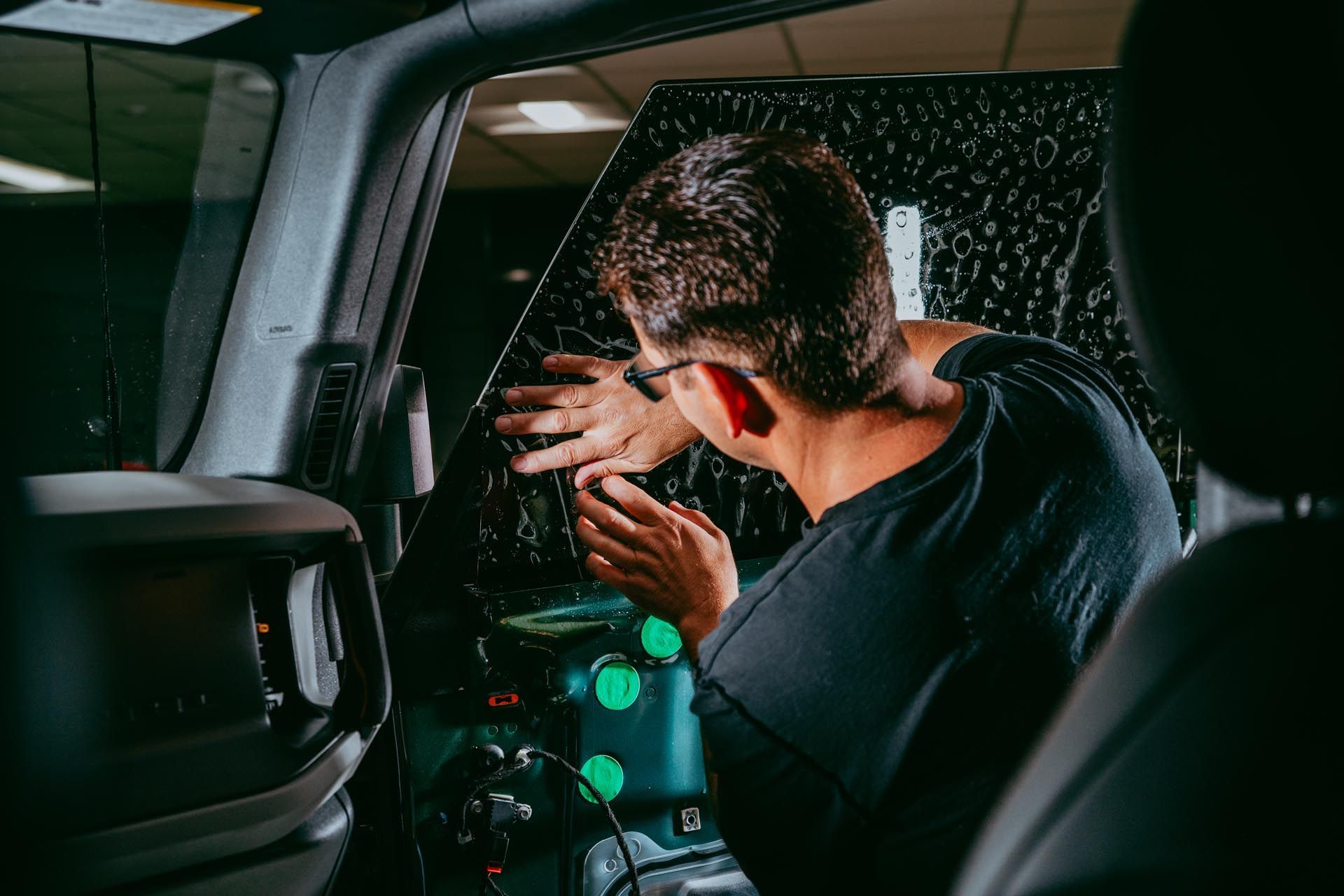
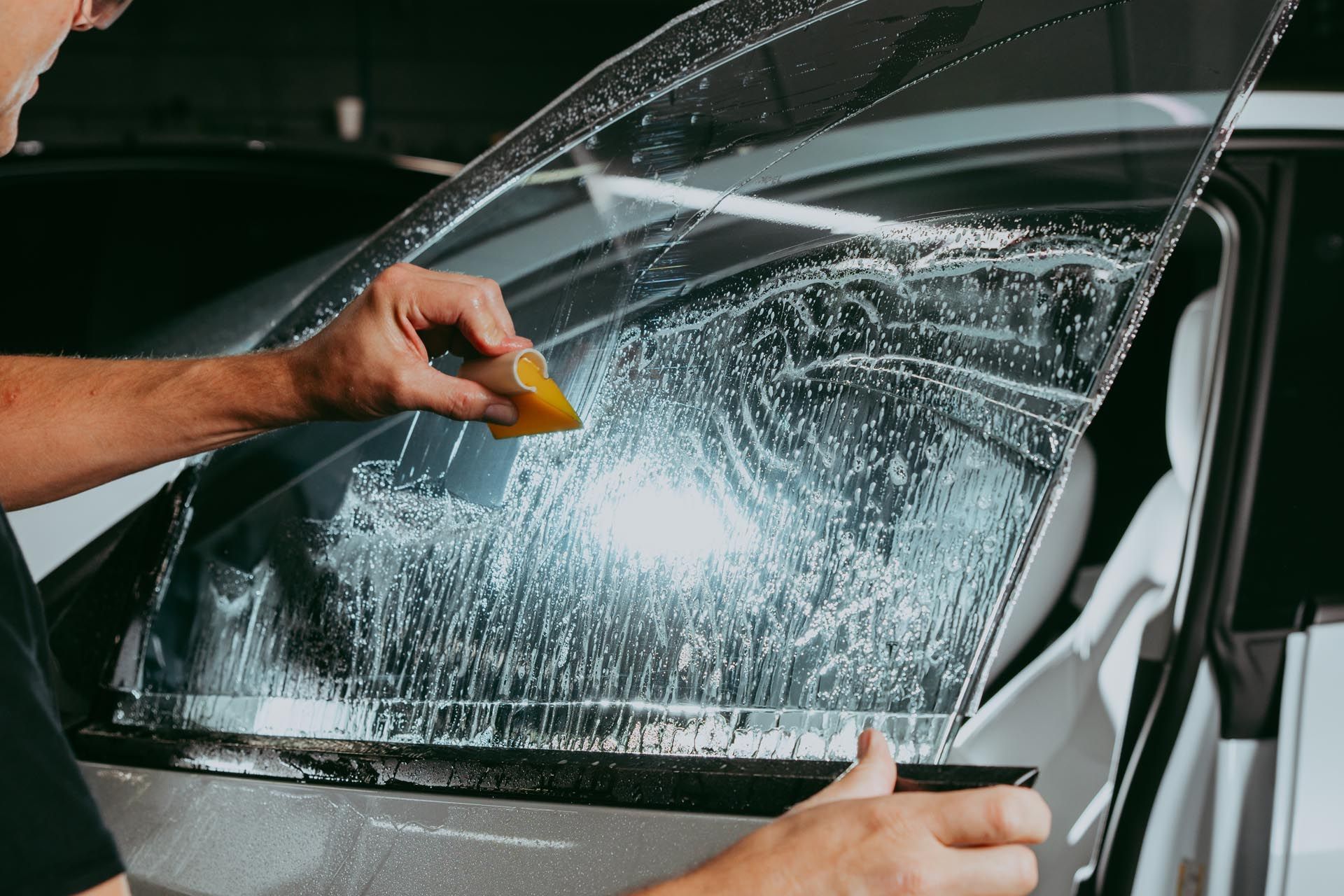
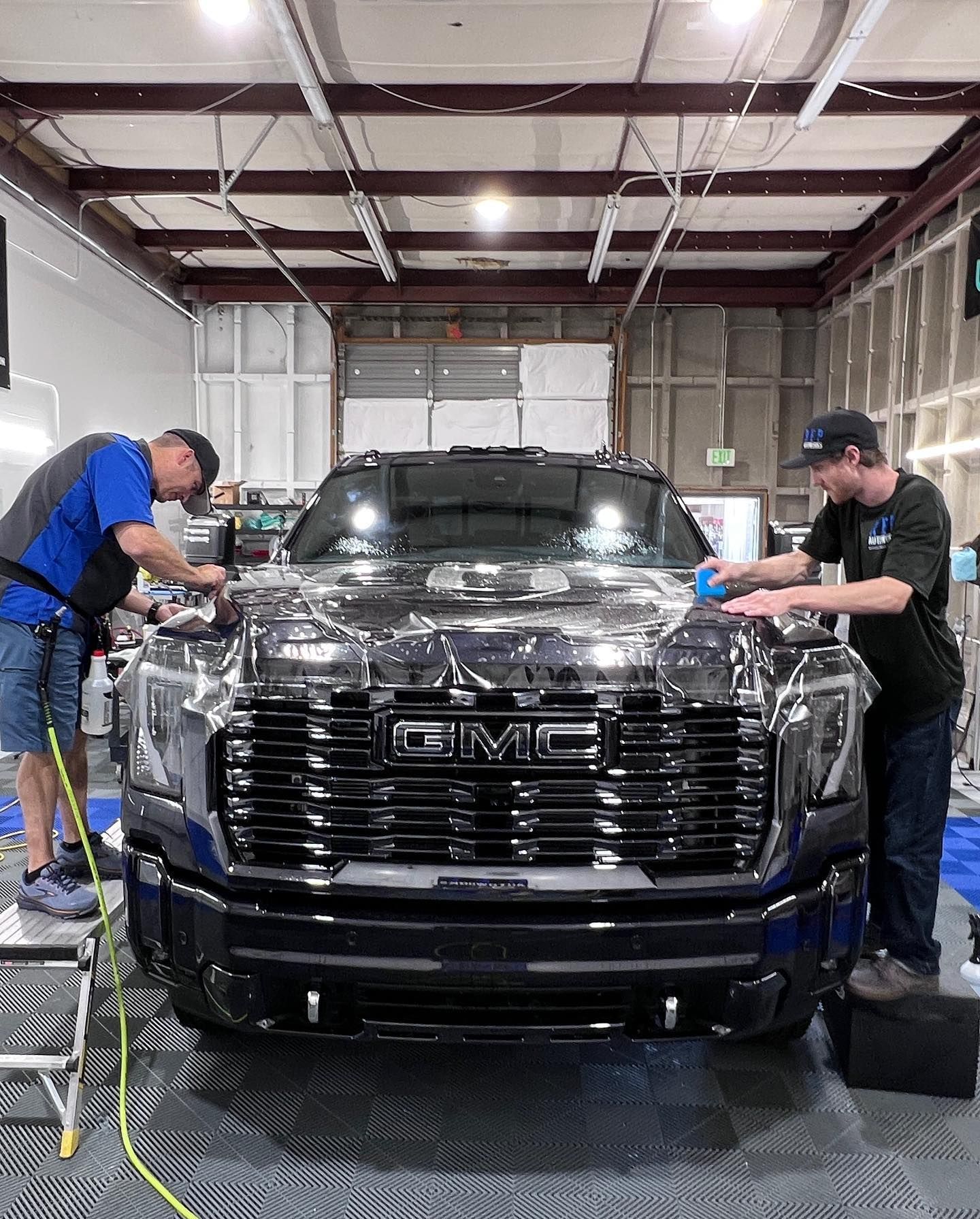
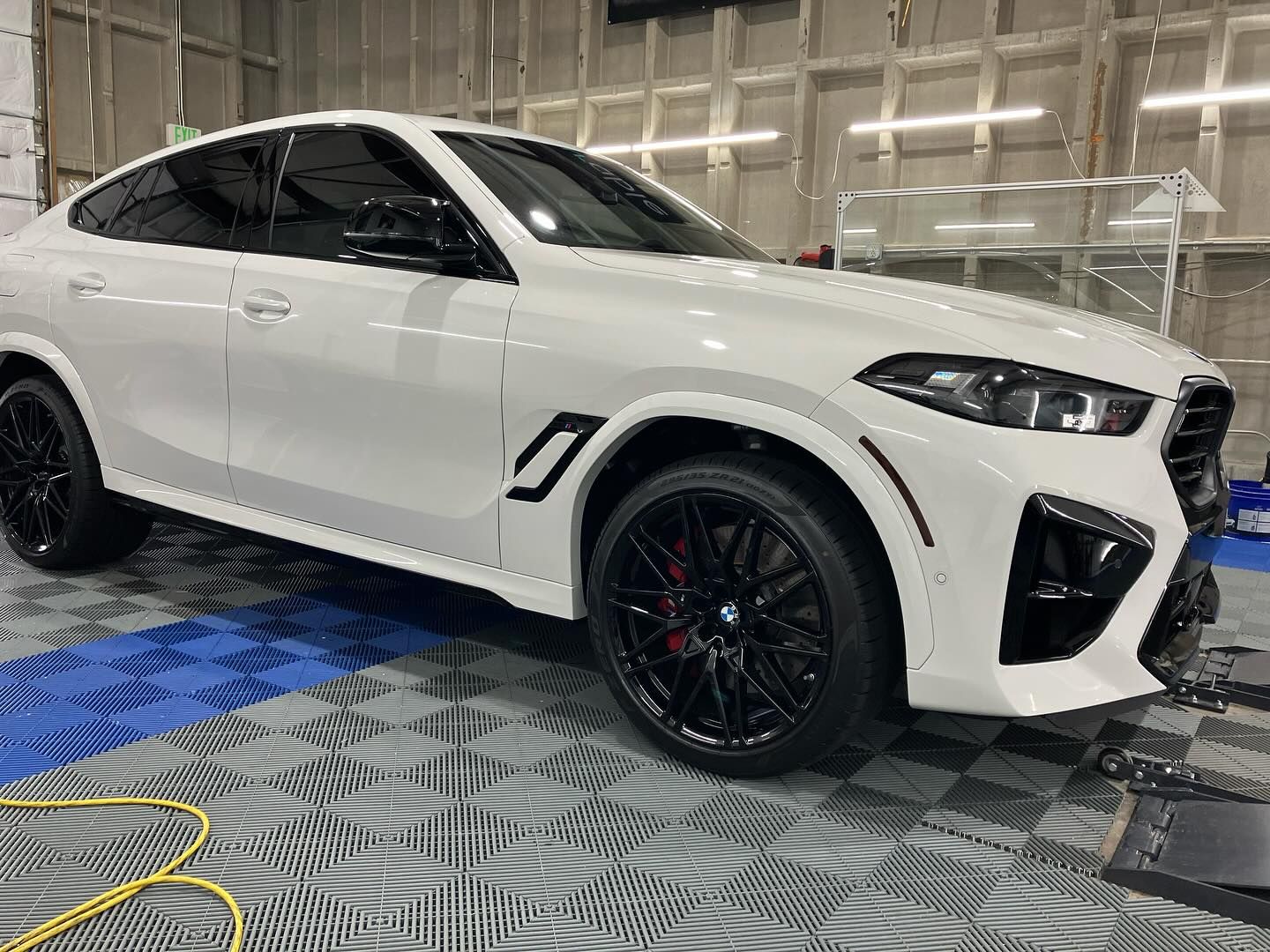
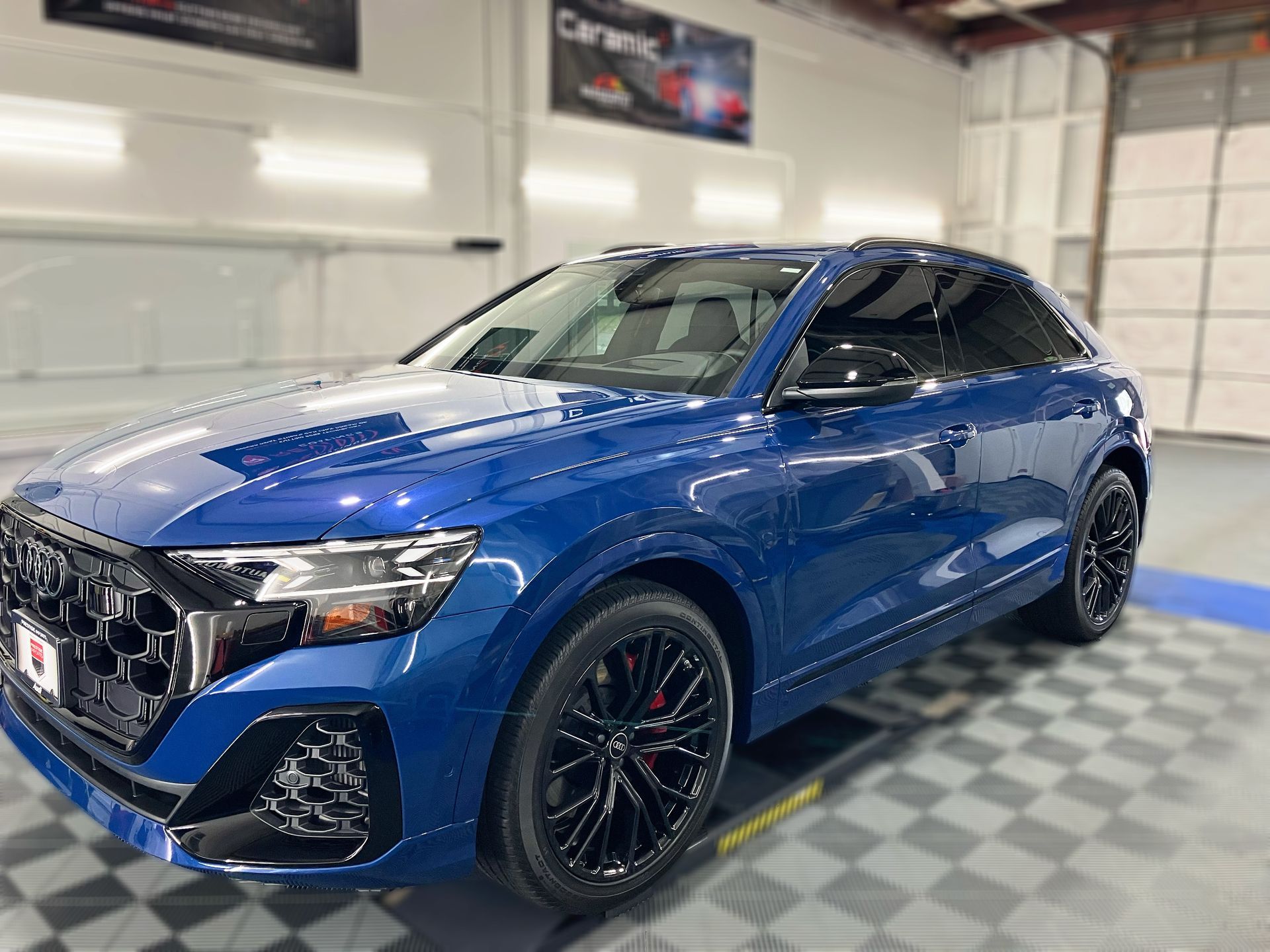
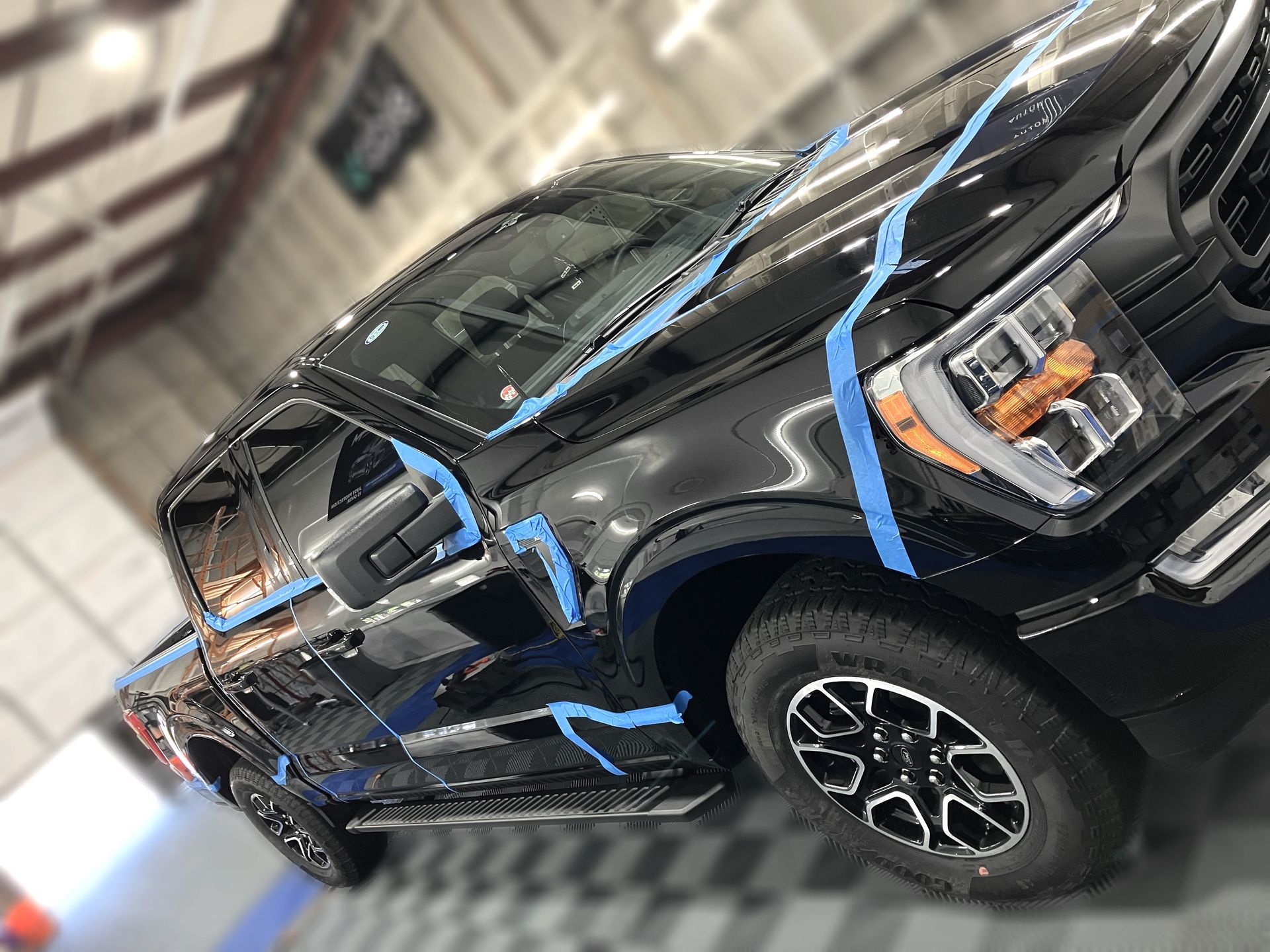
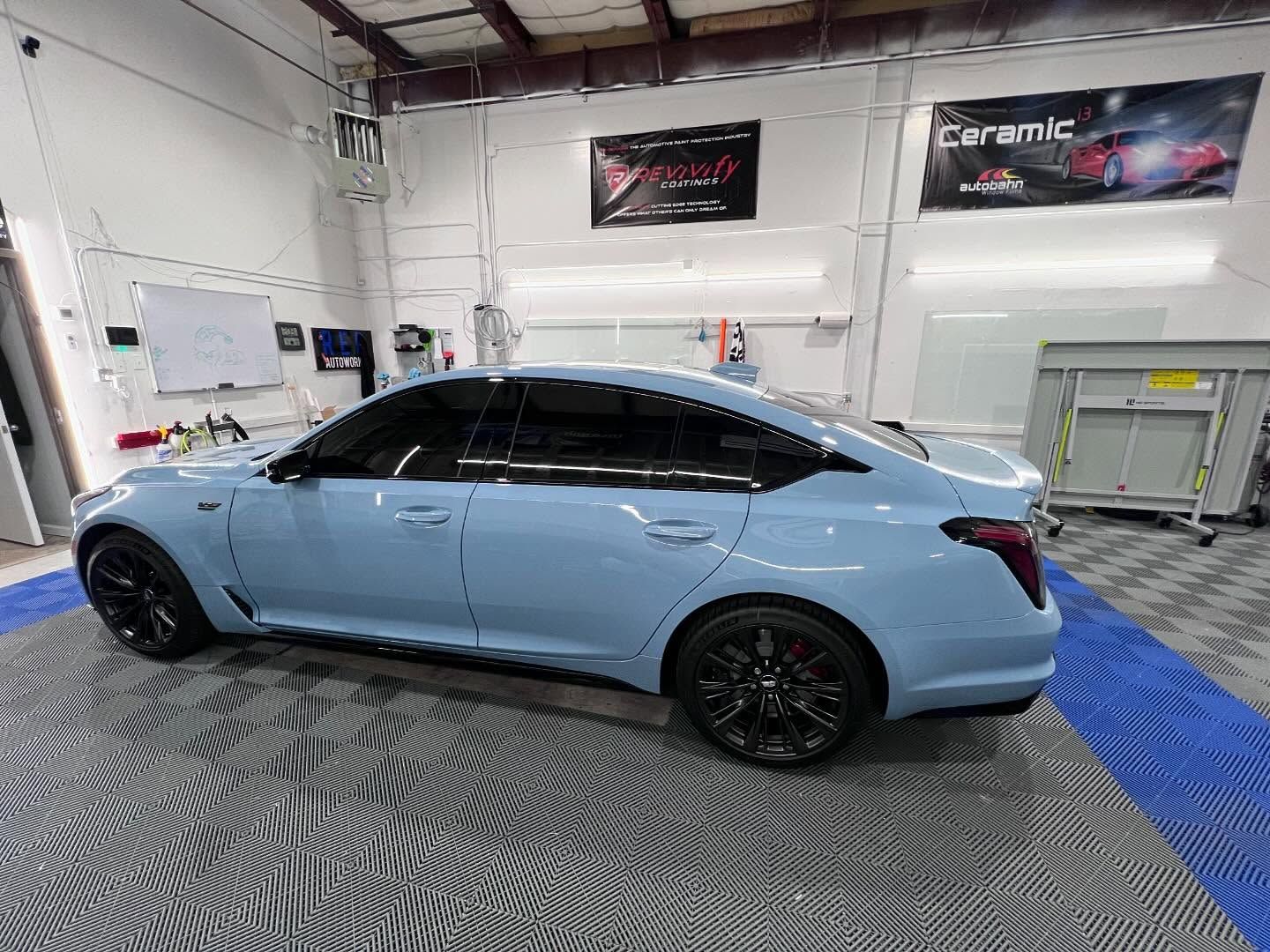
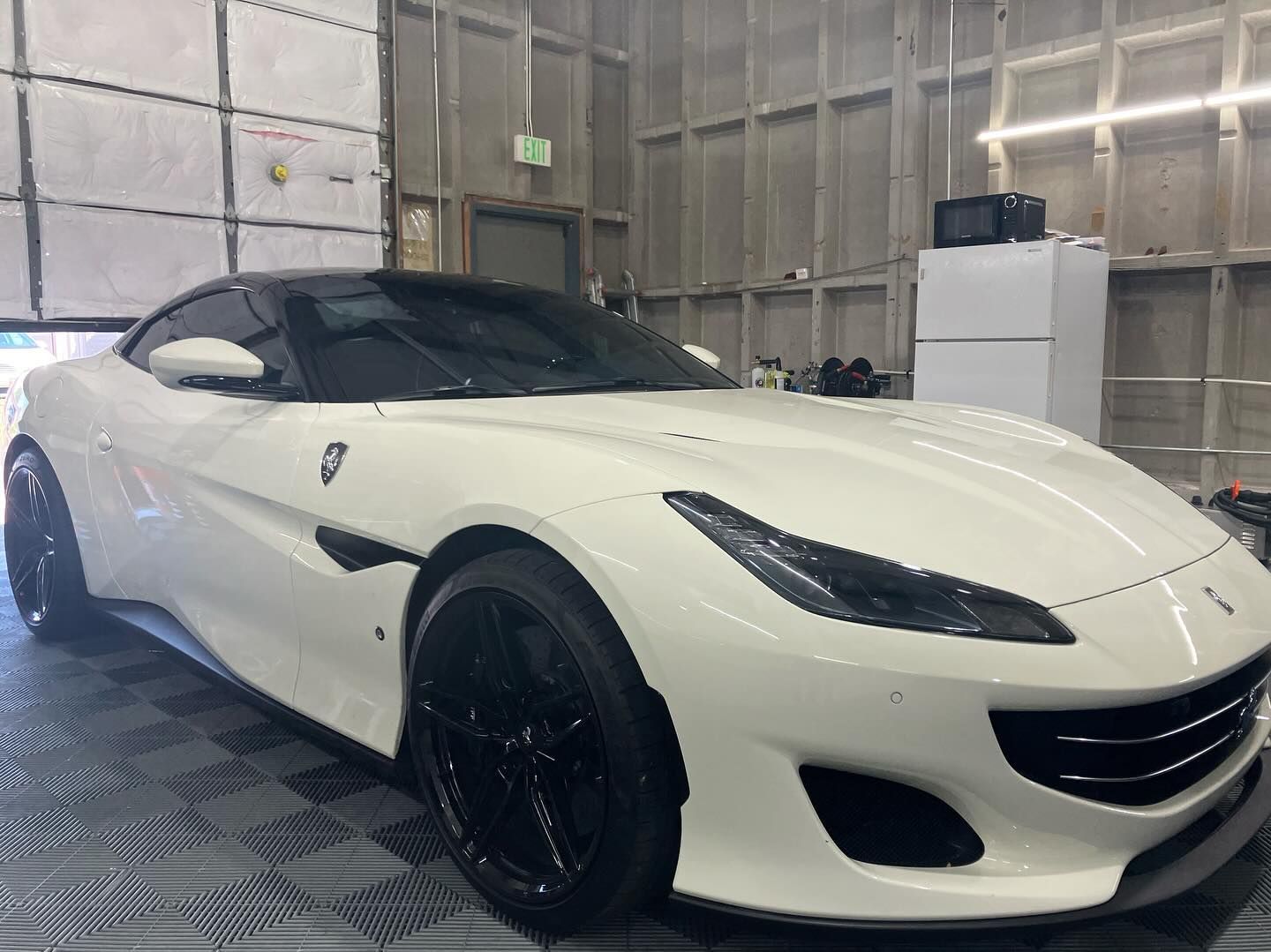
At Rep Autoworks, we complete tint work in our climate-controlled facility. That supports a cleaner application and more predictable curing, no matter what the weather is doing outside. Tint installed outdoors or in dusty spaces is more exposed to debris.
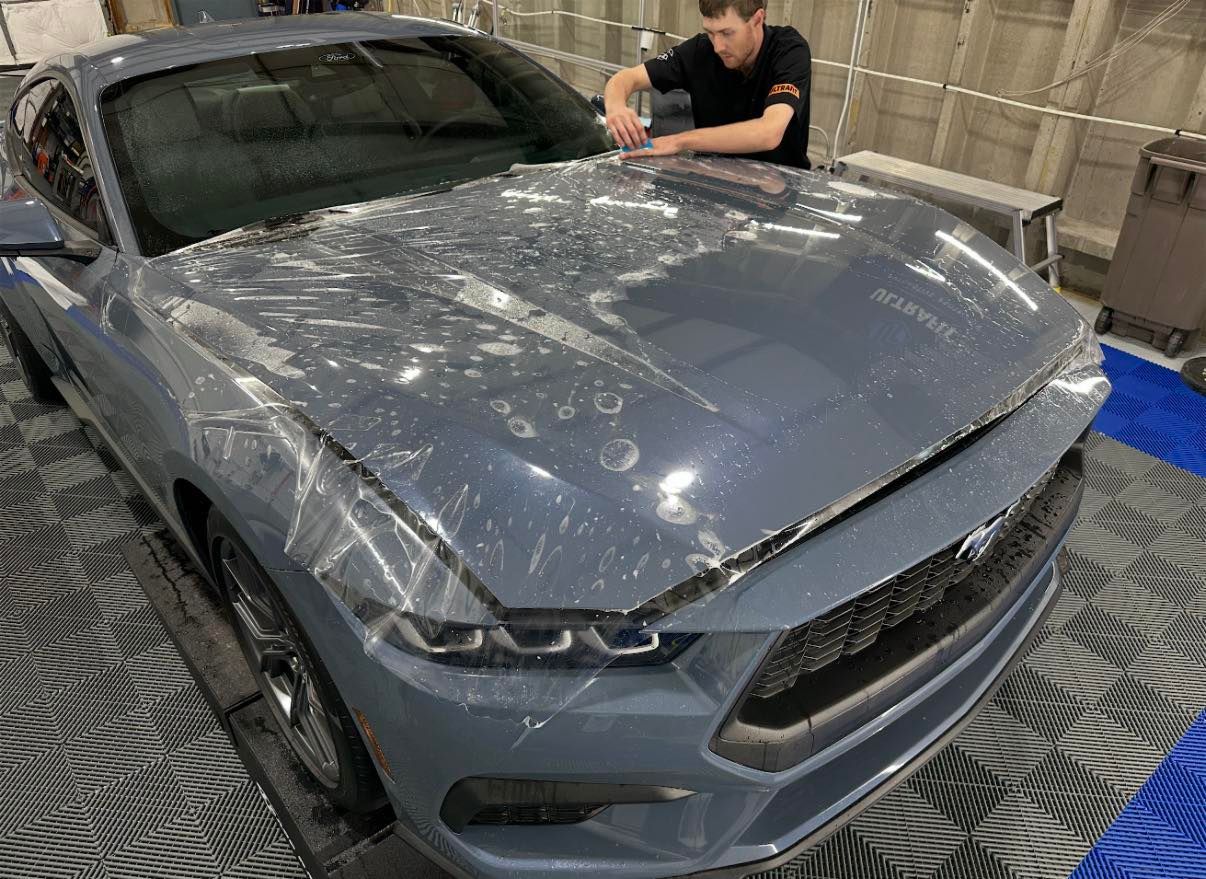
Every tint job follows the same process:
- Glass preparation, including the borders, so the adhesive can bond evenly
- Custom film fitting for your vehicle's glass
- Precise tint application
- Controlled curing in our climate-controlled facility
- A final quality inspection for clarity, fit, edge quality, and overall appearance
How Cold-Weather Tint Curing Works
Tint needs time to cure after it is applied. During that time, a small amount of moisture may remain beneath the film. This is normal, and these moisture pockets are temporary.
Pressing on them too early can interfere with the finish, so it's best to leave them alone. After installation, we let the tint cure properly in our climate-controlled facility. Proper curing helps prevent peeling, bubbling, and distortion.
How Weather Affects Curing Time
Curing time can vary with the film, the weather, and the conditions. Because there is no single timeline, aftercare guidance should come from your installer. When you pick up your vehicle, we'll explain what normal curing looks like and when it's safe to operate your windows.
It also helps to know the difference between normal curing and a problem. Temporary moisture pockets are part of curing. Permanent bubbles come from contamination, trapped air, or adhesive failure, and hazy patches are a sign of a flawed installation. Our post on why professional window tint installation prevents bubbling and peeling explains this in more detail.
Why Winter Window Tinting Makes Sense in Centennial, CO
Tint is often seen as a summer upgrade, but several of its benefits are just as useful in the colder months.
- Less glare: Shorter winter days mean more driving at dawn and dusk. Tint helps reduce glare from the sun and headlights, which improves driver focus and eye comfort, especially at dawn, dusk, and in the evening.
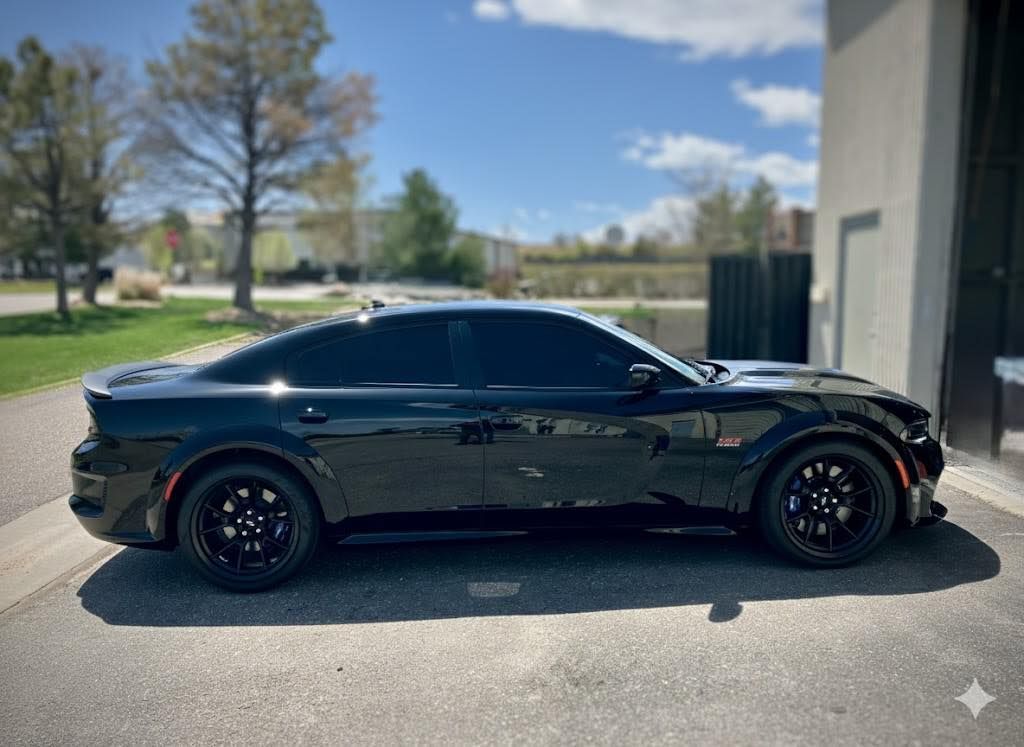
- UV protection: Tint helps block up to 99% of harmful UV rays, which helps reduce fading and cracking of leather, upholstery, and dashboards.
- Privacy: Tint makes it harder to see inside your vehicle. It is not a security guarantee, but it may help discourage opportunistic theft.
- Ready for summer heat: The film helps block a significant amount of infrared heat, which may reduce air conditioning use. Tinting in winter means it's already in place when warmer weather arrives.
How to Care for New Tint This Winter
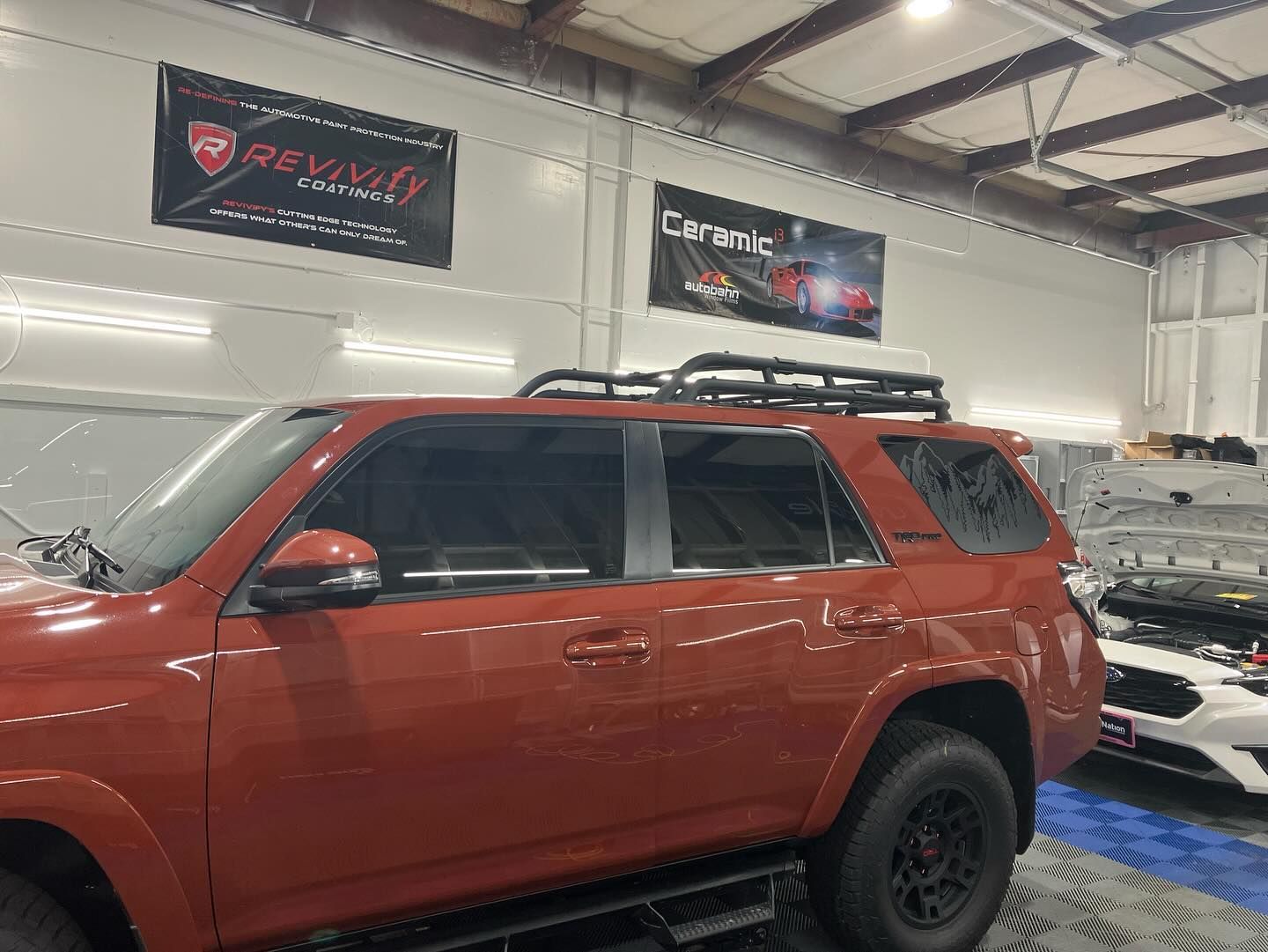
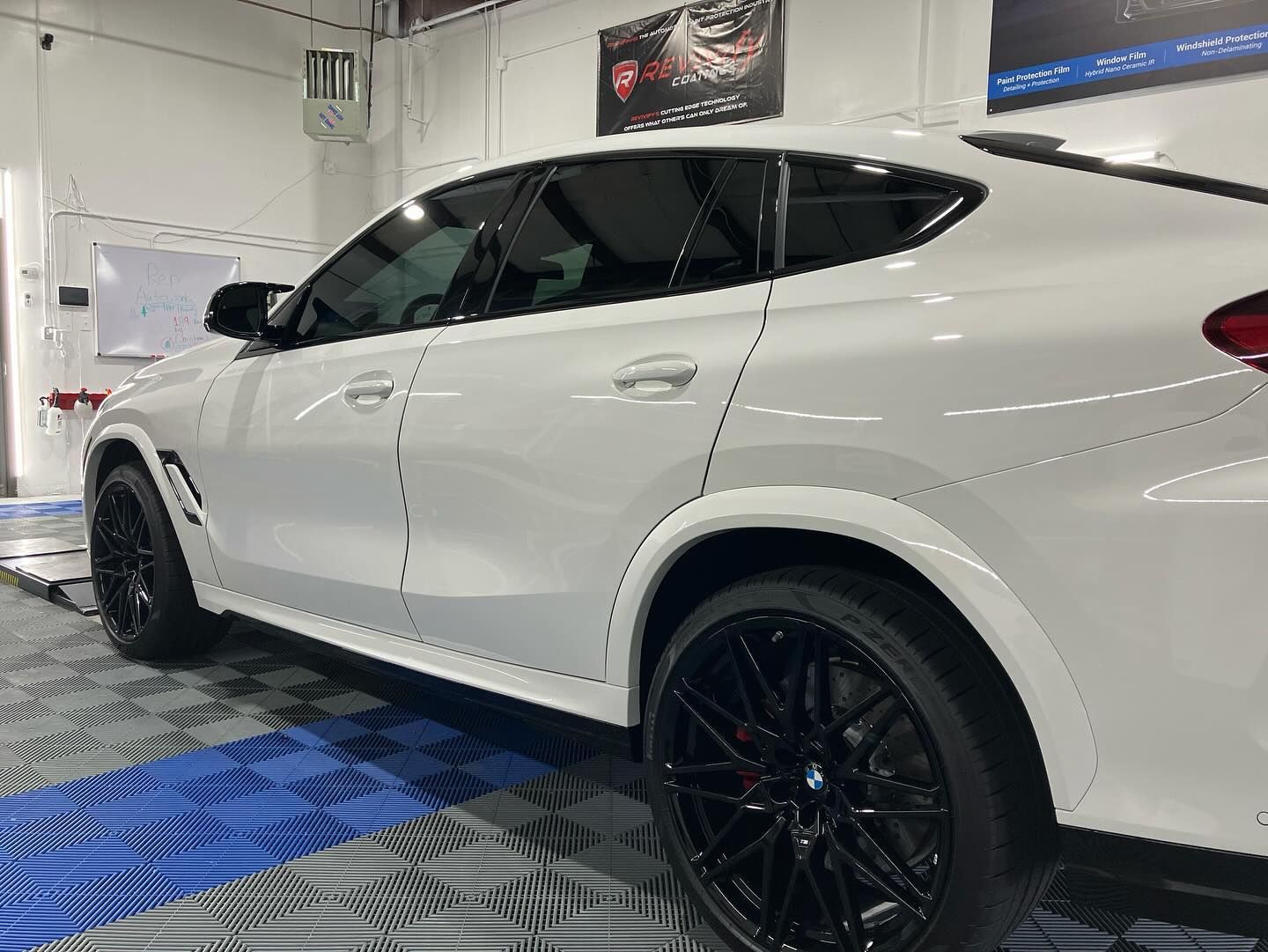
Following your aftercare guidance helps the new tint cure properly.
- Keep your windows up until we say it's safe: Lowering a window too soon may pull at a fresh edge.
- Leave moisture pockets alone: They are temporary, and pressing them too early can interfere with the finish.
- Don't clean the inside glass too soon: Give the film time to cure first.
- Call us if something doesn't look right: We'll let you know whether it's part of normal curing.
Choosing a Film and Shade
Colorado law allows window tinting on side and rear windows, with notable restrictions on how dark the tint can be. Windshields can only be tinted down to the AS-1 line or the top four inches. We stay updated on local regulations, and our guide on how to choose the right window tint percentage in Colorado covers shade options in more detail.
We offer four Autobahn window films. Infrared (IR) heat rejection increases as you move up the line:
- Autobahn Black: up to 13% IR heat rejection, with a focus on privacy and glare reduction
- Autobahn Black Ceramic: higher IR heat rejection than Autobahn Black, plus reduced UV exposure
- Autobahn i3: up to 93% IR heat rejection, with strong UV and glare reduction
- Autobahn i3+: IR heat rejection topping out at 99%, with equal UV resistance and added privacy
Autobahn offers a lifetime warranty on all window tint. Learn more on our Autobahn window tint page, compare film types in ceramic window tint vs carbon tint, or see your options on our window tint packages page.
FAQs
Is it too cold to tint my car windows?
We complete tint work in our climate-controlled facility, and the tint is allowed to cure properly there after installation. That keeps the process controlled, whatever the weather is doing outside.
How long does tint take to cure in winter?
Curing time can vary with the film, the weather, and the conditions. We'll give you aftercare guidance when you pick up your vehicle.
Will my tint bubble or peel?
Temporary moisture pockets can appear while tint cures. Permanent bubbles come from contamination, trapped air, or adhesive failure. Careful glass prep, precise application, and proper curing help prevent peeling, bubbling, and distortion.
How soon can I get my windows tinted?
We offer next-day window tint service for local clients. Our hours are Monday through Friday, 8:30 AM to 5:00 PM, and Saturday by appointment only.
Schedule Winter Window Tinting in Centennial
Window tinting in winter works when the job is done in a controlled space and the film is allowed to cure properly. You don't need to wait for warmer weather.
As Revivify certified installers, Autobahn certified dealers, and SEMA members, we have offered premium detailing and protection solutions since 1997. We serve drivers in Centennial, Greenwood Village, Littleton, Lone Tree, Highlands Ranch, the Denver Tech Center, and the greater Denver metro area.
Learn more about our window tinting in Centennial, request a free quote, or call us at 303-818-7742.