Can Snow Brushes Damage Your Paint? How Paint Protection Film Helps
When snow hits Centennial, most of us follow the same routine. Grab the snow brush, clear the car, and head out. It feels harmless, but that routine can slowly wear down your vehicle's finish. By spring, the hood, roof, and trunk can show fine scratches and swirl marks that weren't there in the fall.
So, can snow brushes damage your paint? Yes, they can. The good news is that most of that damage is preventable. Below, we explain how snow brush paint damage happens, how to clear snow more safely, and how paint protection film (PPF) protects your vehicle through a Colorado winter.
How Snow Brushes Damage Your Paint

The bristles alone are rarely the main problem. The damage usually comes from what gets trapped between the brush and your clear coat.
- Grit in the snow. Snow that sits on your vehicle often holds dirt, sand, and road grime. When you drag a brush through it, those particles scrape across the paint.
- Dirty bristles. A brush that rolls around the trunk or sits on the garage floor collects debris. Each pass pushes that debris into the finish.
- Stiff or worn bristles. Hard bristles, especially bent or frayed ones, can mark the surface on their own.
- Scraper slips. The ice scraper is meant for glass. If it slides onto the hood or roof, it can leave a scratch deeper than a swirl mark.
- Scrubbing down to bare paint. Trying to remove every last flake means more direct contact between the brush and the clear coat.
One pass won't ruin your finish. The problem is repetition. A full season of brushing adds up, and the panels you clear most (the hood, roof, and trunk) take most of the wear.
Colorado roads add to the problem. During winter storms, crews spread sand, gravel, and liquid de-icers, and passing tires kick that material onto your vehicle.
That grit can settle on your panels and end up under your brush. We cover this in more detail in our post on why Colorado roads make PPF worth considering.
How to Clear Snow Without Scratching Your Paint
Good habits go a long way. Here's how to lower the risk of snow brush paint damage every time you clear your vehicle:
- Choose a softer tool. A snow brush with a foam head or soft bristles is gentler on paint than stiff plastic bristles.
- Keep the brush clean. Store it in a bag or bin instead of loose in the trunk or on the garage floor. Knock off any debris before you use it.
- Push, don't scrub. Use long strokes that push snow off the panel. Avoid back-and-forth scrubbing.
- Clear the snow, not the paint. Remove snow from the roof, hood, and trunk so nothing slides onto your windshield or blows onto other drivers. You don't need to brush each panel down to a bare, dry surface.
- Keep the scraper on the glass. Use it only on windows and keep it away from painted surfaces.
- Let the defroster help. Run your defroster for a few minutes to loosen ice on the glass. Avoid pouring hot water on frozen glass, since it can crack.
- Wash regularly through winter. Less grit on the surface means less grit under your brush.
These steps reduce the risk, but they can't remove it. You can't always see what's hiding in the snow. That's where
PPF comes in.
How Paint Protection Film Helps With Winter Paint Protection
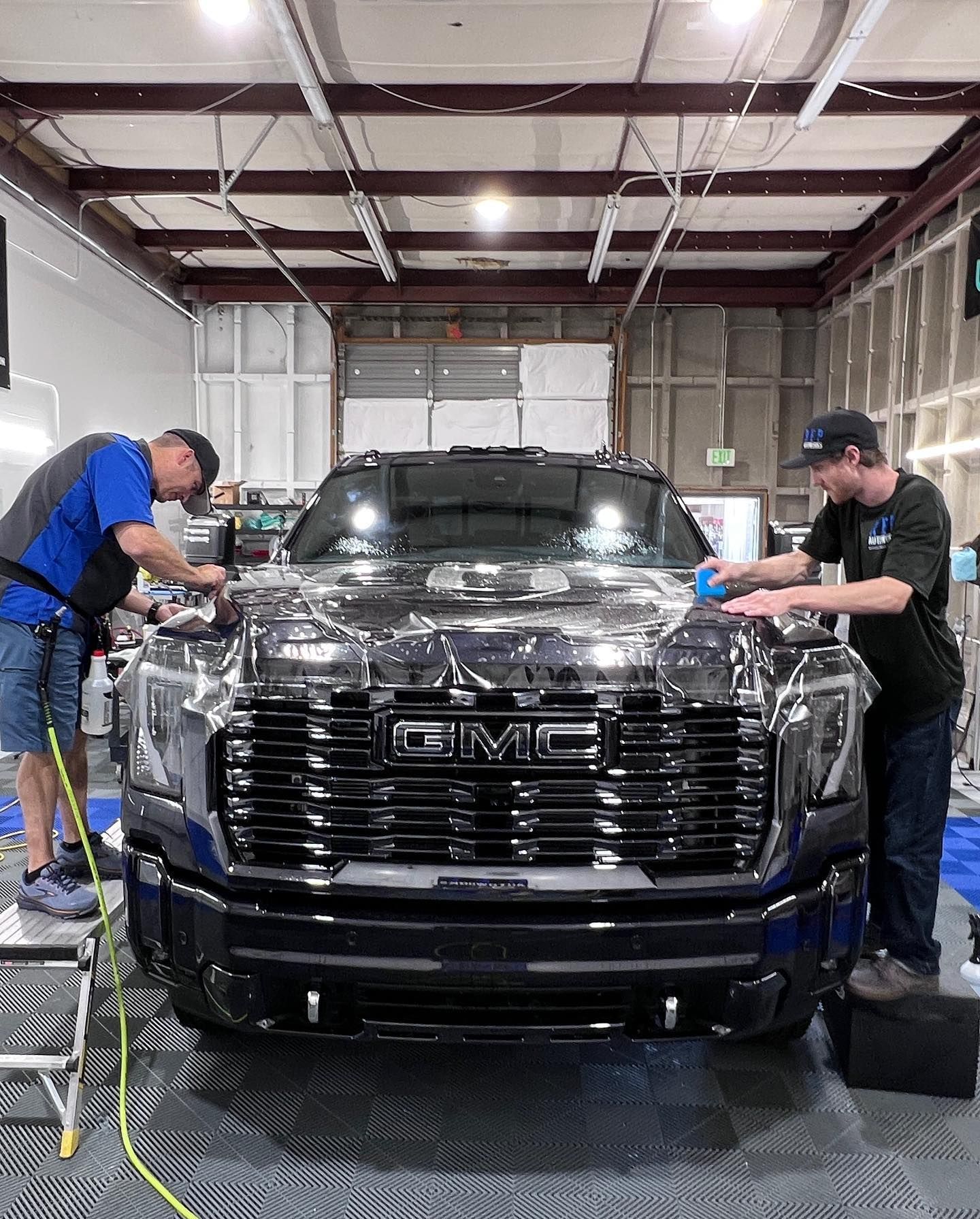
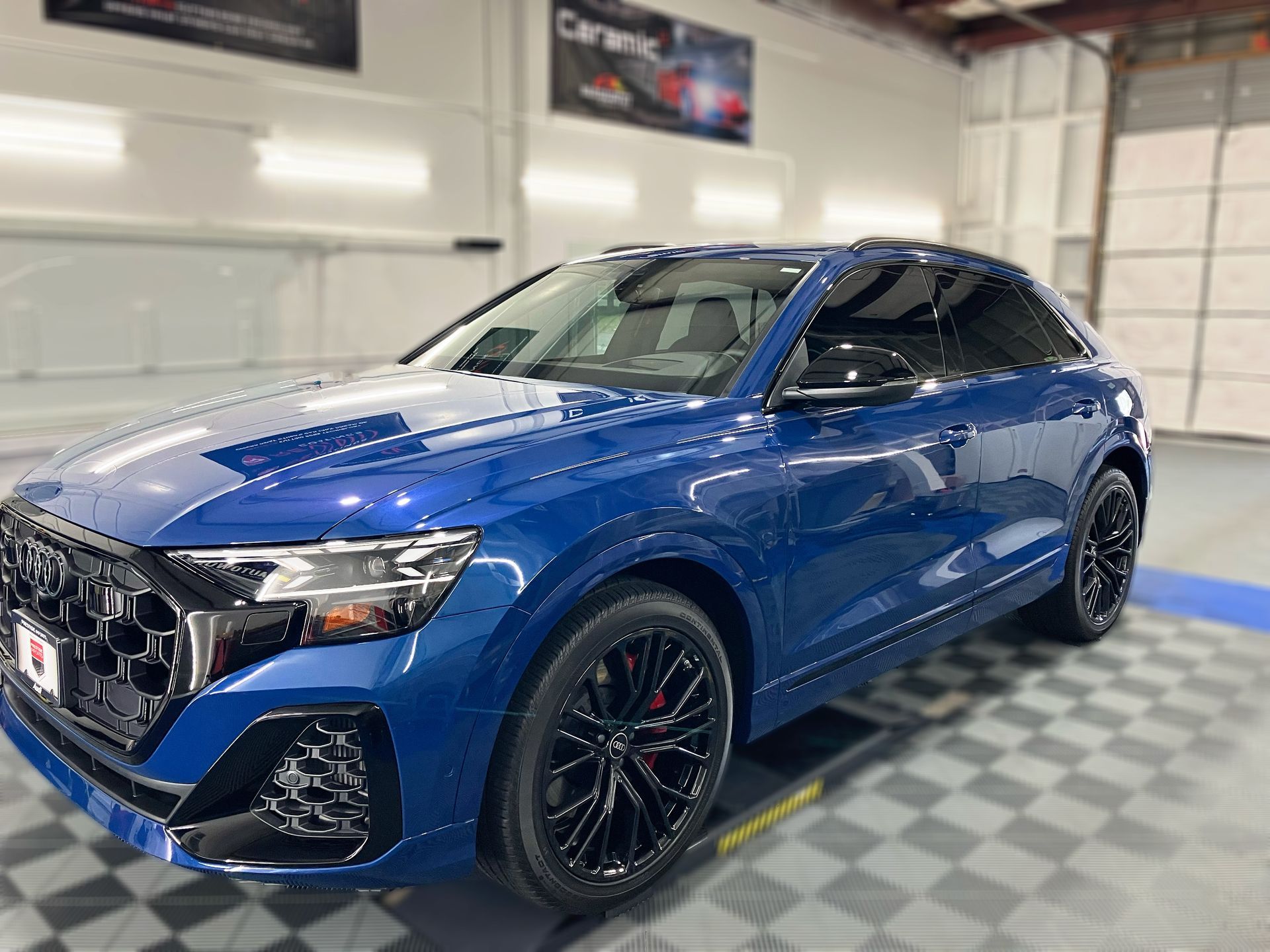
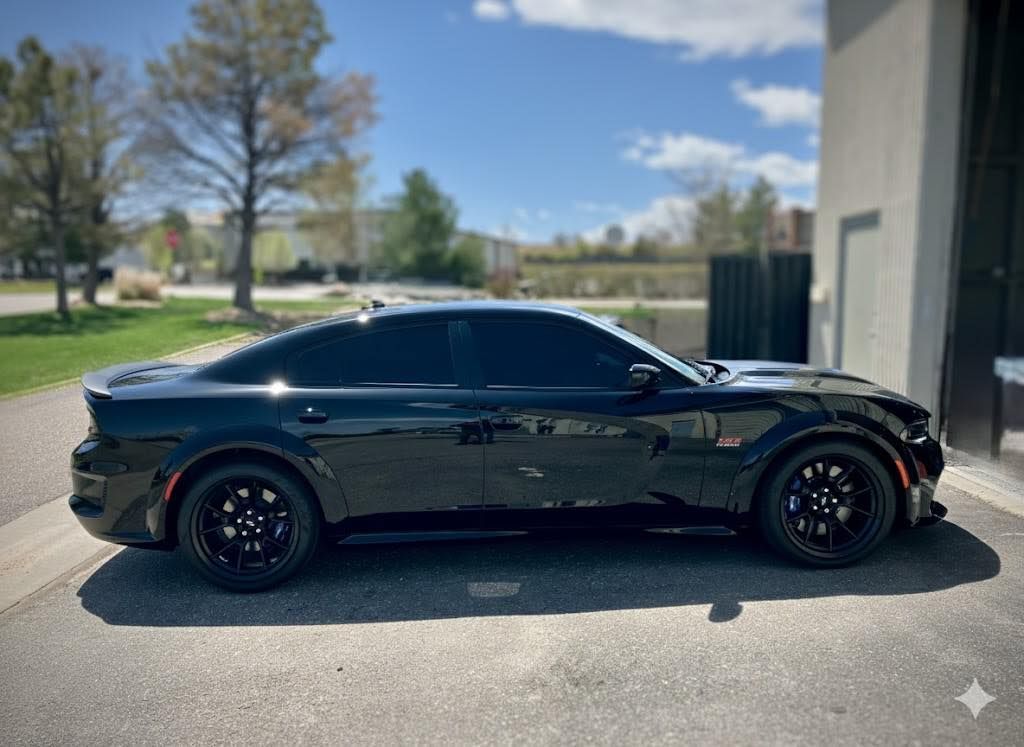
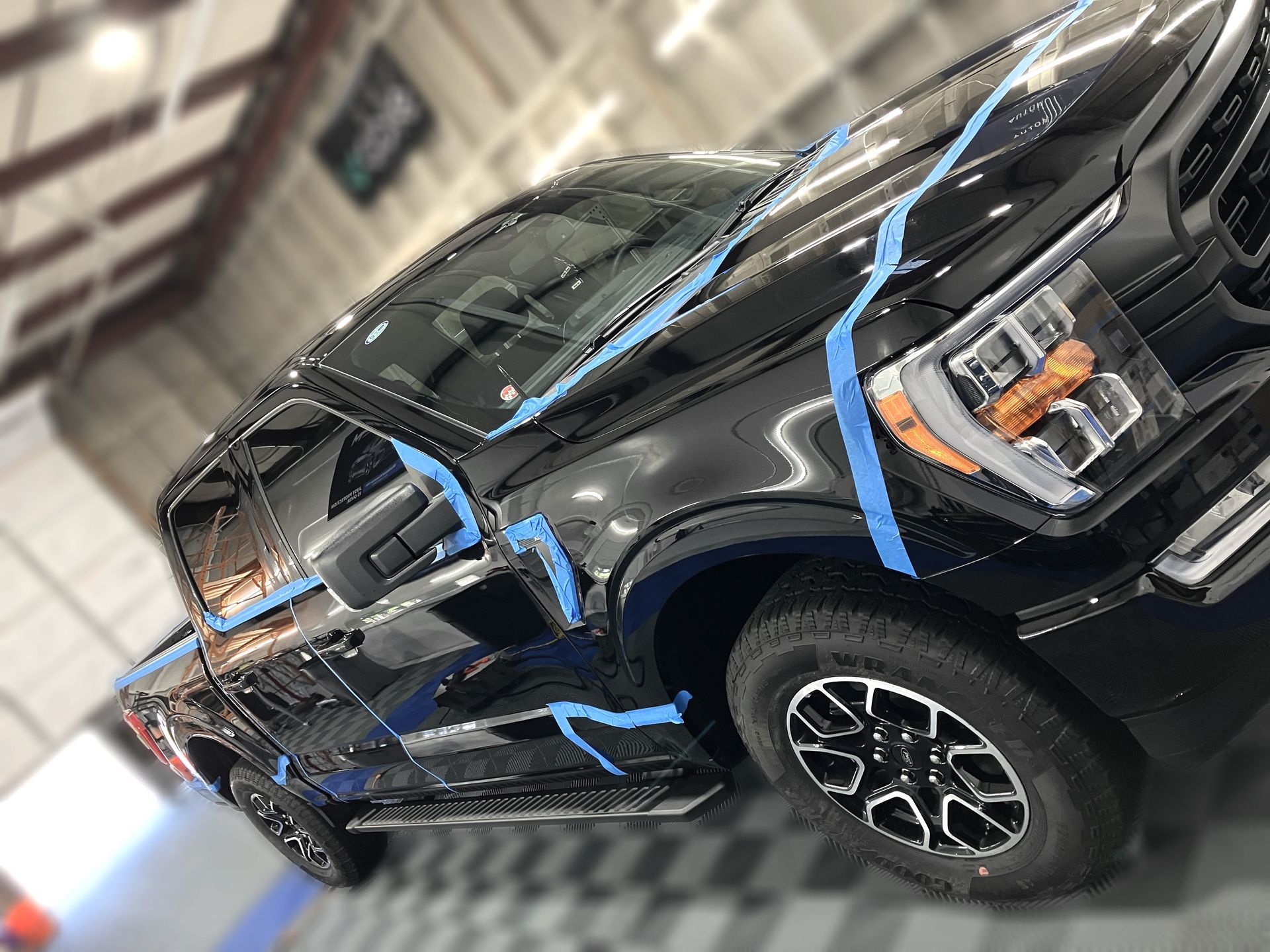
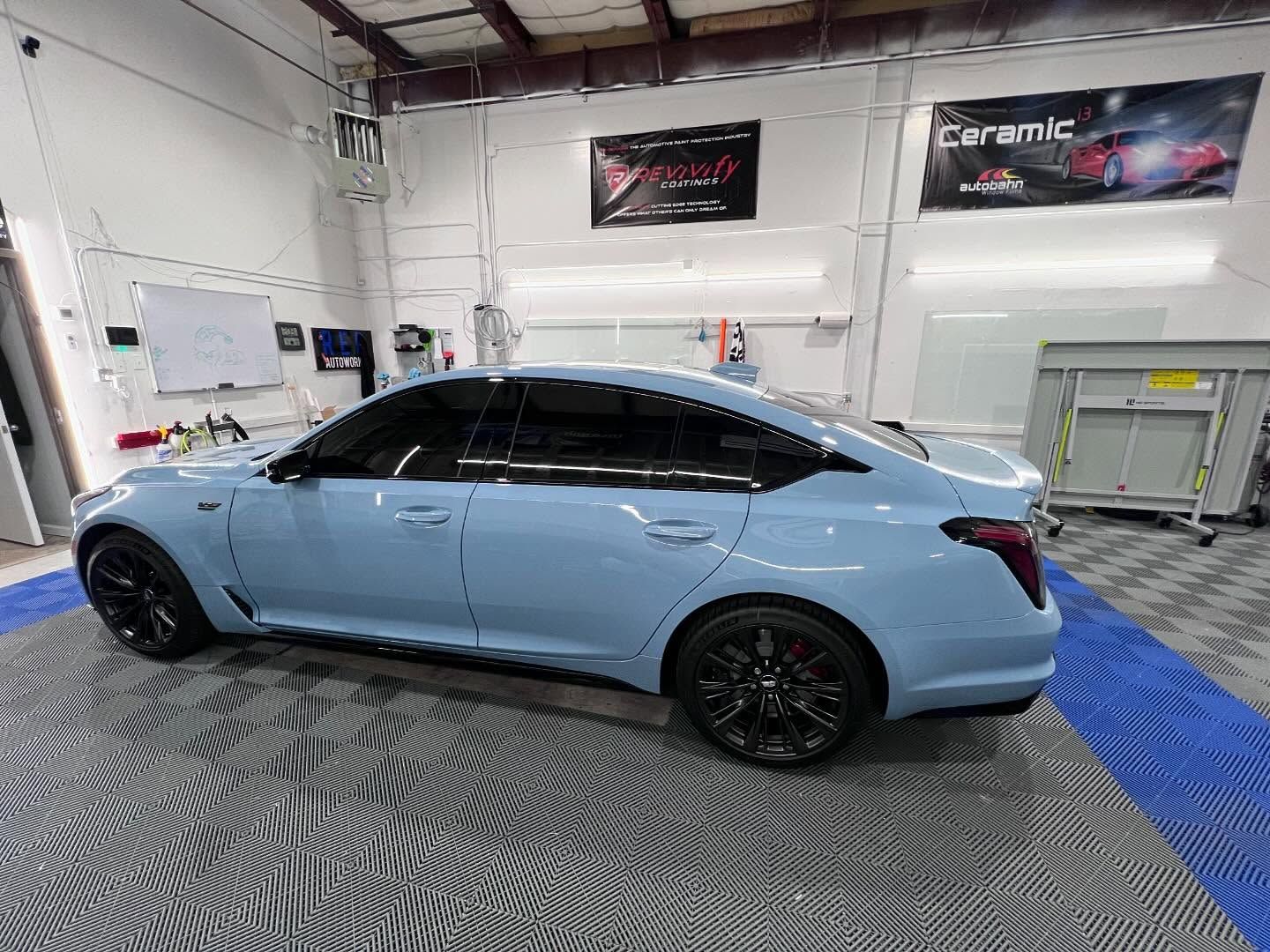
Paint protection film is a clear film hand-applied to your vehicle's painted panels. It sits between your paint and everything that touches it. When a brush drags grit across a protected panel, the film takes the wear instead of your clear coat.
Here's why PPF for winter driving makes sense:
- It guards against light scratches and swirl marks. Our film protects against swirl marks, light to medium scratches, and other minor imperfections. That's the exact type of wear a snow brush leaves behind.
- It has self-healing properties. Fine scratches and swirl marks in the film can disappear when exposed to heat, returning the surface to a smooth finish.
- It makes cleaning easier. Dirt and road grime stick less to the film. The Autobahn film we install also repels water, which makes washing easier and helps prevent water spots.
- It protects against road debris. The same film shields your paint from rock chips and debris kicked up on winter highways.
- It stays clear. Autobahn PPF is virtually invisible and UV-resistant, so it won't yellow over time.
As a certified Autobahn installer, we hand-apply the film to each panel and assess each vehicle's design before installation. Our process is designed to prevent bubbling, peeling, and uneven areas.
What PPF Can and Can't Do
We want you to know exactly what you're getting. PPF is a strong layer of protection, but it has limits.
- It isn't a license to scrape. Heavy force or an ice scraper can still cut or mark the film. The difference is that PPF can be removed and replaced without affecting the paint underneath. Damaged factory paint needs correction or bodywork.
- It doesn't fix existing damage. PPF protects the finish you have now. If your paint already shows swirl marks from past winters, paint correction can remove surface-level defects like swirl marks, light scratches, and scrapes before the film goes on. Deeper scratches that reach the base coat or metal need touch-up paint or bodywork.
- Ceramic coating is not a substitute. Ceramic coatings are not designed to protect against scratches or rock chips. For panels that take regular wear, PPF is the better solution. If you also want added gloss and easier cleaning, PPF pairs well with a ceramic coating.
Choosing PPF Coverage for Snow Brush Protection
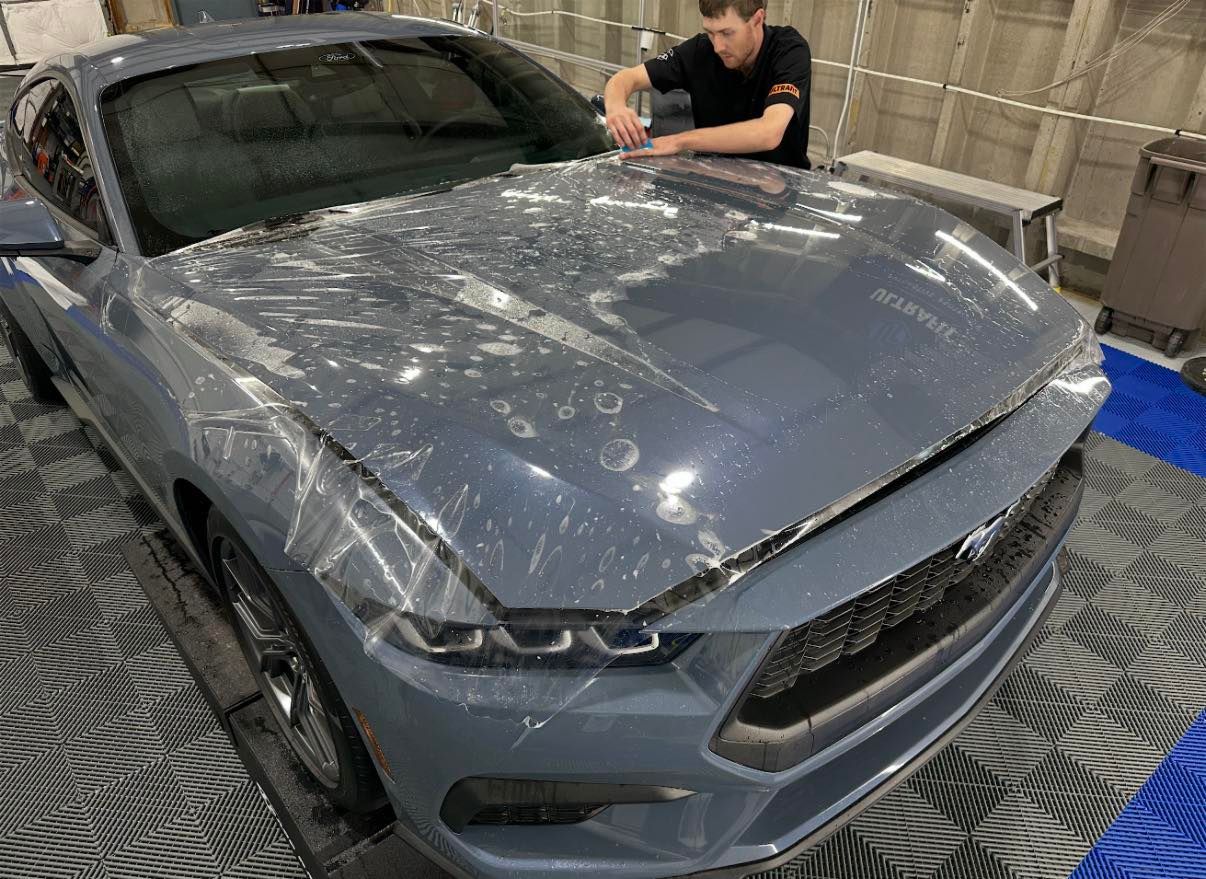

Where the film goes matters. Front-end coverage focuses on the areas hit by rock chips. Snow brushes, though, spend most of their time on the hood, roof, and trunk.
Here's what each of our PPF packages covers:
- Rocky Mountain: front bumper, partial hood, mirrors, and partial front fenders
- Full Front: front bumper, full hood, mirrors, and full front fenders
- Track: the full front end plus rocker panels, headlights, fog lights, A-pillars, the leading edge of the roof, and more
- Full Vehicle: front and rear bumpers, full hood, roof, trunk, all doors, rockers, headlights, and fog lights
If snow brush damage is your main concern, Full Vehicle is the only package that covers the full roof and trunk. If you mostly want protection from winter highway debris, a front-end package may be enough. Coverage is also customizable, so we can build a plan around how you drive and how you clear your vehicle. For a deeper look, read our guide on how much PPF coverage you really need.
Frequently Asked Questions
Can a snow brush scratch a car with ceramic coating?
Yes. Ceramic coatings are not designed to protect against scratches, so brushing a coated vehicle can still leave marks. PPF is the better choice for scratch protection.
Will PPF stop all snow brush scratches?
PPF takes the light scratches and swirl marks a brush can cause, and fine marks in the film can disappear with heat. Heavy force or a scraper can still damage the film. When that happens, the film can be replaced without affecting your paint.
Should I get paint correction before PPF?
If your paint already has swirl marks or light scratches, it's worth considering. PPF protects your current finish but doesn't repair it. Correcting the paint first means the film protects a cleaner surface.
How long does PPF installation take?
It depends on coverage. Our Rocky Mountain package takes about 3 to 4 hours, Full Front about 4 to 5 hours, Track about 7 to 8 hours, and Full Vehicle about 2 to 3 days.
Get Paint Protection Film in Centennial, CO, Before the Next Storm
Snow brush damage builds slowly, which is why it's easy to miss until spring. Better habits help, and PPF gives your paint a layer that takes the wear instead.
Rep Autoworks has been in business since 1997. We're certified Autobahn installers and SEMA members, and we install paint protection film in Centennial, CO for drivers across the Denver area. Pricing depends on your vehicle and the coverage you choose, so share your vehicle details with us for an accurate quote.
Request a free quote or call us at 303-818-7742.