Why Colorado Roads Make Paint Protection Film Worth Considering for New Vehicles
A new vehicle looks its best the day you bring it home. In Colorado, keeping it that way takes more than regular washing. A few weeks of commuting on I-25 or C-470 can leave small chips across the front bumper and hood, and that damage builds up with every mile.
That is why many drivers look into PPF in Centennial soon after buying a new car, truck, or SUV. Below, we explain what Colorado driving does to factory paint, how paint protection film works, and how to decide what level of coverage makes sense for the way you drive.
What Colorado Driving Does to New Paint
Colorado's roads and climate are tough on paint in ways that aren't always obvious at first.
Winter Traction Material
Road crews treat Colorado roads with sand, gravel, and liquid de-icers during winter storms. Snow melts, but the material stays on the road for weeks. Tires kick it up, and it hits the vehicles behind them. The front bumper, the leading edge of the hood, the side mirrors, and the lower panels take most of it.
Highway Speeds Around Centennial
Many Centennial drivers spend part of every day on I-25, E-470, or C-470. At highway speed, even a small stone hits hard enough to chip paint. Following trucks and construction traffic increases the amount of debris coming at your vehicle.
Mountain Trips
Weekend drives up I-70 or along mountain roads bring gravel shoulders, loose road surfaces, and work zones. A single trip can add several new chips to a vehicle that had none.
High-Altitude Sun
Colorado sits at a high elevation, and the sun here is intense for much of the year. Constant sun exposure wears on exposed surfaces over time.
None of this means you need to stop enjoying your vehicle. It just means Colorado paint faces more wear than paint in many other places, and it starts from the first day you drive.
Why a New Vehicle: Is It the Best Time to Install PPF?
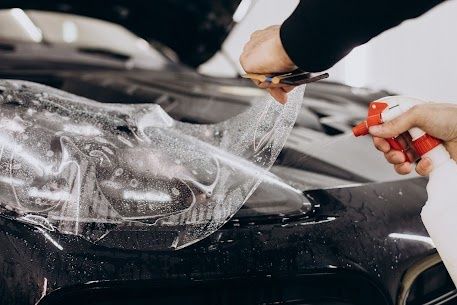
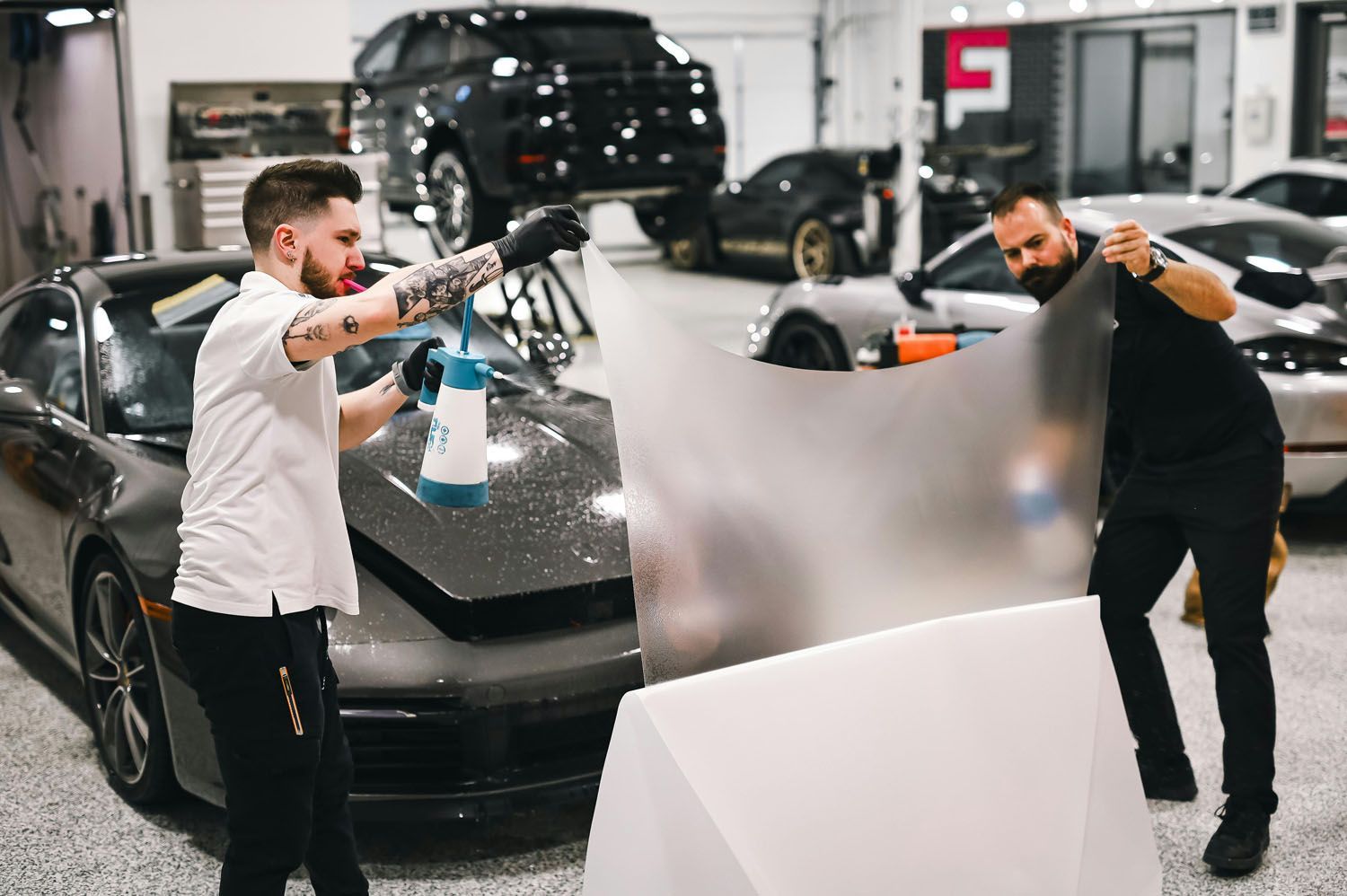
Paint protection film protects the finish underneath it. It does not erase damage that is already there. If a chip exists before the film goes on, it will still be under the film.
That is the main reason we suggest thinking about PPF when a vehicle is new. The factory paint is in its best condition, and the film helps keep it that way. Waiting a year on Colorado roads usually means starting with a finish that already has some wear.
For vehicles that already have light swirls or surface defects, our team can talk through paint correction as part of your plan.
How Paint Protection Film Works
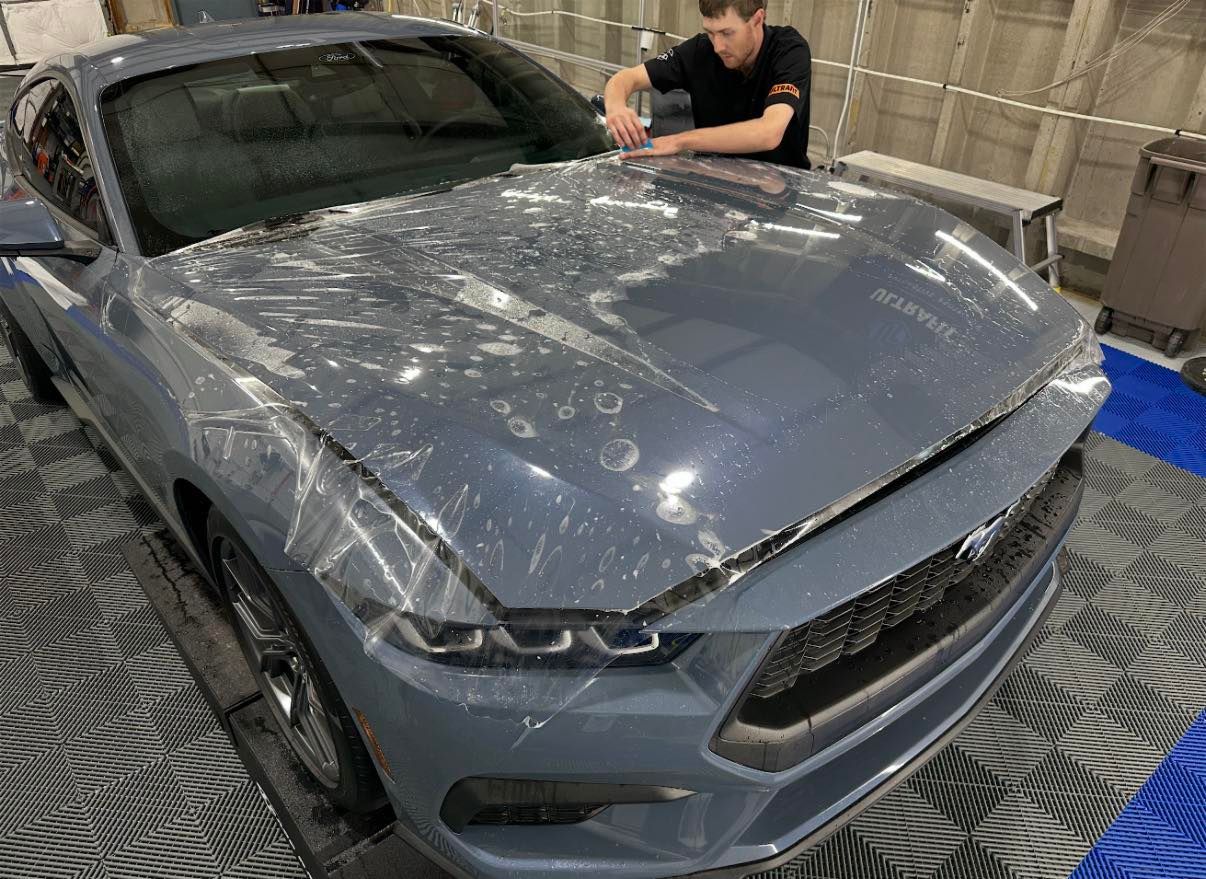
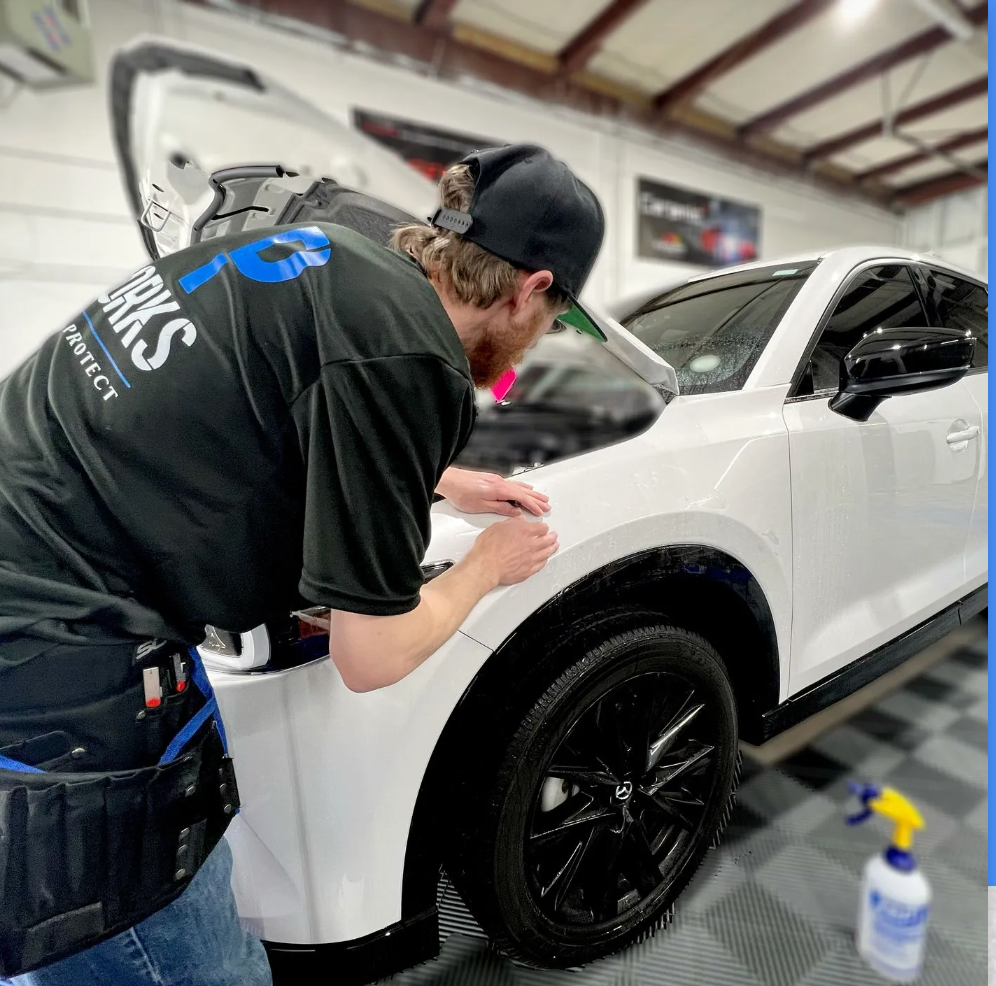
Paint protection film, also called clear bra, is a clear, flexible film custom fit to your vehicle's painted panels. It acts as a barrier between the paint and the hazards you encounter while driving. Here's what it offers:
- Protection from road debris. The film absorbs impacts from rocks and debris that would otherwise chip the paint.
- Self-healing properties. Minor scratches and swirl marks in the film disappear with exposure to heat.
- Nearly invisible appearance. High-quality film is optically clear and tailored to the contours of your vehicle, so it blends in with the original paint.
- Easier cleaning. Dirt, bug splatter, and bird droppings don't stick to the film as aggressively as they do to bare paint.
- UV resistance. The film brands we trust are made to resist UV rays, which helps prevent yellowing.
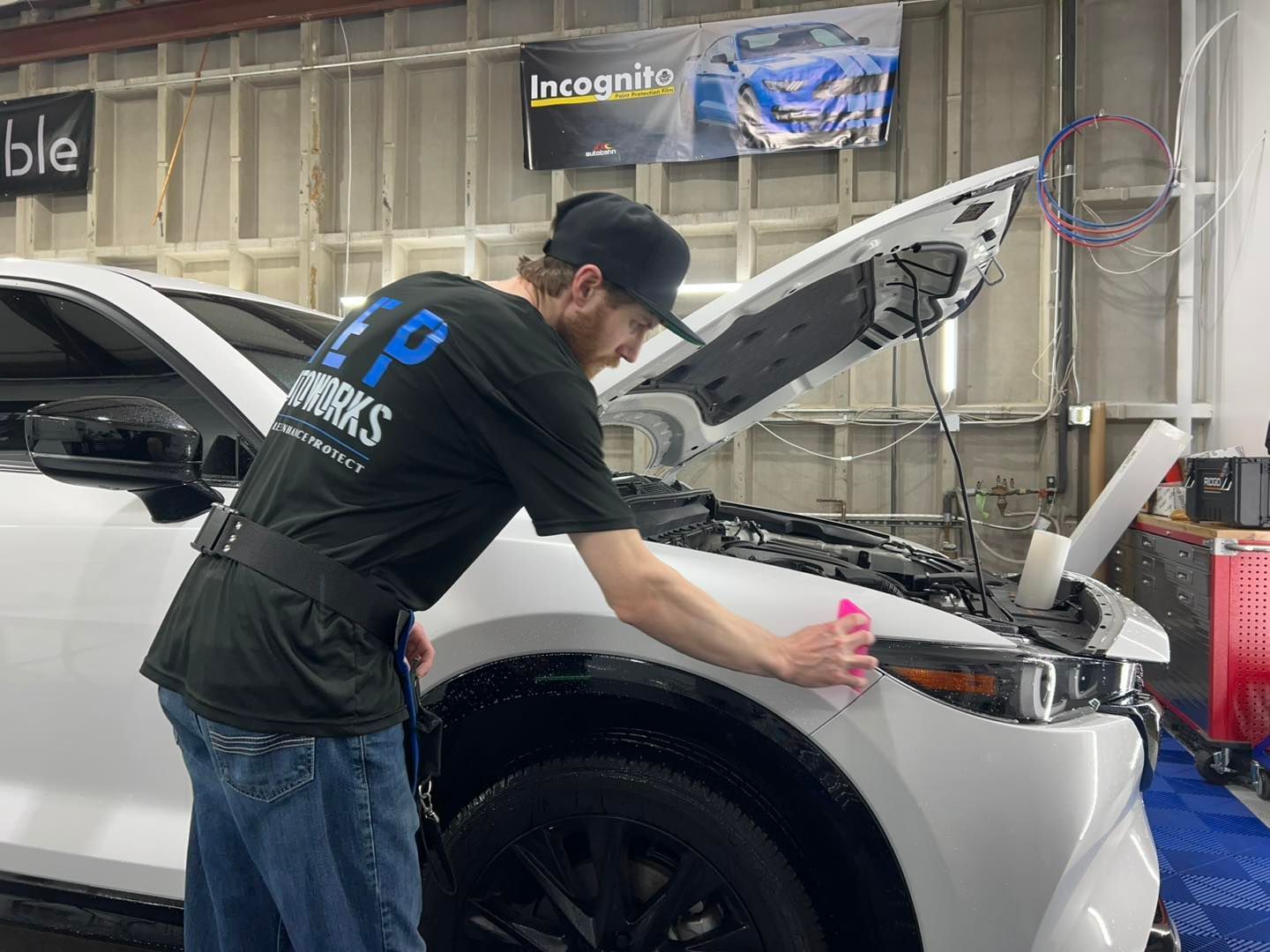
We install Autobahn paint protection film as certified Autobahn installers. Autobahn's Incognito PPF is infused with a hydrophobic coating, so it repels water and helps reduce water spots.
PPF is also not permanent. It is a long-term solution, but it can be removed, and any panel that needs reapplication can be redone without affecting the paint underneath.
Choosing the Right Coverage for Colorado Driving
Not every driver needs the same amount of film. The right choice depends on how and where you drive. Every package we offer is tailored to your specific vehicle, and pricing is quote-based.
Rocky Mountain Package
This package covers the areas that take the most direct hits from road debris:
- Front bumper
- Partial hood
- Mirrors
- Partial front fenders
- 10-year no fault warranty (lifetime available; contact us for details)
Turnaround is 3 to 4 hours. It's a good starting point for drivers who mostly stay around town.
Full Front
The Full Front covers the front bumper, full hood, mirrors, and full front fenders and includes a lifetime no fault warranty. Turnaround is 4 to 5 hours.
Full coverage on the hood and fenders means there is no visible film edge partway across those panels. This is a popular choice for regular highway commuters.
Track Package
The Track Package adds coverage to the areas that often get overlooked on Colorado roads:
- Everything in Full Front
- Rocker panels
- Headlights and fog lights
- Impact rear fenders
- Leading edge of the roof
- A pillars
- Behind the rear wheels
- Lifetime no fault warranty
Turnaround is 7 to 8 hours. Rocker panels and the areas behind the wheels catch material thrown up by your own tires, which makes this package worth a look for drivers who head into the mountains or drive through winter often.
Full Vehicle
The Full Vehicle package covers every painted panel, including the front and rear bumpers, trunk, rocker panels, headlights, fog lights, all doors, the roof, and the full hood. Turnaround is 2 to 3 days. It leaves nothing exposed.
Windshield Protection Film
Your windshield also takes hits from road debris. We offer windshield protection film as an add-on to help protect the glass on highways, back roads, and city streets.
Matte Finishes
If your vehicle has a matte finish, or you want a satin look, we also offer matte paint protection film.
Why Installation Quality Matters
Paint protection film only performs as well as it is installed. Poor installation can leave bubbles, lifting edges, or uneven areas that show up quickly.
At Rep Autoworks, our process includes:
- Hand application on each painted panel for a seamless finish
- Customized coverage based on your vehicle's design and how you drive
- A careful application process designed to prevent bubbling, peeling, or uneven areas
- Care tips after installation so you know how to maintain the film
We are certified Autobahn installers and SEMA members, and our team has completed thousands of installs for vehicles in Centennial and across the Denver area.
PPF and Ceramic Coating Together
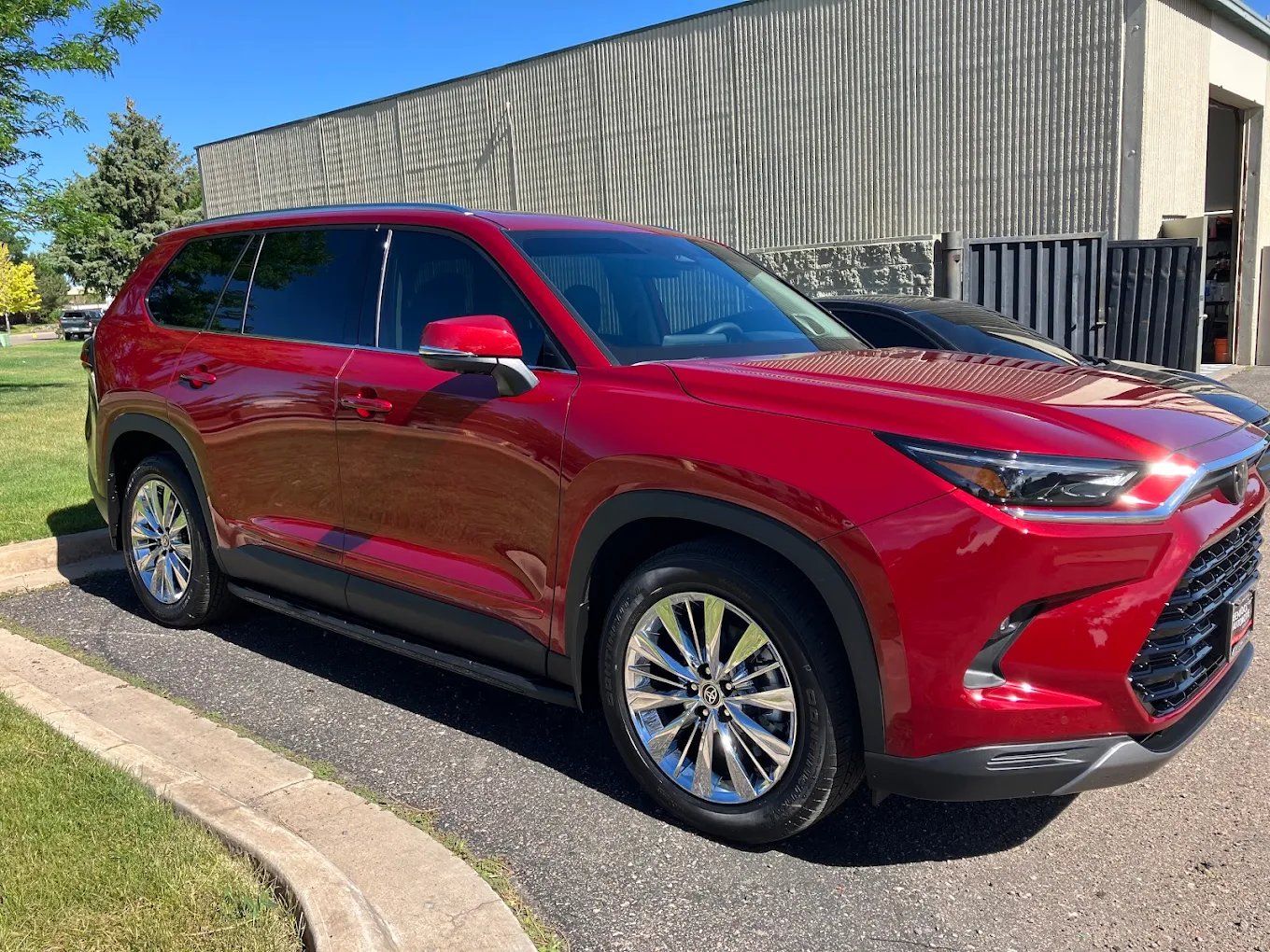
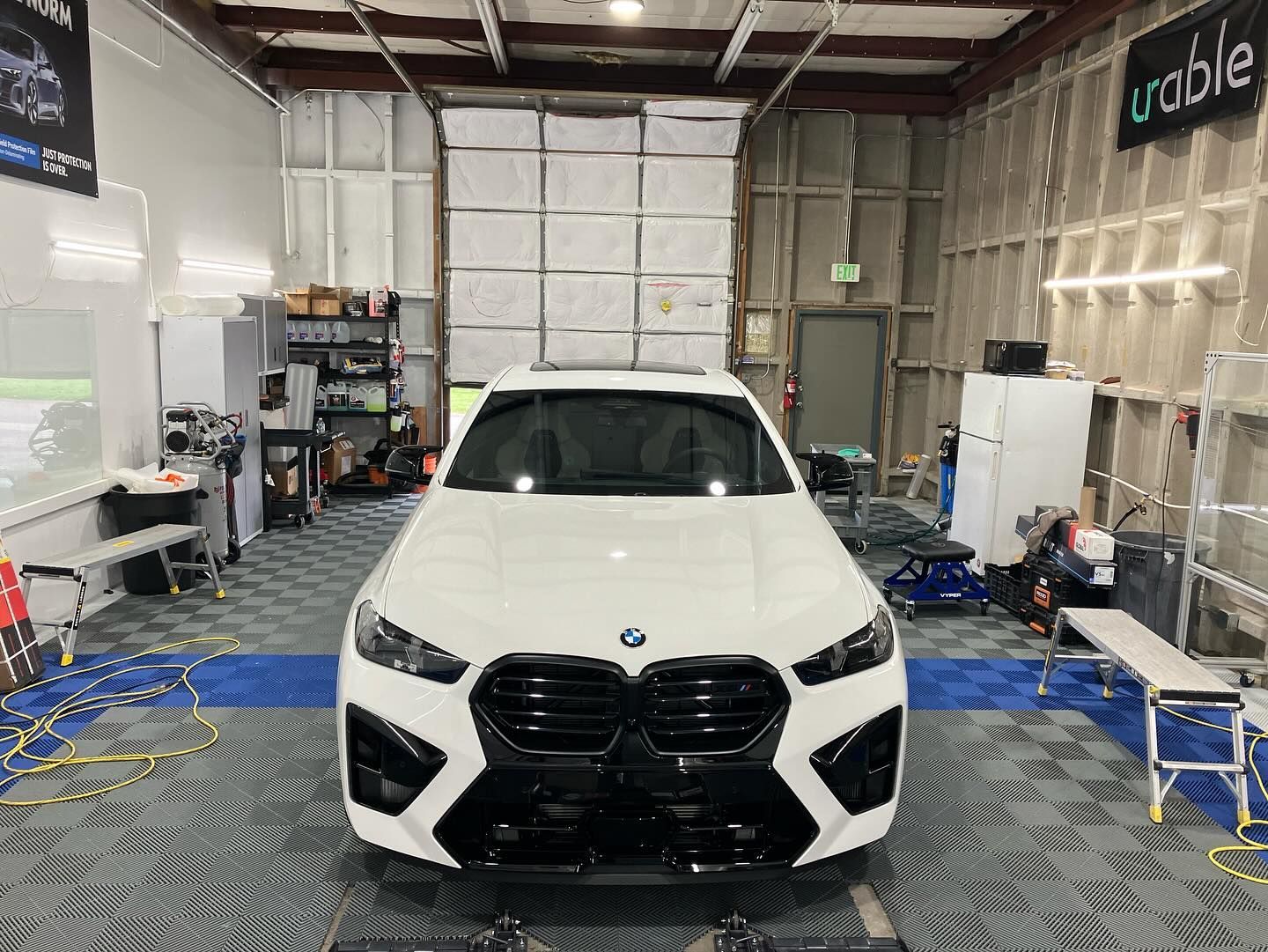
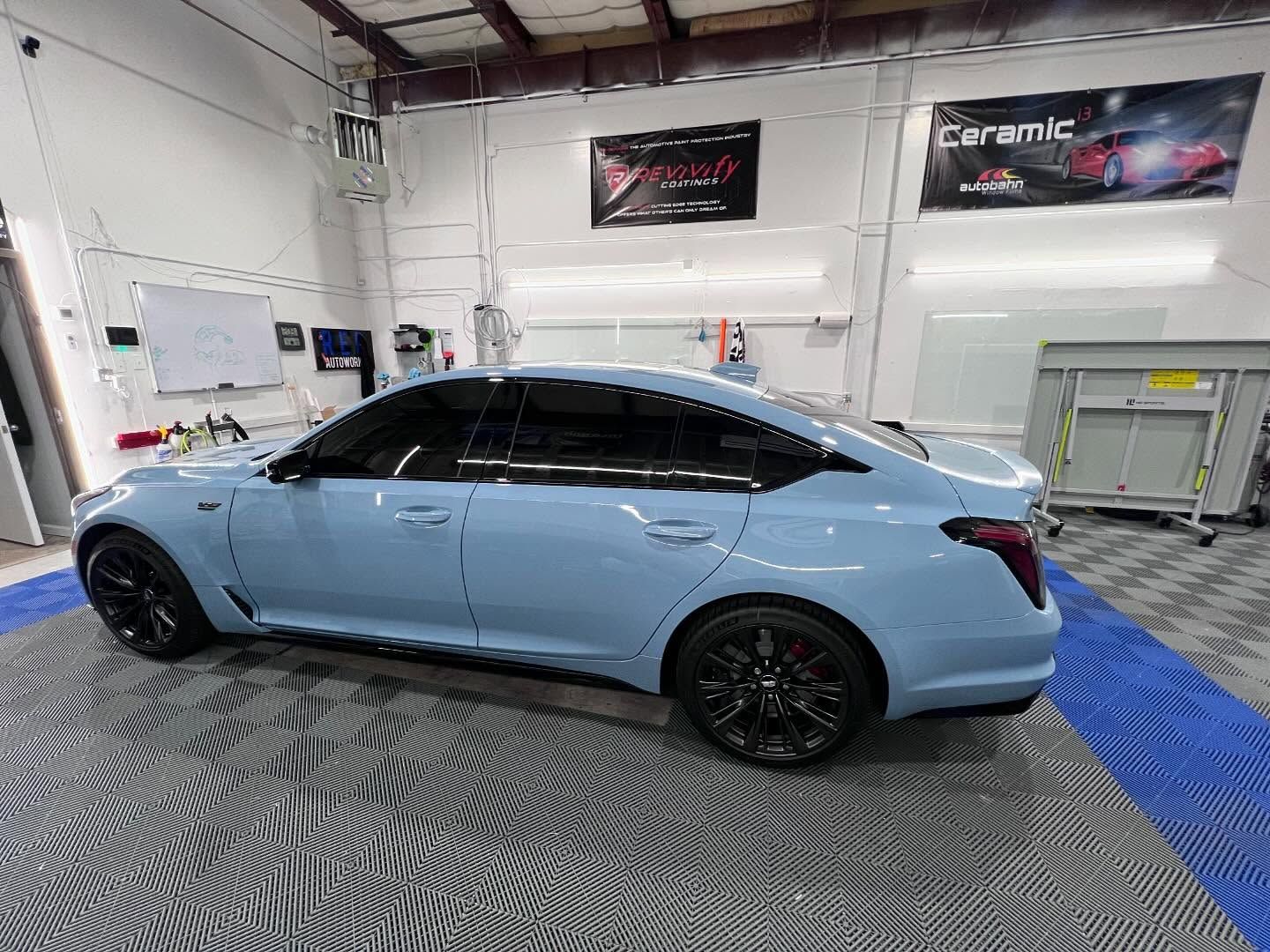
Paint protection film and ceramic coating do different jobs. PPF is the physical barrier against rock chips and scratches. Ceramic coating does not protect against rock chips; it adds gloss and makes the surface easier to clean.
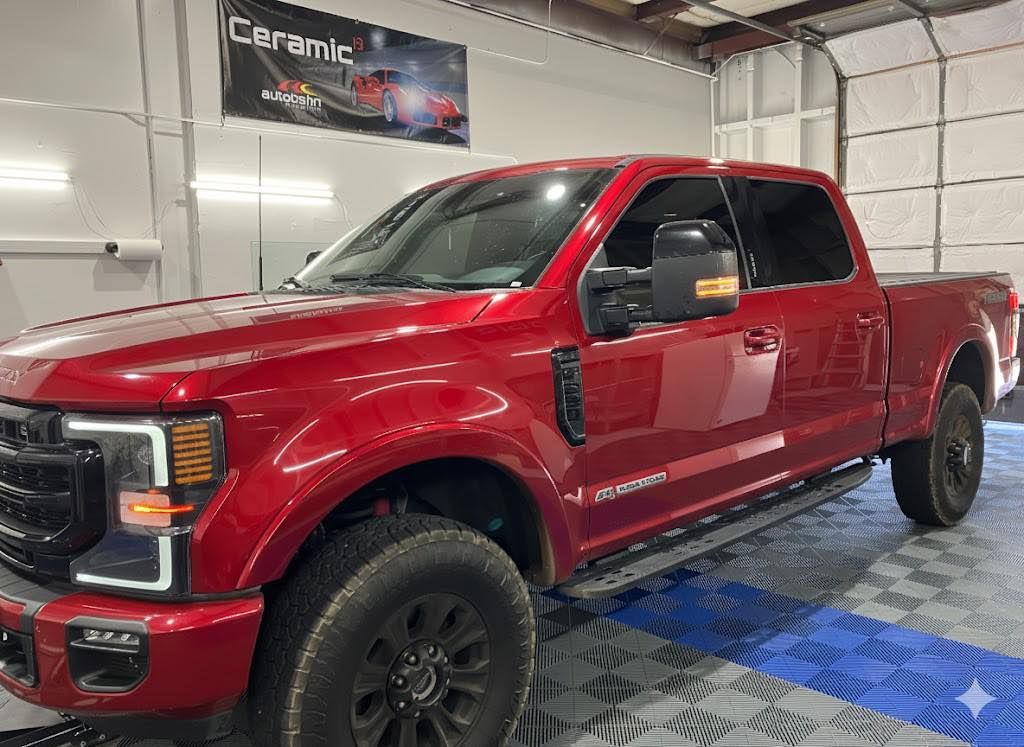
Many owners choose both. PPF goes on first, and a coating is applied afterward to improve shine and cleaning ability in Colorado's high-altitude weather. You can learn more on our ceramic coating in Centennial page.
Common Questions About PPF
Is PPF only for luxury vehicles?
No. Daily drivers face the same road hazards as luxury vehicles, often more, since they spend more time on the road. PPF helps protect trucks, SUVs, and everyday cars just as well.
Will the film turn yellow?
Yellowing was a problem with early paint protection products. The film brands we use are made to resist UV rays, and the film stays clear with proper care after installation.
Does PPF help with resale value?
A well-kept exterior helps a vehicle's resale value. By keeping chips, scratches, and swirl marks from reaching the paint, PPF helps preserve the finish buyers look for.
Can I schedule a Saturday installation?
Our hours are Monday through Friday, 8:30 AM to 5:00 PM. Saturdays are available by appointment only.
Protect New Car Paint Before Colorado Roads Do the Damage
If you just bought a new vehicle or are about to, now is the best time to decide how to protect its paint. We are happy to walk you through each package, explain the warranty options, and help you choose coverage that fits the way you drive.
Visit our paint protection film page to learn more, request a free quote, or call us at 303-818-7742.