Why Professional Window Tint Installation Prevents Bubbling, Peeling, and Early Failure
Window tint should look like part of the vehicle, not like a film added as an afterthought. Yet bubbling around the rear glass, lifting along window edges, hazy patches, and trapped debris are common signs of an installation that did not go as planned. These problems are more than cosmetic. Once the adhesive bond begins to fail, visibility can suffer, and the film may need to be removed and replaced.
For drivers considering window tinting in Centennial, installation quality matters just as much as film selection. A professional accounts for each window’s shape, glass cleanliness, adhesive, and curing time. That controlled process helps tint maintain a smooth finish instead of failing early.
Why Window Tint Bubbles in the First Place
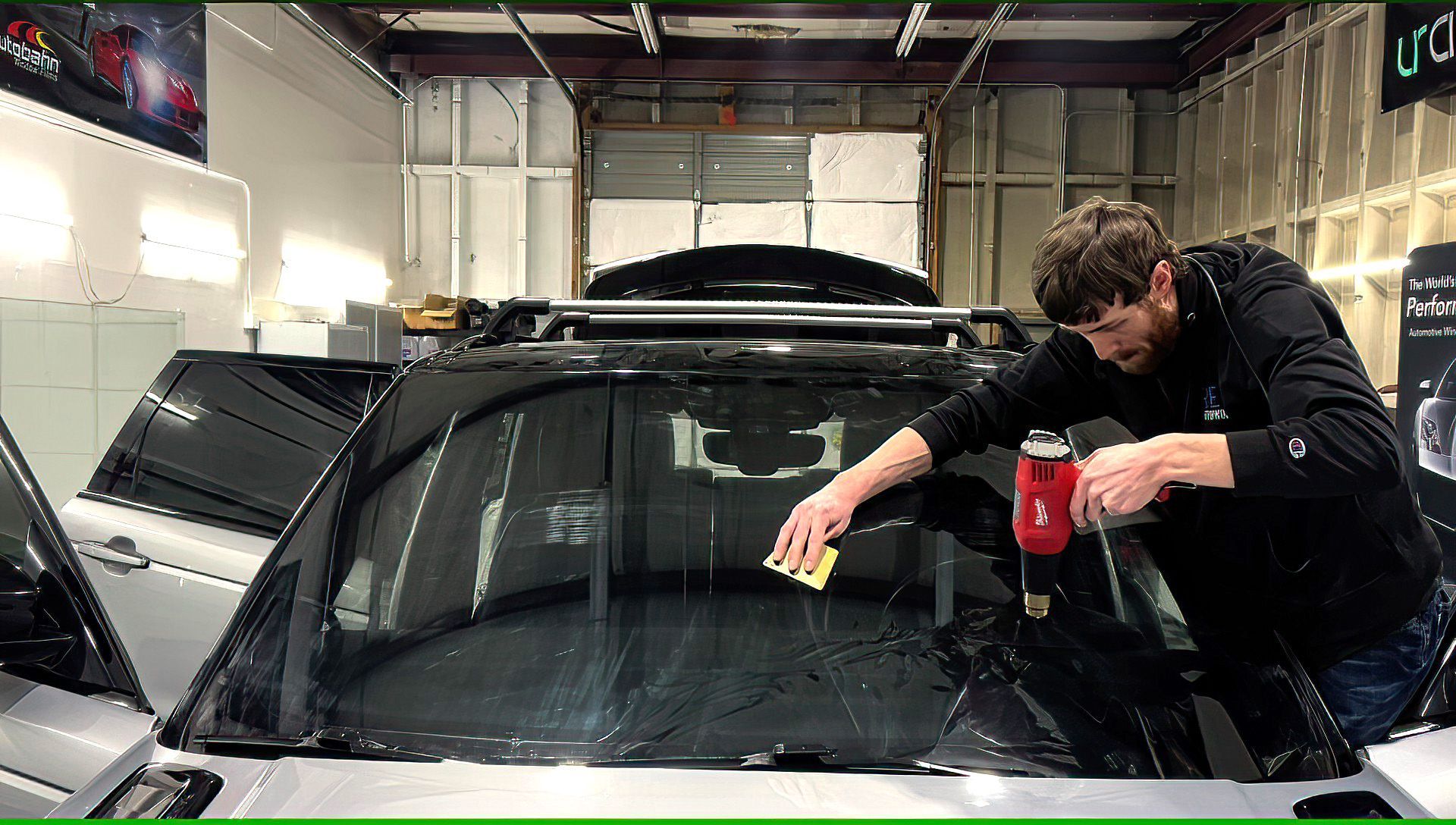
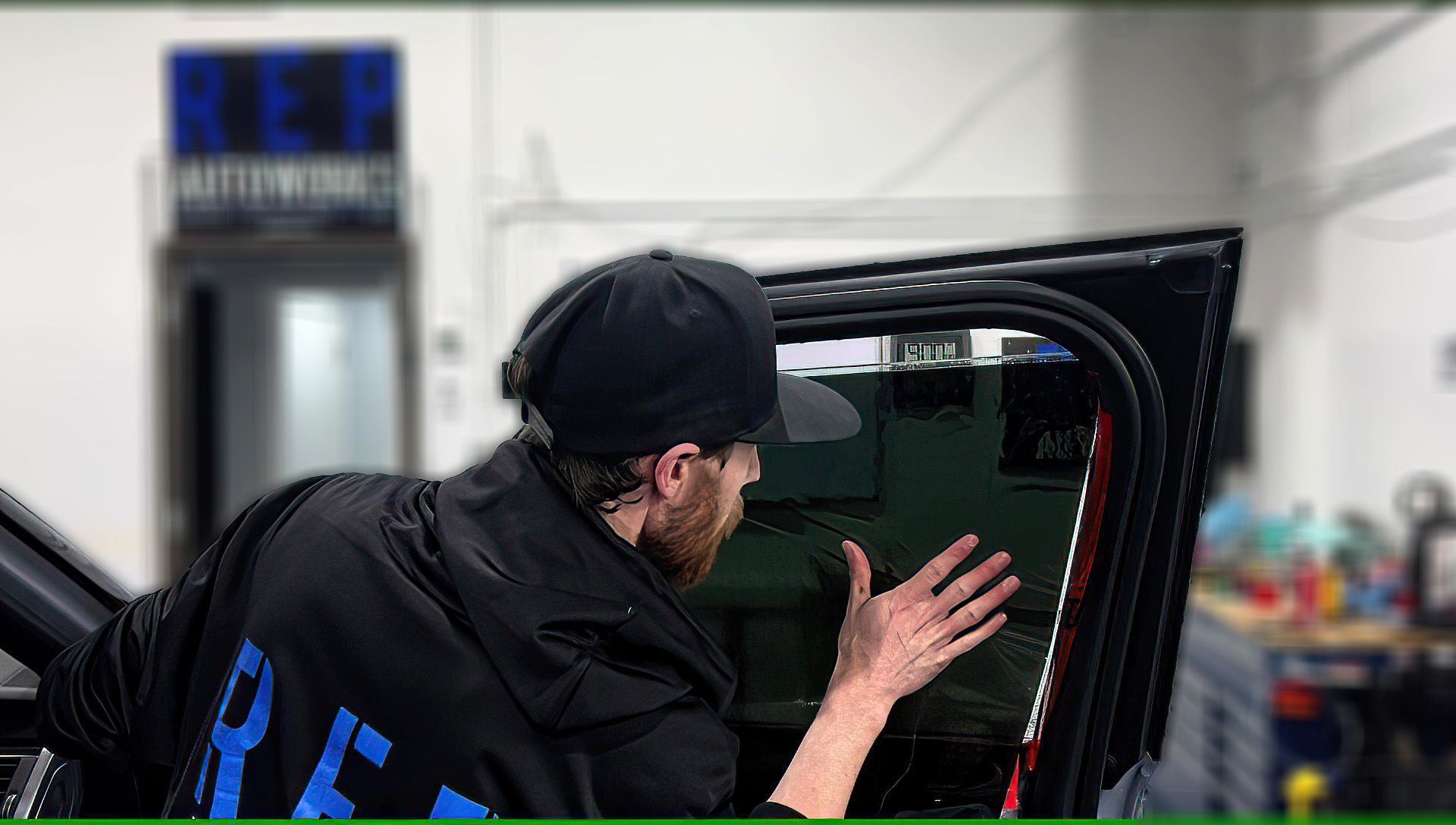
Not every temporary mark is a defect. Immediately after installation, a small amount of moisture may remain beneath the film while it cures. A qualified installer should explain what normal curing looks like and when the windows can safely be lowered. Those temporary signs should not be confused with permanent bubbles caused by contamination, trapped air, or adhesive failure.
Dust, lint, hair, and residue on the glass can create raised spots that never settle. Air pockets can also form when film is laid unevenly or not worked correctly across curved glass. On rear windows, the compound curve makes the application especially demanding; the film often must be shaped carefully so it follows the glass without fingers, creases, or excessive tension.
Even premium film cannot compensate for dirty glass, rough handling, or rushed technique.
Thorough Glass Preparation Creates a Reliable Bond
Glass that appears clean can still hold oils, cleaner residue, dust at the edges, or particles near seals and trim. Professional window tint installation begins by preparing more than the visible center of the window. The installer must pay close attention to borders and other areas where contamination can enter beneath the film.
This preparation helps the adhesive contact the glass evenly. Remaining residue can become a weak point where a bubble forms or an edge lifts. Tint installed outdoors or in a dusty space is also more exposed to airborne debris.
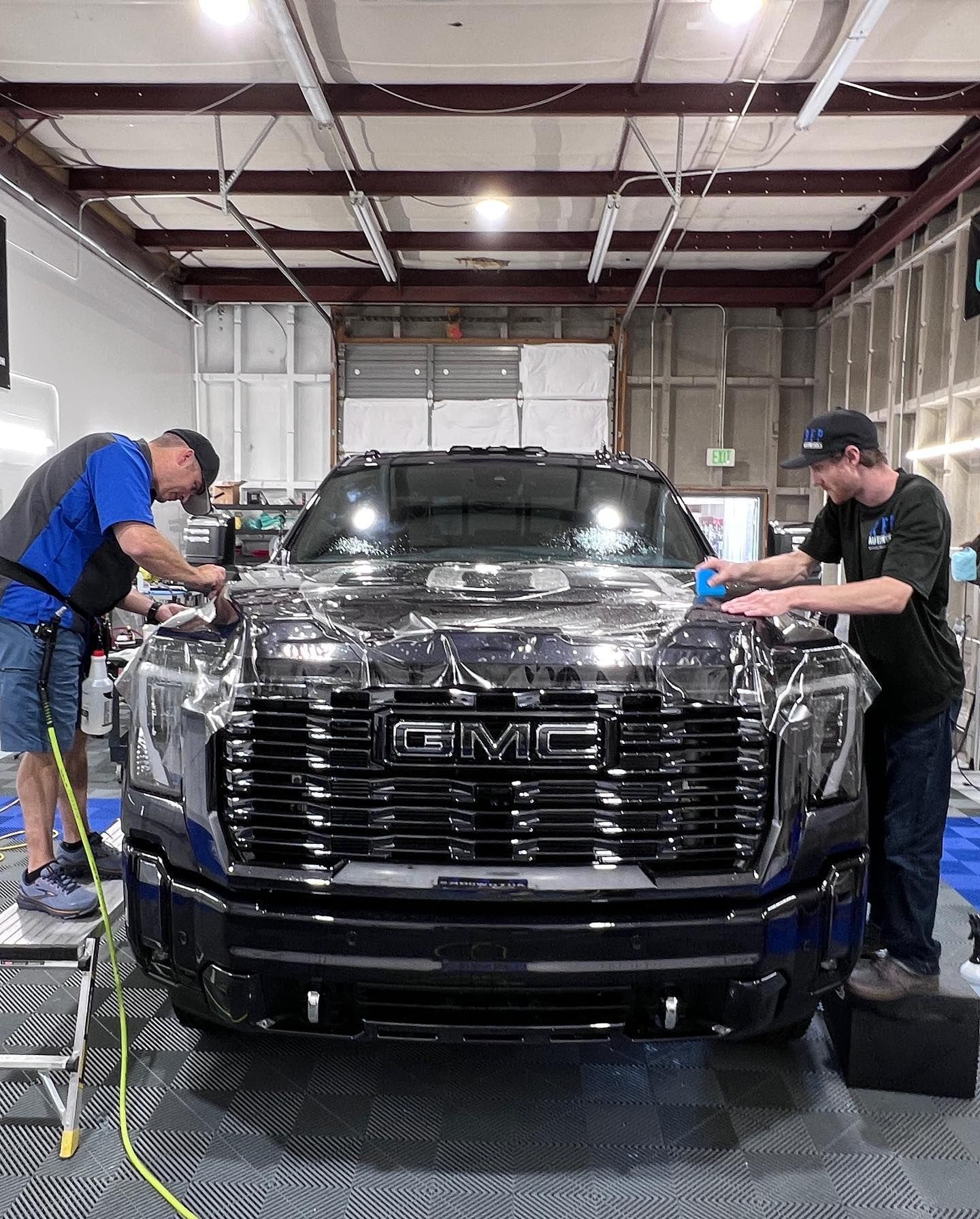
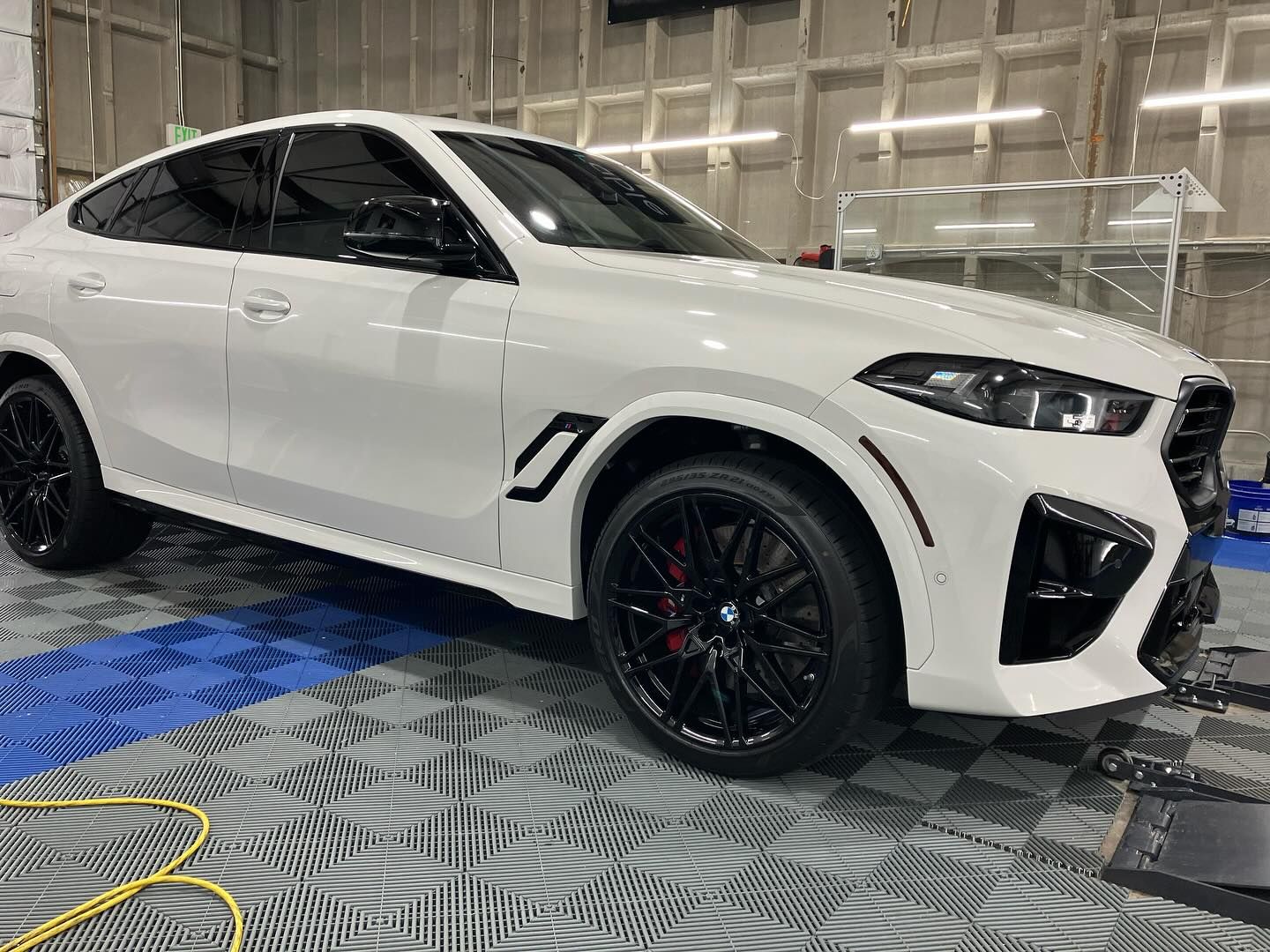
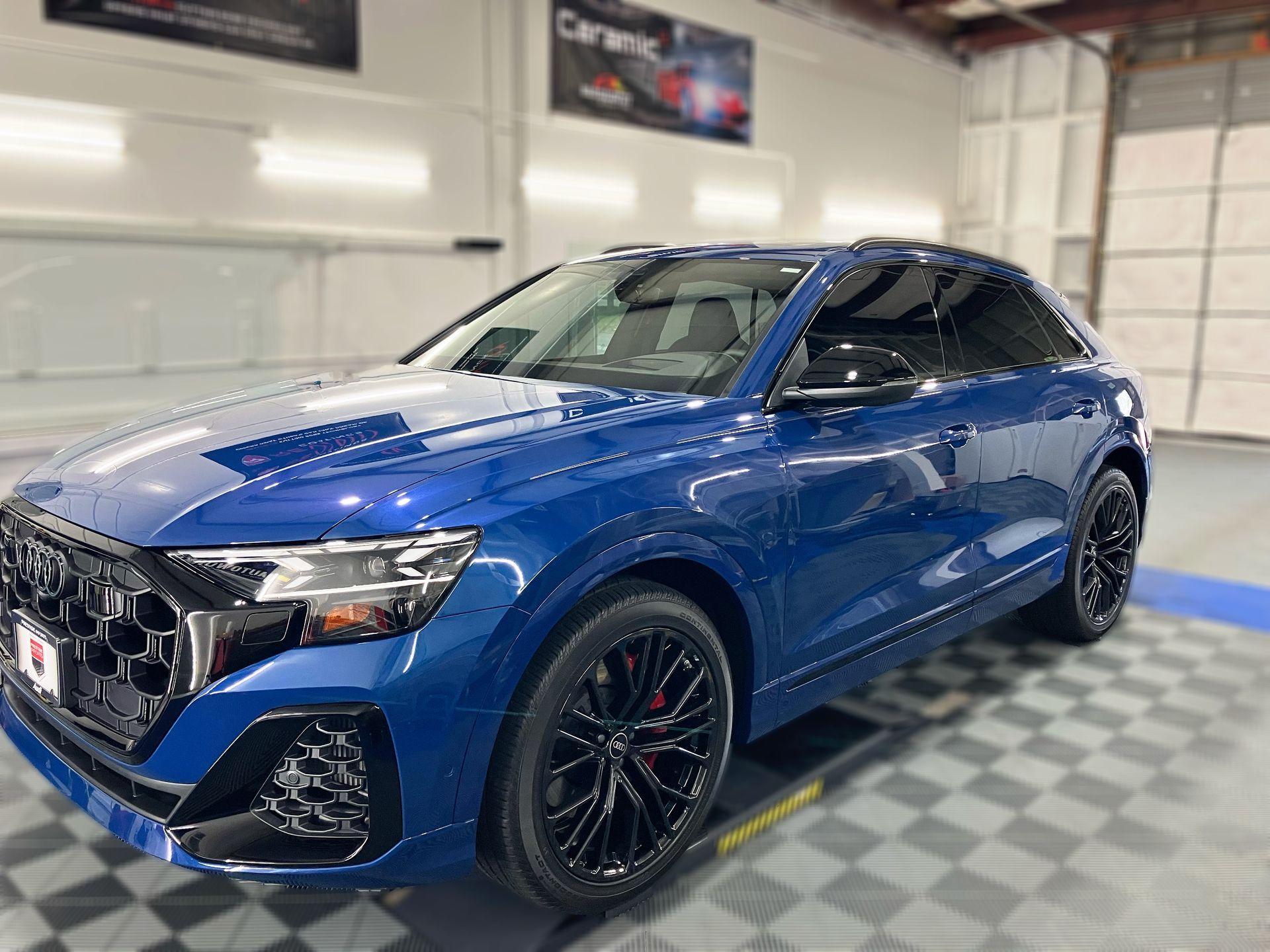
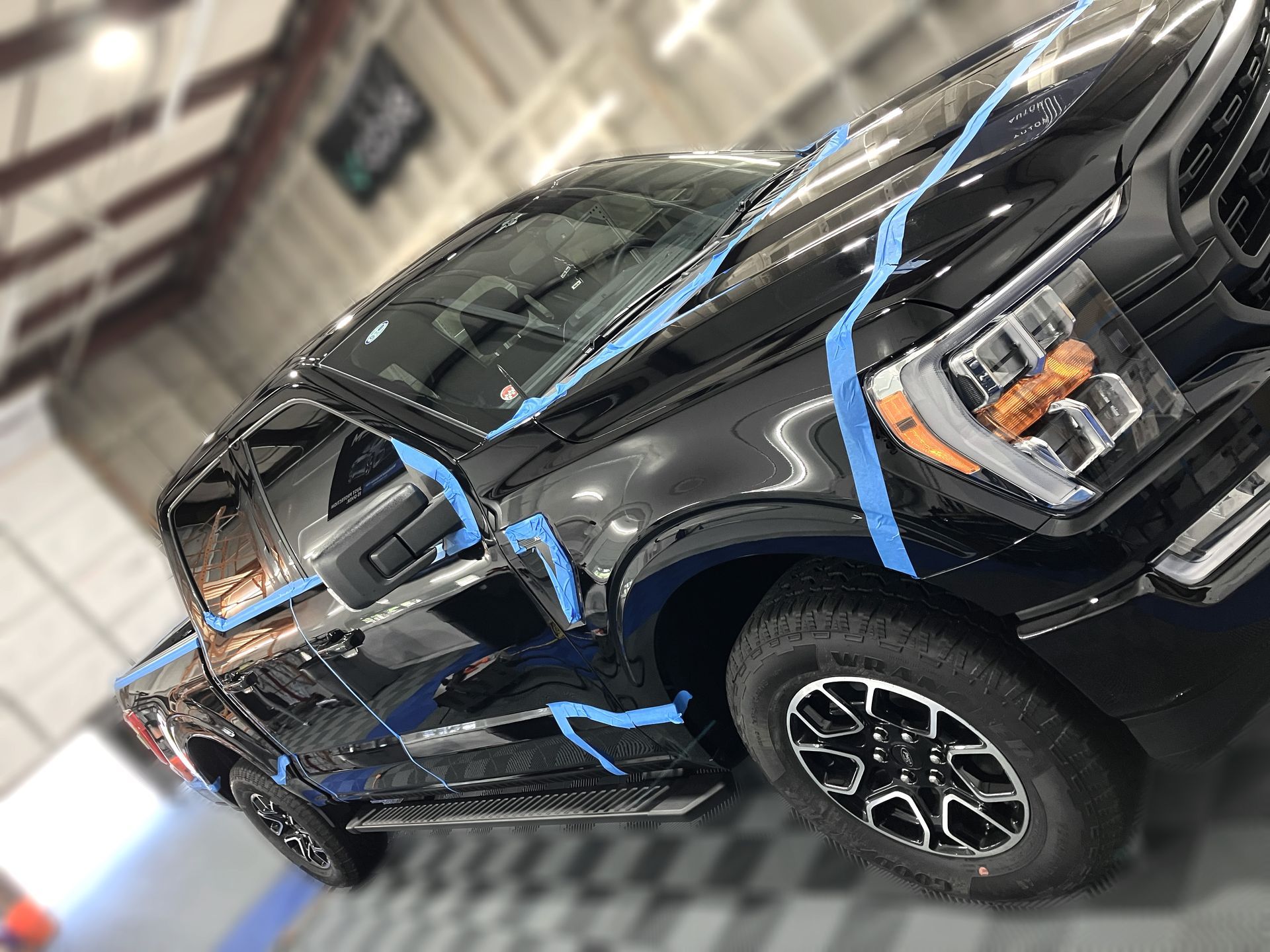
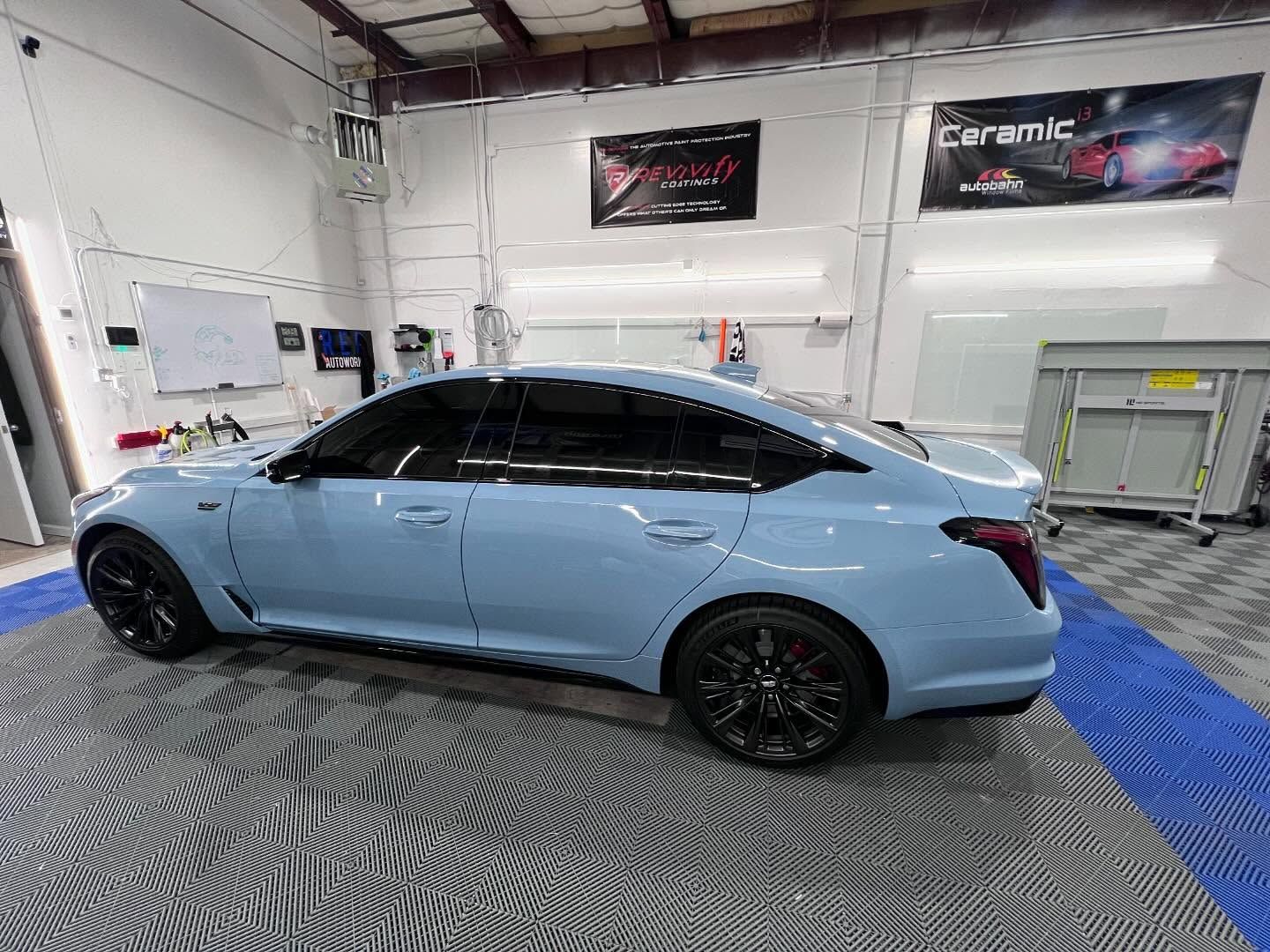
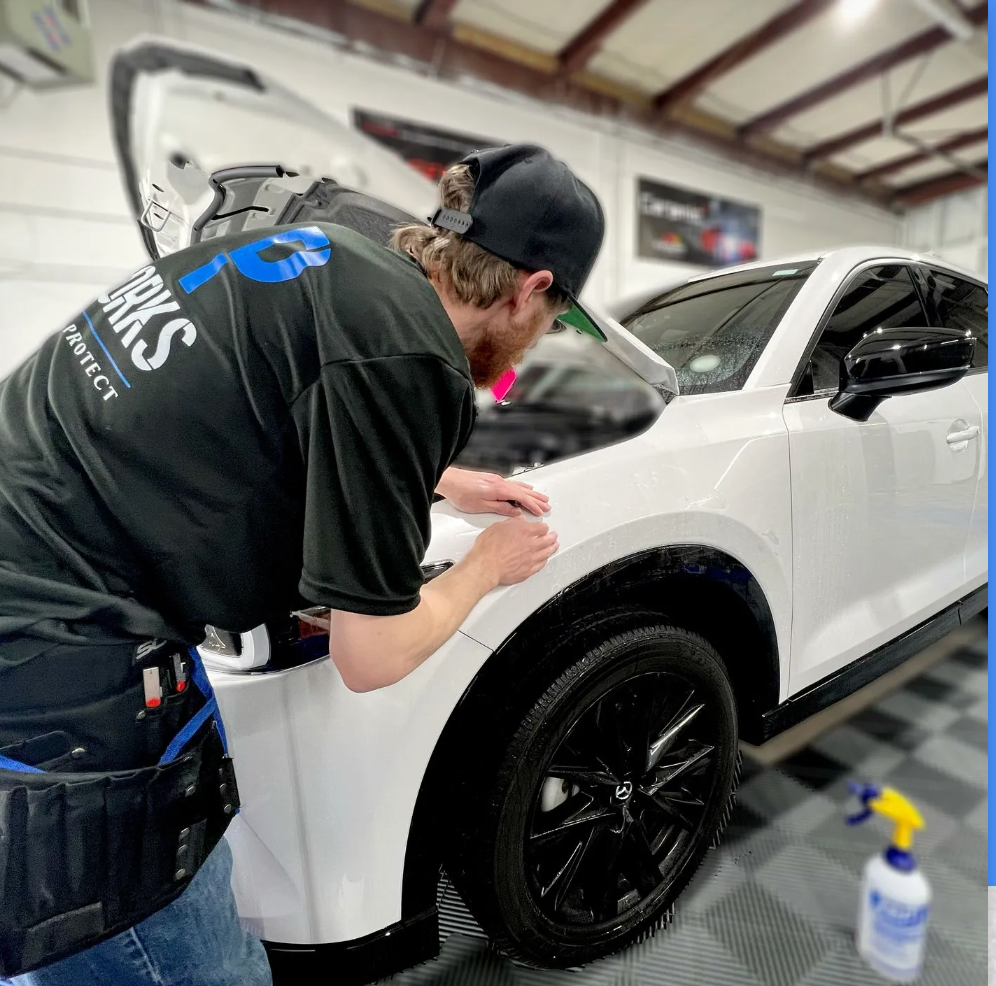
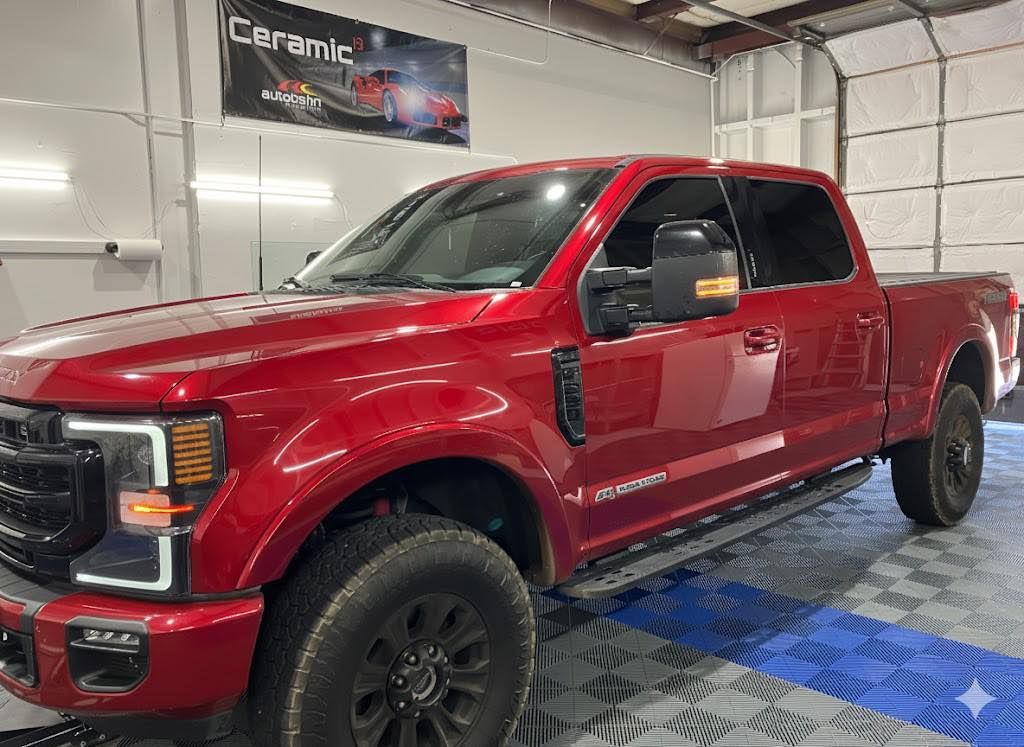
Rep Autoworks completes its tint work in a climate-controlled facility. That controlled setting supports a cleaner application and a more predictable curing process, which are two important advantages for a smooth finish.
Precision Cutting Helps Prevent Peeling Edges
Peeling often begins at the perimeter of a window. Film that extends too far can contact weather seals or trim as the glass moves. Film cut too short may leave an uneven, distracting gap. A rough or inconsistent edge can also create a place for fingers, clothes, or routine window movement to catch the material.
A professional installer custom-fits the film to each glass surface. This is particularly important for roll-down side windows, where the top edge needs to look clean while tolerating repeated movement through the window channel. The installer must also work around tight corners, gaskets, defroster lines, and the distinct contours of the vehicle.
Accurate, vehicle-specific fit reduces exposed or stressed edges and helps keep the film seated.
Controlled Application Avoids Creases and Distortion
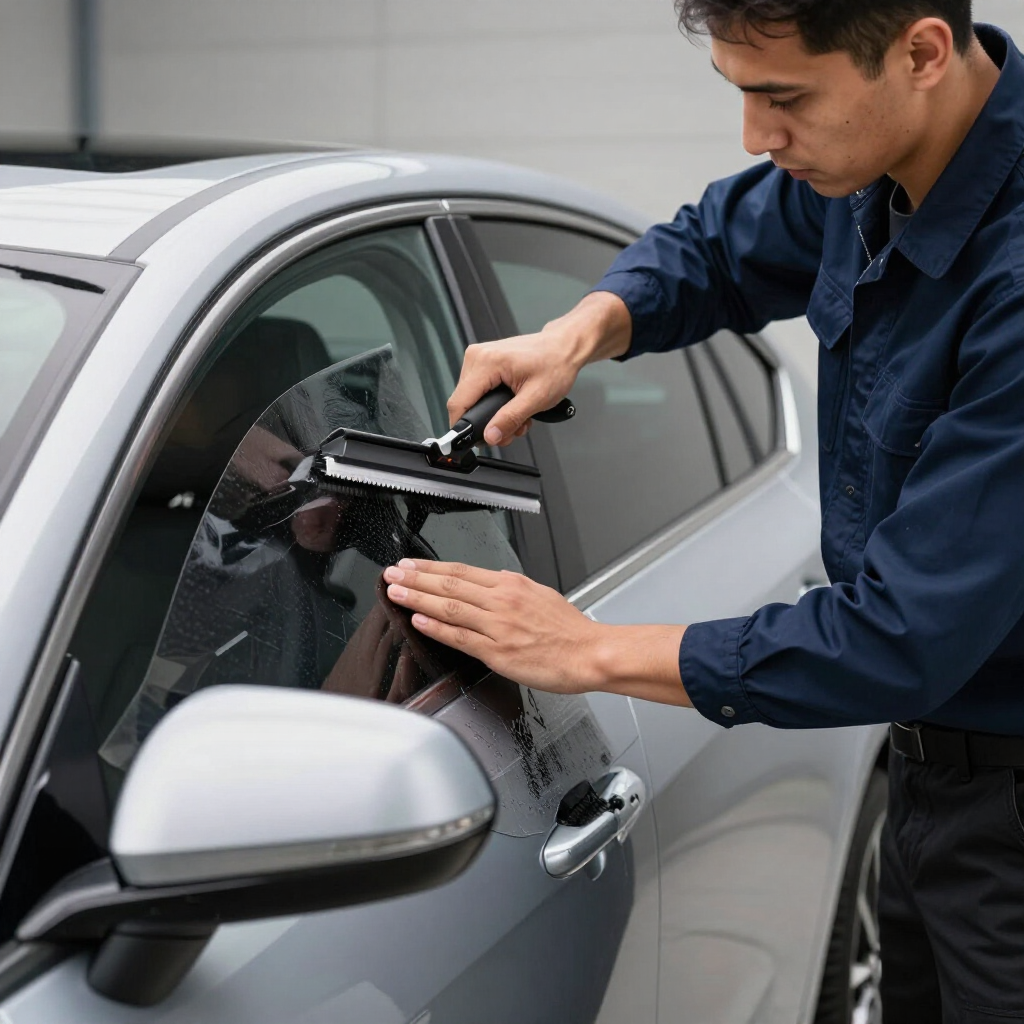
Applying auto window tinting film is not simply a matter of placing a sheet on wet glass. The installer must position the material, remove application solution and air, and keep pressure consistent without damaging the film. Too much handling can introduce creases. Incomplete extraction can leave pockets. Aggressive tool use can mark the material or create visible distortion.
Curved windows add another layer of difficulty. Film has to conform to the glass without bunching or being stretched beyond its intended shape. A trained installer recognizes where tension is developing and shapes the material before final placement. This is especially valuable on large rear windows, where one mistake can affect a broad, highly visible area.
The goal is a uniform bond across the entire window, not merely film that sticks on installation day.
Proper Curing Protects a Fresh Installation
Tint adhesive needs time to set. During this period, moisture beneath the film evaporates and the bond develops. Curing time can vary with the film, weather, and conditions, so aftercare should come from the installer rather than a one-size-fits-all assumption.
Lowering a window too soon may pull at a fresh edge. Pressing moisture pockets or cleaning the inside glass prematurely can also interfere with the finish. Professional service includes guidance on window operation, normal curing changes, and when to contact the shop.
At Rep Autoworks, controlled curing is part of the documented installation process. Allowing the film to cure correctly in a climate-controlled facility helps it bond securely and reduces the risk of peeling, bubbling, and distortion.
Film Selection Still Matters
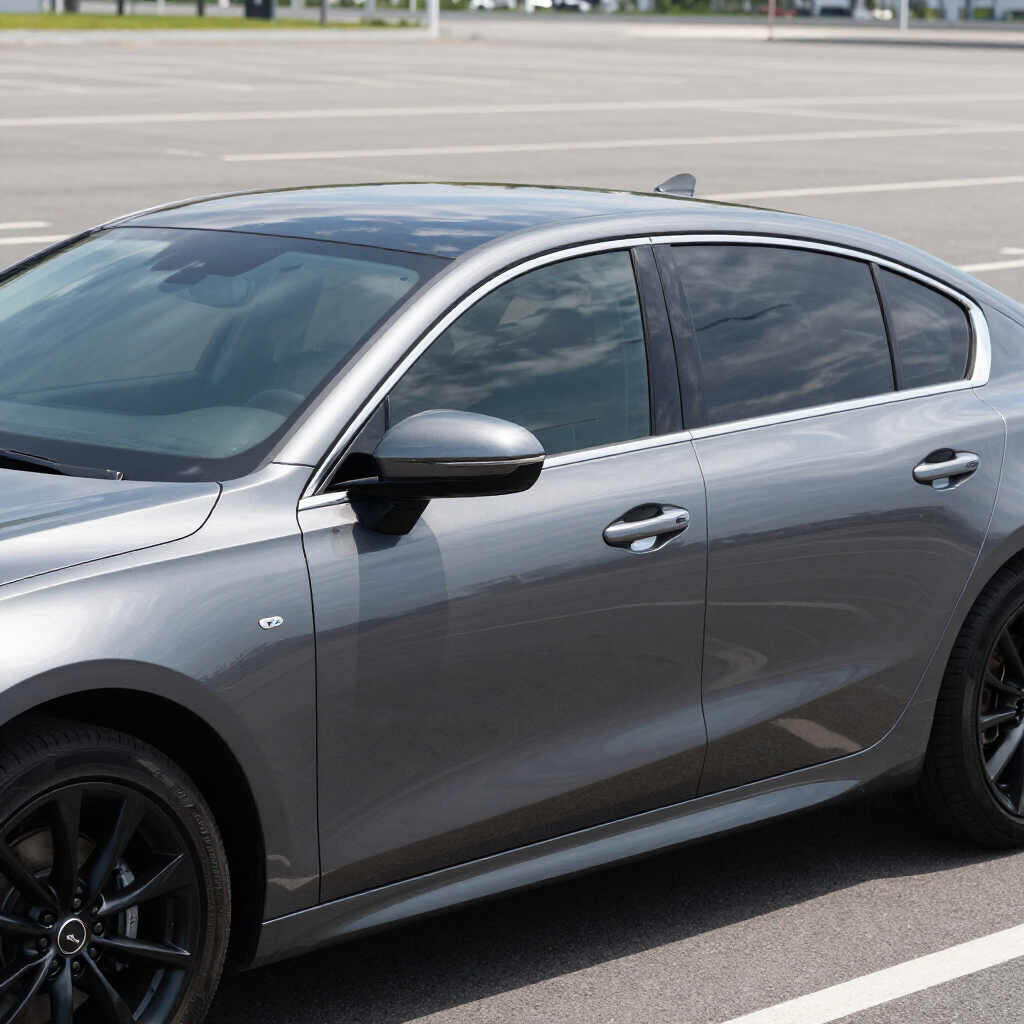
Drivers have different priorities: glare reduction, privacy, infrared heat rejection, UV protection, or a balance of these benefits. A reputable window tint shop in Centennial should explain film construction and shade rather than treating darkness as the only decision.
Rep Autoworks offers four Autobahn film choices: Black, Black Ceramic, i3, and i3+. Available coverage includes a windshield strip, the front two windows, all side and rear windows, and windshield options. This range allows the film and coverage plan to be matched to the vehicle and the driver’s goals.
Colorado tint regulations also affect the appropriate shade and placement. A professional shop can help a driver consider compliant options before installation, avoiding the frustration of selecting film based only on appearance.
Why DIY Tint Often Fails Early
DIY kits can make installation appear straightforward, but the difficult parts are usually hidden in the preparation and finishing. A home installer may not have a clean indoor environment, patterns suited to the exact vehicle, proper shaping tools, or experience working near seals and defroster lines. Small errors that seem acceptable at first can become much more noticeable once the film dries.
Common problems include trapped contamination, uneven borders, creased corners, fingers along curved glass, and damaged edges. Removing failed film also requires care around sensitive rear-window components.
Professional installation reduces that trial-and-error risk. It also gives the vehicle owner a knowledgeable point of contact for film selection, aftercare, and questions during curing.
Choose an Installation Process Built for a Clean Finish
When comparing shops, ask how the glass is prepared, where the installation takes place, how the film is fitted, and what aftercare guidance is provided. A low quote has little value if contamination, lifting edges, or distortion leads to another installation sooner than expected.
Rep Autoworks uses professional-grade Autobahn film, custom-fits material to individual glass surfaces, and allows tint to cure in a climate-controlled facility. The shop is located at 15373 East Hinsdale Circle in Centennial, making it a convenient local option for drivers throughout the Denver area.
For professional auto window tinting designed around a precise fit and controlled cure, call Rep Autoworks at
303-818-7742 to discuss your vehicle and request a tint quote.