Everything You Need to Know About Paint Correction for Your Vehicle
Your vehicle’s paint is one of its most prominent features, and maintaining a flawless finish is essential for both its appearance and value. Over time, imperfections like swirl marks, scratches, and oxidation can dull the shine and clarity of your vehicle’s exterior. Paint correction is a specialized process designed to remove these imperfections, restoring the paint to a smooth and glossy finish.
If you’ve been wondering whether paint correction is the right solution for your vehicle, this guide will walk you through the process, the benefits, and why it’s an essential service for maintaining your car’s exterior.
What Is Paint Correction?
Paint correction is the process of restoring your vehicle’s paint by removing imperfections that develop over time . These imperfections may include swirl marks, fine scratches, water spots, oxidation, and etchings from bird droppings or tree sap. Unlike traditional waxing or buffing, paint correction involves the use of specialized tools and techniques to address defects within the clear coat, the top protective layer of your vehicle’s paint.
The goal of paint correction is to restore the clarity and depth of the paint, leaving a smooth, flawless finish. While this process requires professional expertise, the results can transform the appearance of your car, bringing back its original shine.
The Paint Correction Process
The process of paint correction involves multiple stages, each tailored to the condition of your vehicle’s paint. The complexity and duration of the process depend on the extent of the damage and the desired outcome.
Thorough Washing and Decontamination
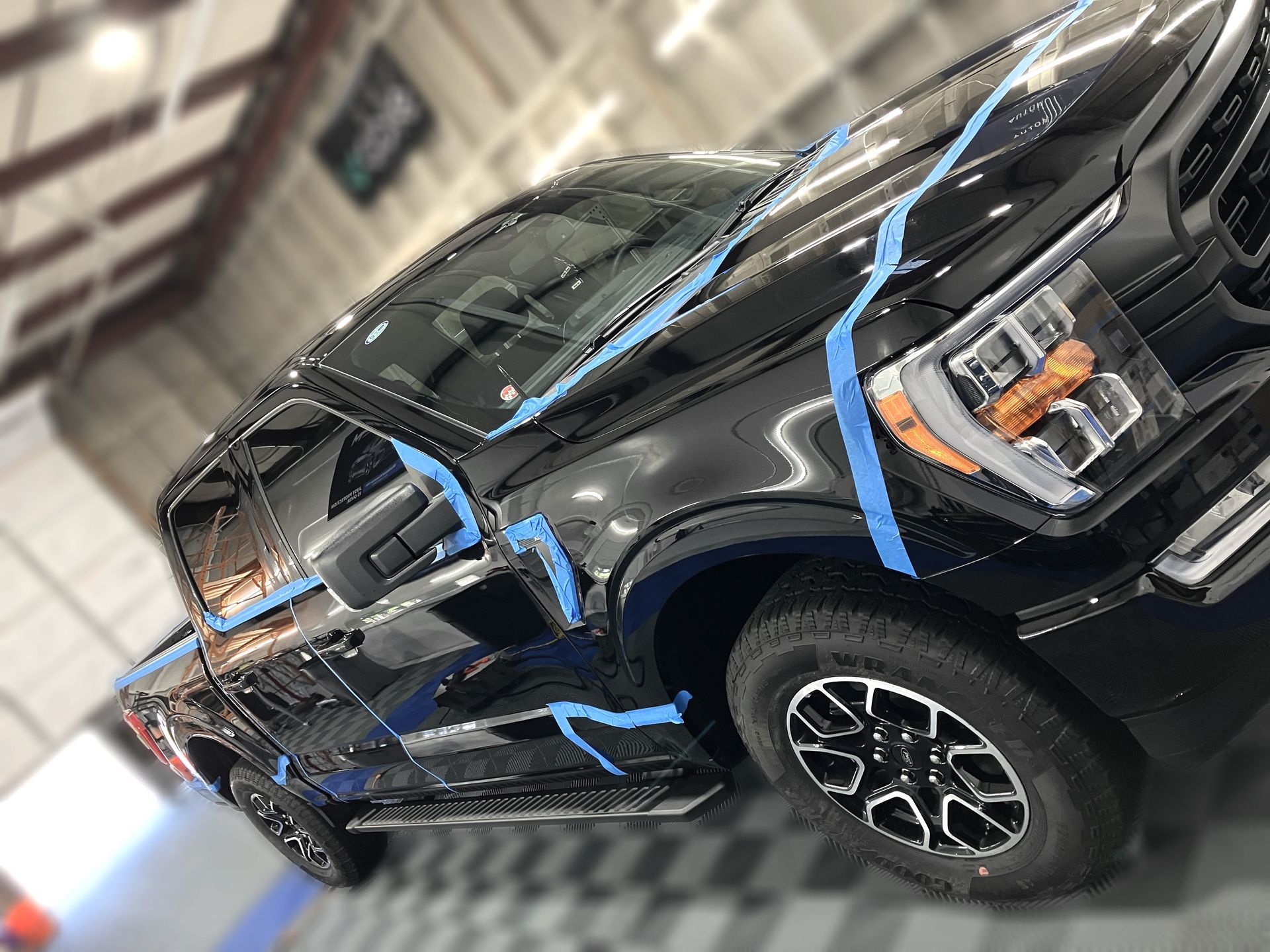
The first step in any paint correction service is to thoroughly clean and decontaminate the vehicle’s surface. This involves washing the car to remove dirt, grime, and contaminants that have adhered to the paint. Decontamination is crucial because even the smallest particles can cause additional damage during the correction process. A clay bar treatment is often used to remove embedded particles, ensuring the surface is completely clean before moving on to the next step.
Inspection of the Paint
Once the vehicle is clean, a detailed inspection of the paint is conducted under specialized lighting. This allows technicians to identify any swirl marks, fine scratches, oxidation, and other imperfections. The inspection helps determine the severity of the damage and the specific correction techniques required.
Compounding and Polishing
The next phase is where the actual paint correction takes place. This step involves using machine polishers with cutting compounds and polishing pads. Compounding removes a thin layer of the clear coat to eliminate deeper scratches and defects. Different pads and compounds are selected based on the level of damage to the paint.
After compounding, a finer polishing process is performed to smooth out the surface and enhance the gloss. This step restores the paint’s depth and shine, leaving a mirror-like finish.
Applying Protection
Once the paint correction process is complete, it’s essential to protect the newly restored surface. Applying a protective coating, such as ceramic or REVIVIfy coatings, seals the corrected paint and provides long-term defense against environmental contaminants, UV rays, and future damage.
Types of Paint Imperfections Paint Correction Can Fix
Paint correction can effectively remove a variety of common imperfections that accumulate on your vehicle’s surface over time. Here are the main types of defects that paint correction addresses:
Swirl Marks
Swirl marks are circular scratches that often result from improper washing or drying techniques. They are one of the most common paint defects and are usually caused by using dirty towels, sponges, or brushes that trap dirt and debris. Paint correction eliminates these marks, restoring the smoothness and clarity of your paint.
Fine Scratches
Scratches can occur from a variety of sources, such as brushing against branches or other abrasive surfaces. Paint correction removes fine scratches by leveling the surface of the clear coat, making the scratches invisible to the eye.
Oxidation
Oxidation is caused by prolonged exposure to the sun’s UV rays, which leads to a faded or chalky appearance in the paint . Paint correction can remove the oxidized layer, revealing a vibrant and glossy finish underneath.
Water Spots and Etching
Water spots, often caused by hard water or acid rain, leave unsightly marks on the paint. In addition, contaminants like bird droppings or tree sap can etch into the paint if left untreated. Paint correction smooths out the surface and removes these blemishes.
The Benefits of Paint Correction
Investing in paint correction provides numerous benefits, not only for the appearance of your car but also for its longevity and resale value.
Restores the Vehicle’s Appearance
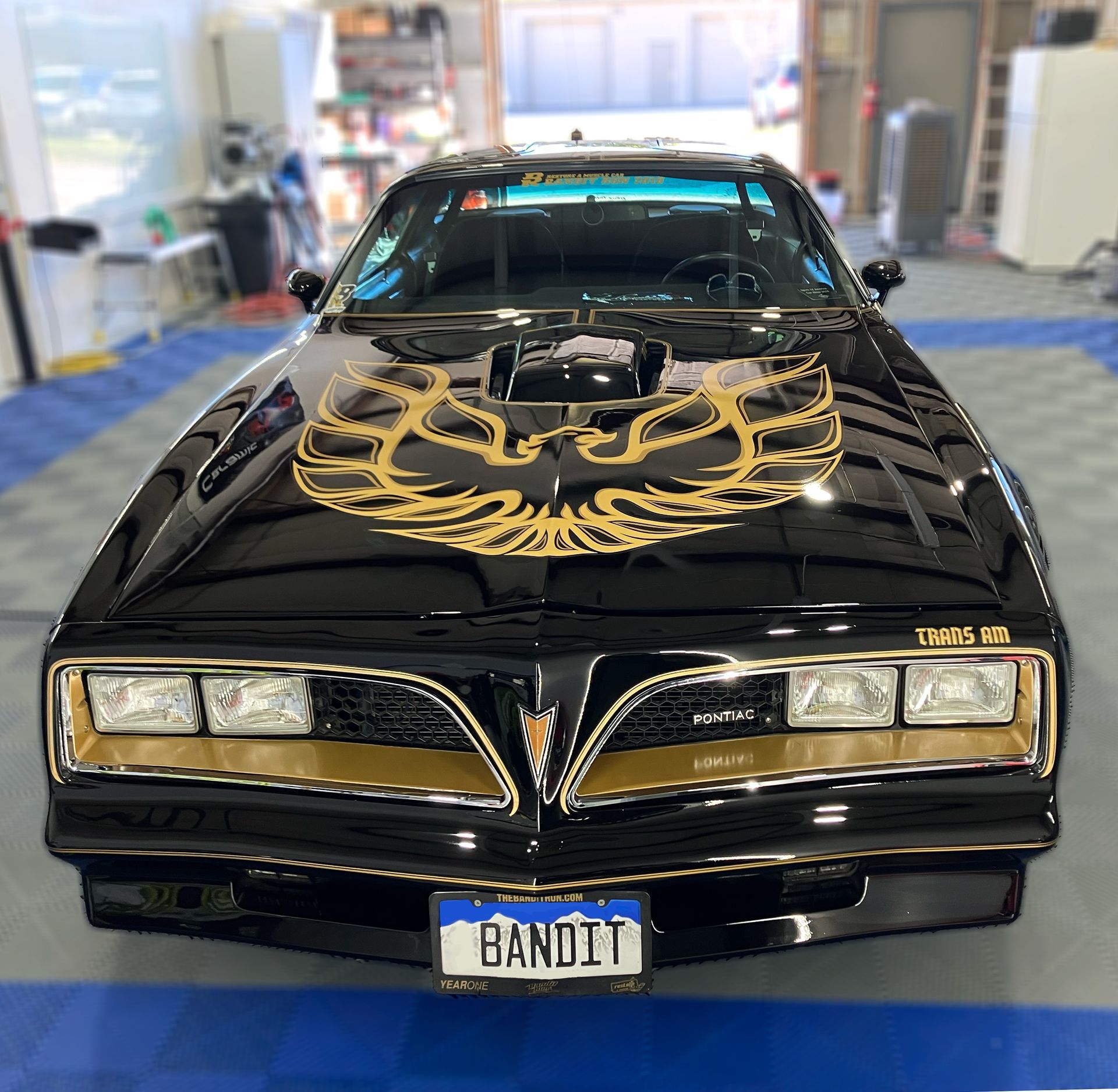
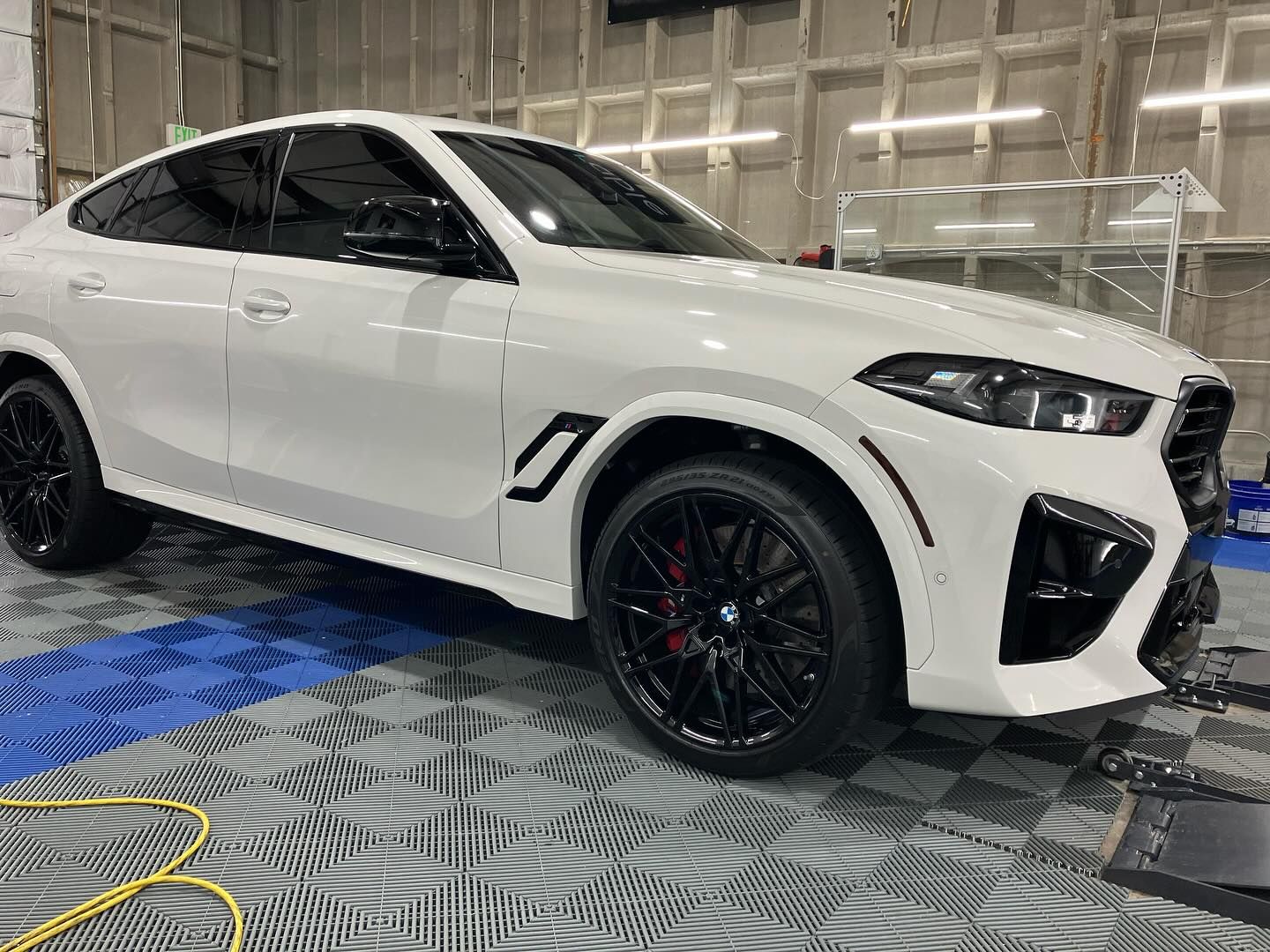
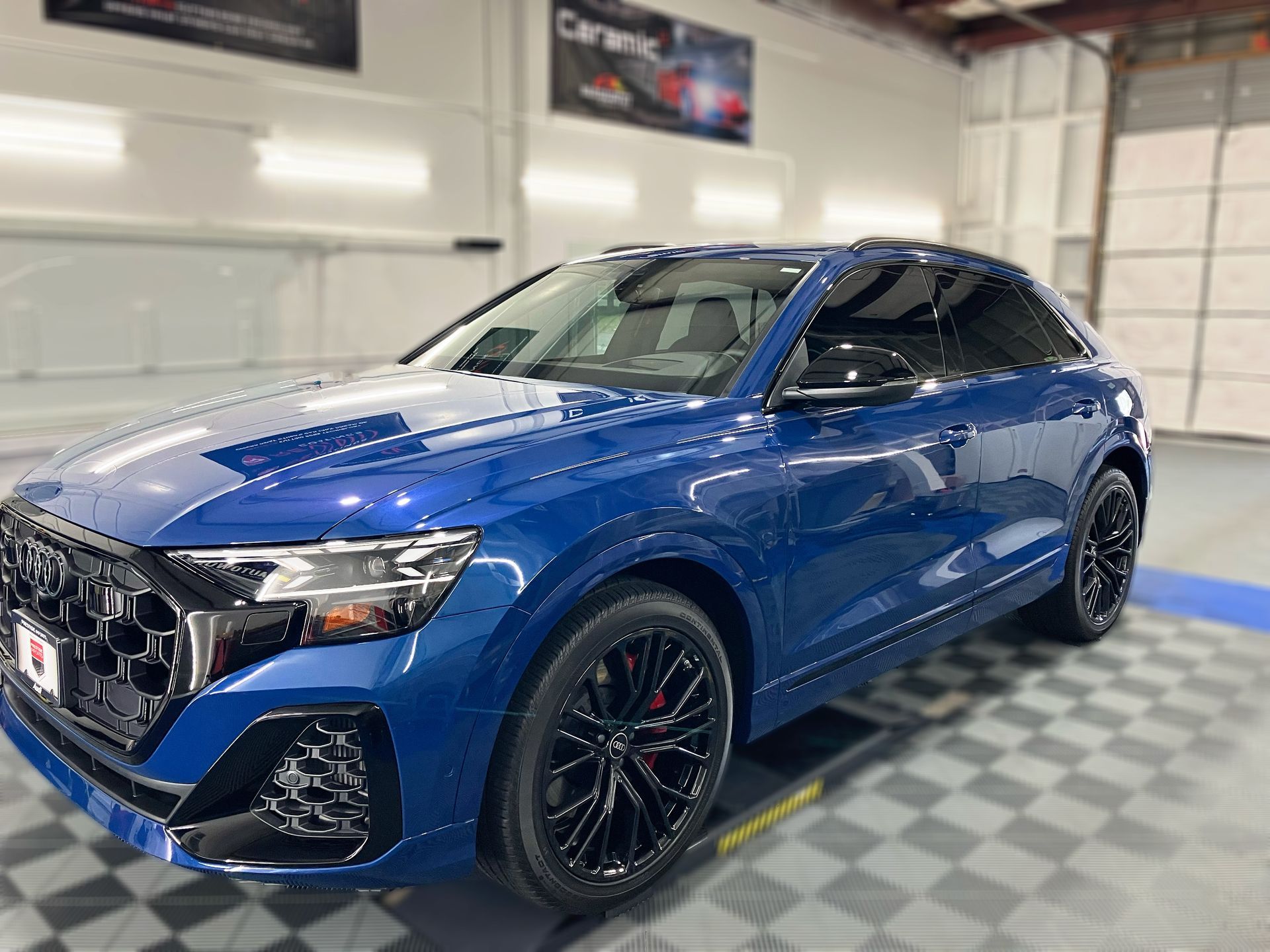
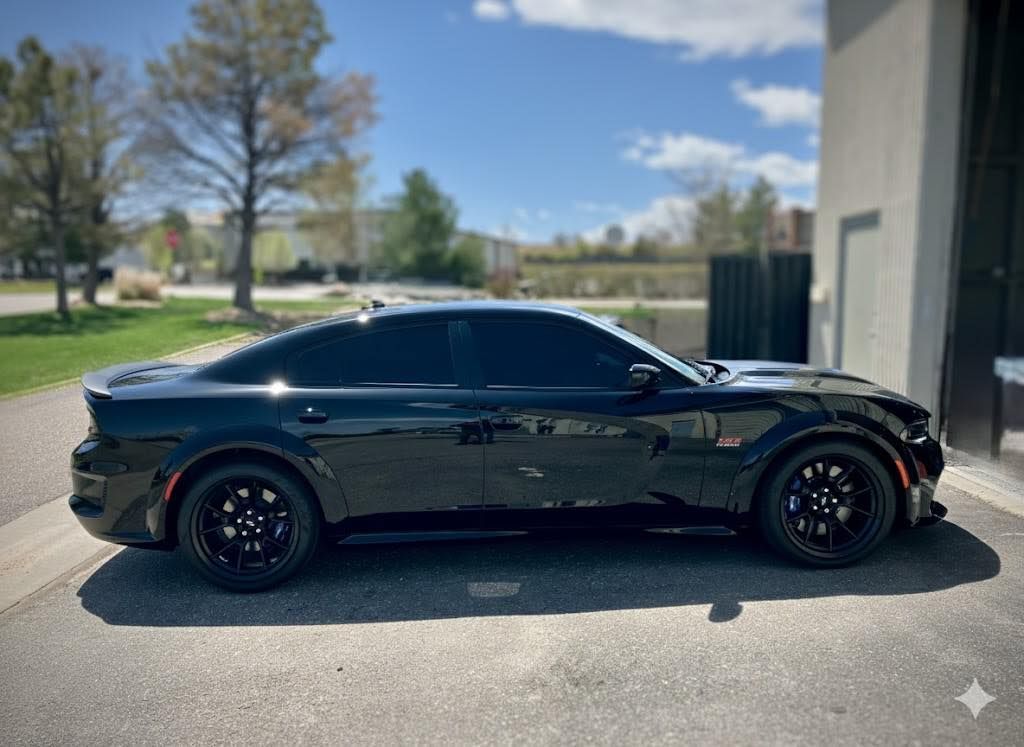
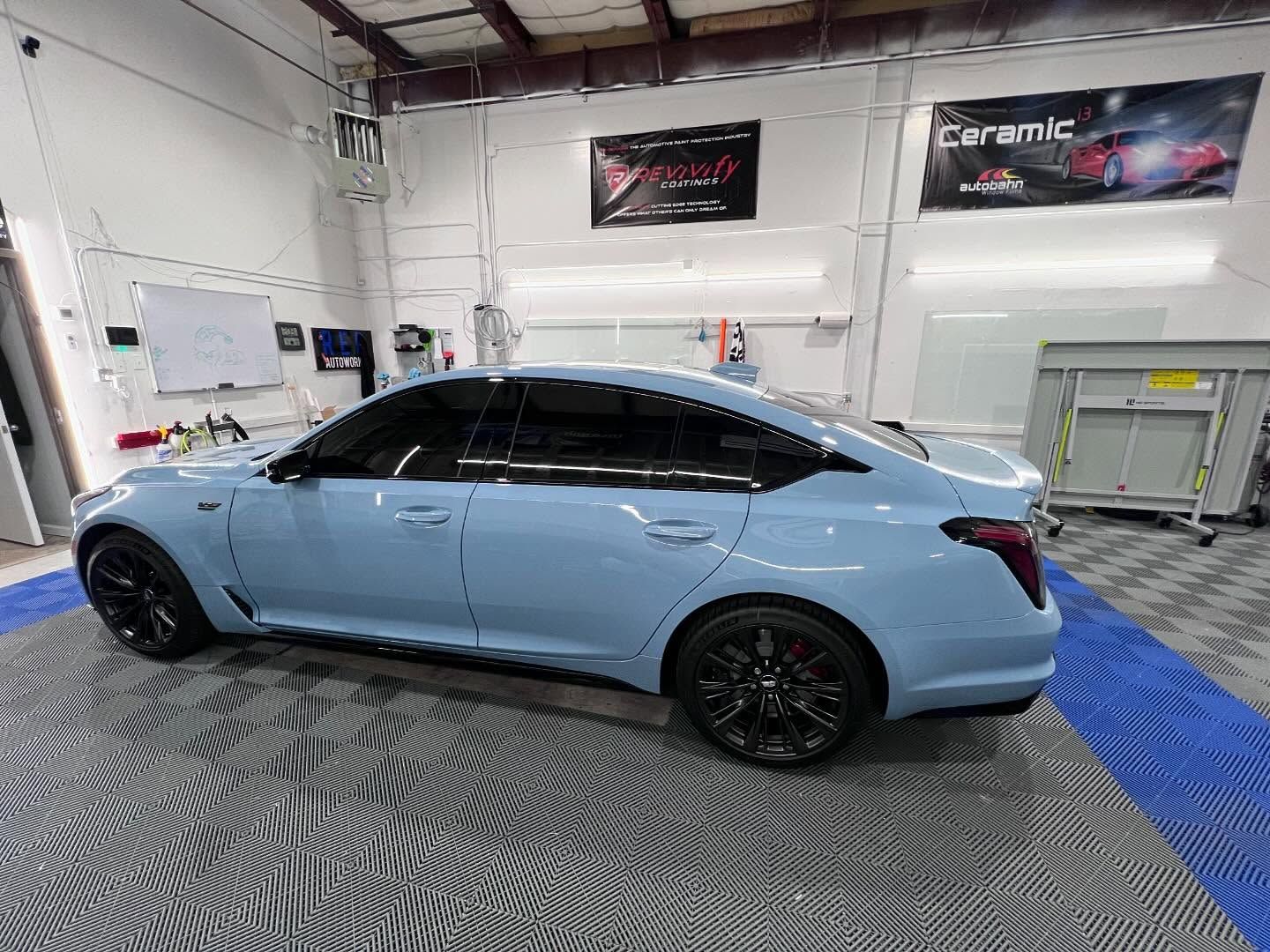
The most immediate benefit of paint correction is the dramatic improvement in your car’s appearance. Removing imperfections reveals the true depth and clarity of the paint, giving your vehicle a like-new finish. Whether you’re preparing for a car show or just want to enjoy driving a pristine vehicle, paint correction delivers remarkable visual results.
Increases Resale Value
A well-maintained exterior can significantly enhance the resale value of your vehicle. Buyers are more likely to be attracted to a car with flawless paint, and paint correction can help you achieve that. By addressing scratches, oxidation, and other defects, you can present your vehicle in its best possible condition when it comes time to sell.
Prepares the Vehicle for Protective Coatings
If you’re planning to apply a protective coating such as ceramic or REVIVIfy, paint correction is a crucial first step. Applying a protective coating over a surface that hasn’t been corrected will only seal in imperfections, making them permanent. Paint correction ensures that your vehicle’s surface is smooth and defect-free, allowing the coating to bond properly and provide optimal protection.
Prolongs the Life of the Paint
By removing defects that can lead to further damage over time, paint correction helps extend the life of your vehicle’s paint. Scratches and swirl marks, if left untreated, can worsen and potentially expose the underlying layers of paint to the elements, leading to rust and corrosion. Paint correction restores the surface, preventing these long-term issues.
Is Paint Correction Right for Your Vehicle?
Paint correction is an excellent choice for anyone looking to enhance and protect their vehicle’s appearance. It’s particularly beneficial for:
Car Enthusiasts
For those who take pride in their vehicle’s appearance, paint correction is a must. It ensures your car remains in pristine condition, free from scratches and blemishes.
Used Car Buyers
If you’ve recently purchased a used vehicle, paint correction can make a dramatic difference in how the car looks and feels. It removes years of wear and tear, leaving the paint looking fresh and new.
Vehicle Owners Preparing for Sale
If you’re preparing to sell your vehicle, paint correction can increase its resale value by presenting it in the best possible condition. A smooth, shiny exterior is more appealing to potential buyers and can make the vehicle stand out in the market.
Get Professional Paint Correction at REP AutoWorks in Centennial, Colorado
If your vehicle’s paint has lost its shine due to scratches, oxidation, or other imperfections, professional paint correction is the solution you need. At REP AutoWorks in Centennial, our expert technicians specialize in restoring the beauty of your vehicle’s paint, ensuring it looks as good as new. Whether you’re preparing for a ceramic coating or just want to revitalize your car’s appearance, our paint correction services can help . Contact us today to learn more about how we can keep your vehicle looking its best for years to come.
The post Everything You Need to Know About Paint Correction for Your Vehicle appeared first on REP AutoWorks.